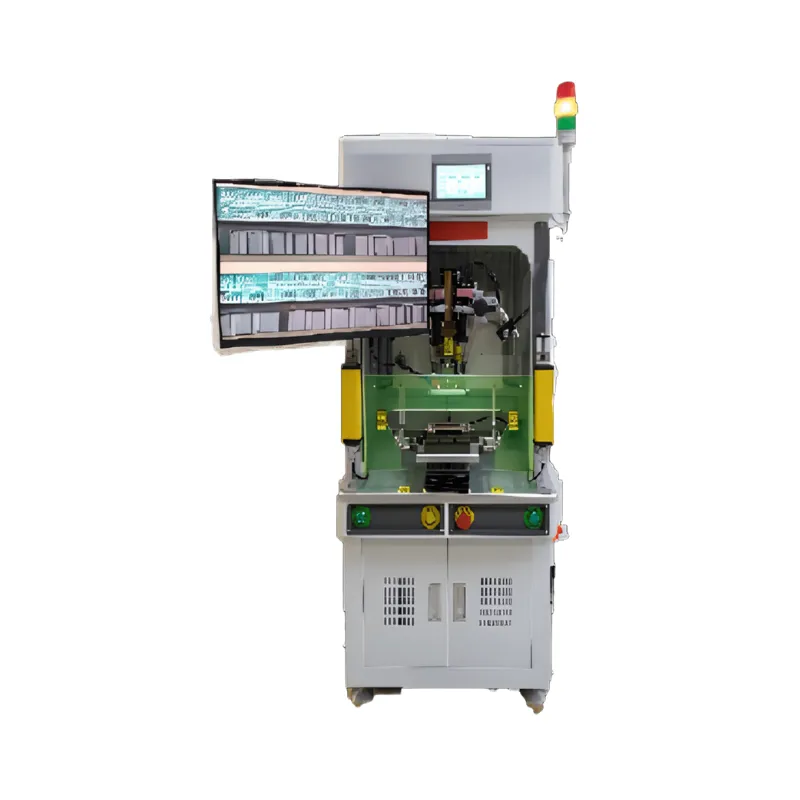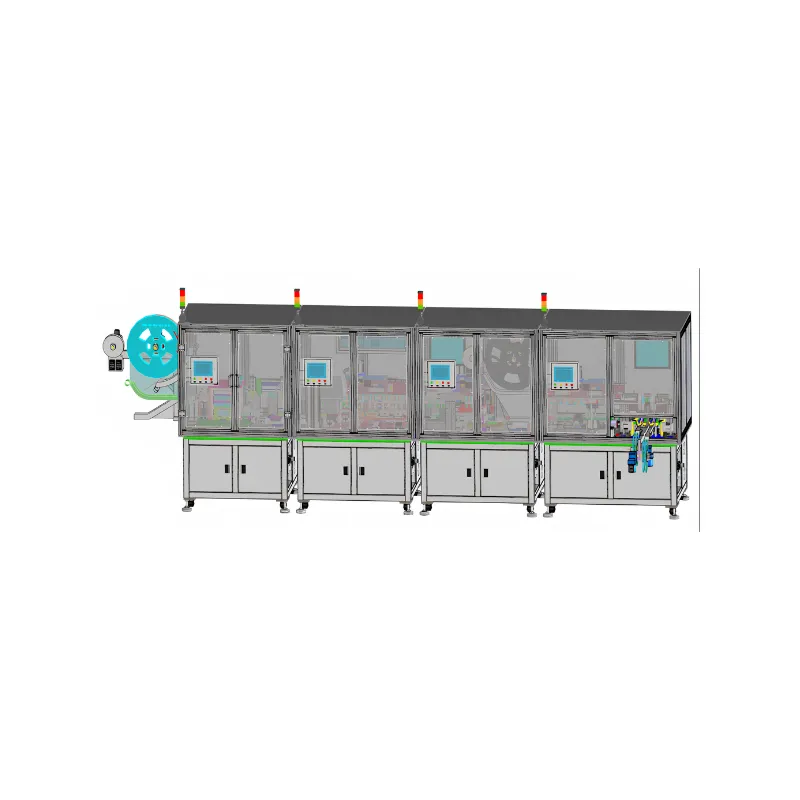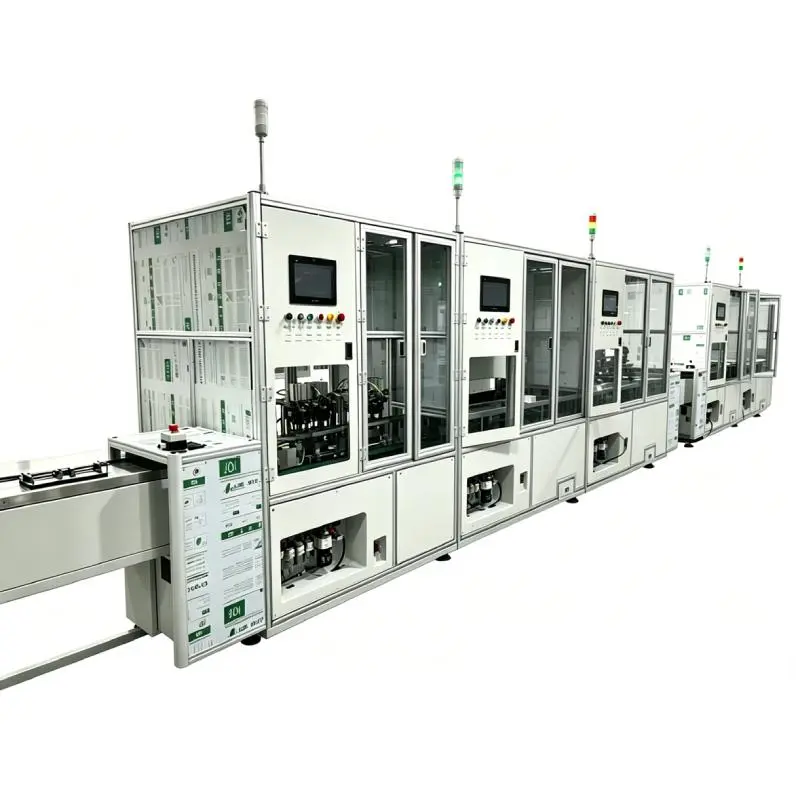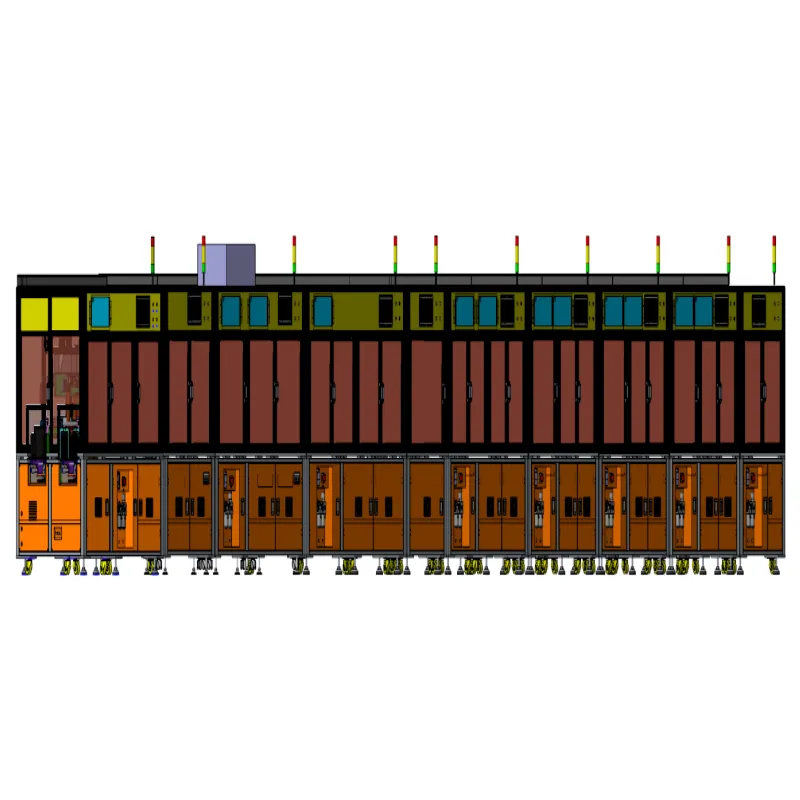
The global electronics industry is witnessing a relentless trend toward miniaturization, high-speed data transmission, and enhanced power delivery. As devices like smartphones, AI servers, and advanced consumer electronics become more sophisticated, the internal components—specifically high-density connectors—require assembly tolerances that often exceed human capabilities. This has positioned Precision Connector Assembly Automation as a critical foundation for modern manufacturing, enabling the high-volume production of connectors with exceptional accuracy and consistency.
The shift toward fully automated systems is driven by the need for increasingly tighter assembly tolerances and higher production efficiency. For manufacturers, automation is no longer solely about reducing labor costs; it is about achieving the quality, repeatability, and process control required for next-generation electronic products. Advanced automation integrates high-speed transport, intelligent vision inspection, precision positioning, and joining technologies into a single production environment.
In this comprehensive guide, we will explore the core application scenarios, the underlying technologies, and the strategic advantages of implementing advanced automation solutions. We will specifically focus on high-demand connector applications such as Type-C interfaces, Board-to-Board (BTB) connectors, Smyra connectors, and precision consumer electronics connectors, highlighting how these systems improve assembly accuracy, production efficiency, and manufacturing consistency.
1. High-Demand Application Scenarios for Precision Assembly
The versatility of Precision Connector Assembly Automation is best demonstrated through its application across diverse and complex connector architectures. Each scenario presents unique manufacturing challenges, from handling miniature components to maintaining the integrity of high-density contacts. Modern automation systems are designed to address these challenges through specialized processes and scalable production platforms.
I. Type-C Connector Multi-Part Integration
The Type-C interface has become a universal standard for modern connectivity, requiring the integration of multiple internal components including IM (Insulation Molding), EMI (Electromagnetic Interference) shells, and midplates. Advanced automation lines support 2-in-1, 3-in-1, and complex multi-part assembly processes that combine welding, assembly, inspection, and packaging within a unified production flow. As connector designs continue to become smaller and more sophisticated, maintaining assembly accuracy across multiple components presents significant manufacturing challenges.
Precision Connector Assembly Automation addresses these requirements through high-speed transport systems, intelligent feeding mechanisms, and automated inspection technologies. Appearance verification, dimensional inspection, and assembly quality checks are performed throughout production to ensure consistency and reliability. By reducing manual intervention and improving process repeatability, manufacturers can achieve stable output while meeting the demanding quality requirements of consumer electronics applications.
II. BTB and High-Density Interconnects
Board-to-Board (BTB) connectors play a critical role in compact electronic products where space optimization and signal integrity are essential. These connectors often feature extremely fine pitches and dense contact arrangements, making precise positioning and assembly increasingly difficult. Even small alignment deviations can affect electrical performance, creating significant challenges for high-volume manufacturing environments.
To ensure assembly quality, automation systems utilize high-precision carrier positioning devices, intelligent handling mechanisms, and advanced vision inspection technologies. High-speed pick-and-place modules, laser-based measurement systems, and automated quality verification help maintain accurate contact alignment throughout production. This combination of precision motion control and intelligent inspection enables manufacturers to improve product consistency while supporting the increasing complexity of next-generation BTB connector designs.
III. Smyra and Precision Connector Assembly
Smyra connectors and other high-density precision connectors are widely used in consumer electronics, communication devices, data center equipment, and advanced computing systems where stable electrical performance and assembly accuracy are critical. These products often feature compact structures, fine-pitch contacts, and multiple precision components that must be assembled within extremely tight tolerances. As connector designs continue to evolve toward higher densities and smaller form factors, maintaining assembly consistency becomes increasingly challenging in manual production environments.
To address these requirements, Precision Connector Assembly Automation integrates advanced positioning systems, intelligent vision guidance, and high-speed handling mechanisms to ensure accurate assembly of contacts, housings, shielding components, and retention features. Automated inspection technologies, including AOI systems and laser measurement modules, continuously verify critical dimensions and alignment characteristics throughout production, helping manufacturers improve process repeatability, product quality, and manufacturing efficiency.
IV. Precision Consumer Electronics Connector Components
Beyond complete connector assemblies, many consumer electronics products require the precise assembly of miniature connector components that directly influence product performance and reliability. These components may include shielding structures, retention clips, grounding elements, connector frames, positioning brackets, and other precision metal parts used within modern connector systems. Due to their compact size and tight tolerance requirements, manual assembly can introduce positioning errors, component deformation, and process variation, making it increasingly difficult to maintain consistent quality across high-volume production.
Precision Connector Assembly Automation addresses these challenges through integrated feeding, positioning, assembly, inspection, and sorting technologies. Intelligent vision systems verify component orientation and dimensional accuracy in real time, while high-speed transfer modules and precision joining mechanisms ensure stable assembly quality. Modular automation platforms also provide the flexibility to support different connector structures and product variants, enabling manufacturers to maintain production efficiency while meeting the rapid development cycles of today's consumer electronics industry.
2. Core Technological Drivers of Modern Automation
The success of a precision assembly line is built upon a foundation of advanced mechanical and digital technologies. These technologies work together to achieve the high speeds and tight tolerances demanded by modern connector manufacturing.
I. High-Speed Transport Systems
Advanced transport systems have transformed how components move through modern assembly lines. Compared with conventional conveyor technologies, high-speed transport platforms offer improved positioning accuracy, faster product transfer, and greater flexibility in process design. Stable transport performance is particularly important for high-density connectors where even minor positioning errors can affect downstream assembly quality.
By enabling shorter cycle times while maintaining precise component alignment, these systems help manufacturers increase throughput without sacrificing assembly consistency. Their flexibility also allows production lines to accommodate multiple connector variants and changing manufacturing requirements.
II. Intelligent Vision and AOI Inspection
Vision technology serves as the foundation of quality control within modern automation systems. Automated Optical Inspection (AOI) solutions use advanced imaging and intelligent software algorithms to verify component presence, orientation, positioning accuracy, and assembly quality. Real-time feedback allows the system to identify potential deviations before they impact finished products.
Intelligent vision-guided manipulators can dynamically adjust movements based on actual component positions, reducing dependence on rigid tooling and increasing manufacturing flexibility. By combining machine vision with automated decision-making, manufacturers can improve inspection coverage, reduce defects, and maintain consistent product quality.
III. High-Precision Positioning and Handling
To achieve micron-level assembly accuracy, production lines employ advanced positioning mechanisms, high-speed pick-and-place systems, and precision handling modules. These technologies are designed to support the increasingly complex structures found in modern connectors while maintaining stable production performance.
Servo-driven motion platforms, precision mechanical assemblies, and laser-based measurement technologies work together to ensure repeatable positioning accuracy throughout high-volume production. Automated correction mechanisms further enhance process stability, helping manufacturers maintain consistent assembly quality across different connector designs and production batches.
3. Mijoint: Setting the Standard in Interconnect Automation
Mijoint Intelligent Technology (Guangdong) Co., Ltd., founded in 2018 in the innovation hub of Dongguan's Songshan Lake, specializes in customized automation solutions for connectors, high-speed cable assemblies, and intelligent inspection systems. The company focuses on helping manufacturers improve efficiency, precision, and scalability through advanced automation technologies.
Leading R&D Technology
Mijoint maintains a strong engineering team with expertise in precision assembly, machine vision, laser processing, motion control, and intelligent manufacturing technologies. Continuous innovation enables the company to develop solutions for increasingly complex connector assembly applications while supporting evolving industry requirements.
Lean Project Management
The company implements comprehensive project management systems covering R&D, manufacturing, quality control, supply chain management, and after-sales support. These processes help ensure reliable project execution, product traceability, and long-term operational stability throughout the equipment lifecycle.
Localized Rapid Service
Mijoint operates a global service network with locations in Malaysia, Vietnam, Thailand, and Mexico, enabling customers to access technical assistance, training, commissioning support, and maintenance services in major manufacturing regions. This localized support structure helps customers minimize downtime and maintain production efficiency.
Scalable and Efficient Delivery
With advanced manufacturing resources and standardized project execution processes, Mijoint can support both large-scale deployment projects and customized automation development programs based on customer production requirements. The company's engineering and manufacturing capabilities allow it to deliver flexible solutions for a wide range of connector assembly applications.
4. Conclusion
The transition to automated assembly has become an essential step for manufacturers operating in the precision connector industry. From the complex multi-part structures of Type-C connectors to the demanding assembly requirements of BTB and Smyra connectors, Precision Connector Assembly Automation provides the accuracy, consistency, and production efficiency needed to remain competitive in global markets.
By integrating intelligent vision systems, high-precision positioning technologies, advanced transport platforms, and automated inspection capabilities, manufacturers can improve assembly quality, reduce process variation, and support scalable production growth. As connector designs continue to evolve toward higher density, smaller form factors, and faster transmission speeds, automation will play an increasingly important role in ensuring manufacturing consistency and product reliability.
Send connector drawings, sample parts, tolerance requirements, and target cycle time for automation feasibility evaluation. Our engineering team will recommend the most suitable Precision Connector Assembly Automation solution based on your production requirements.