
Fully Automatic Series
Automated Assembly Equipment
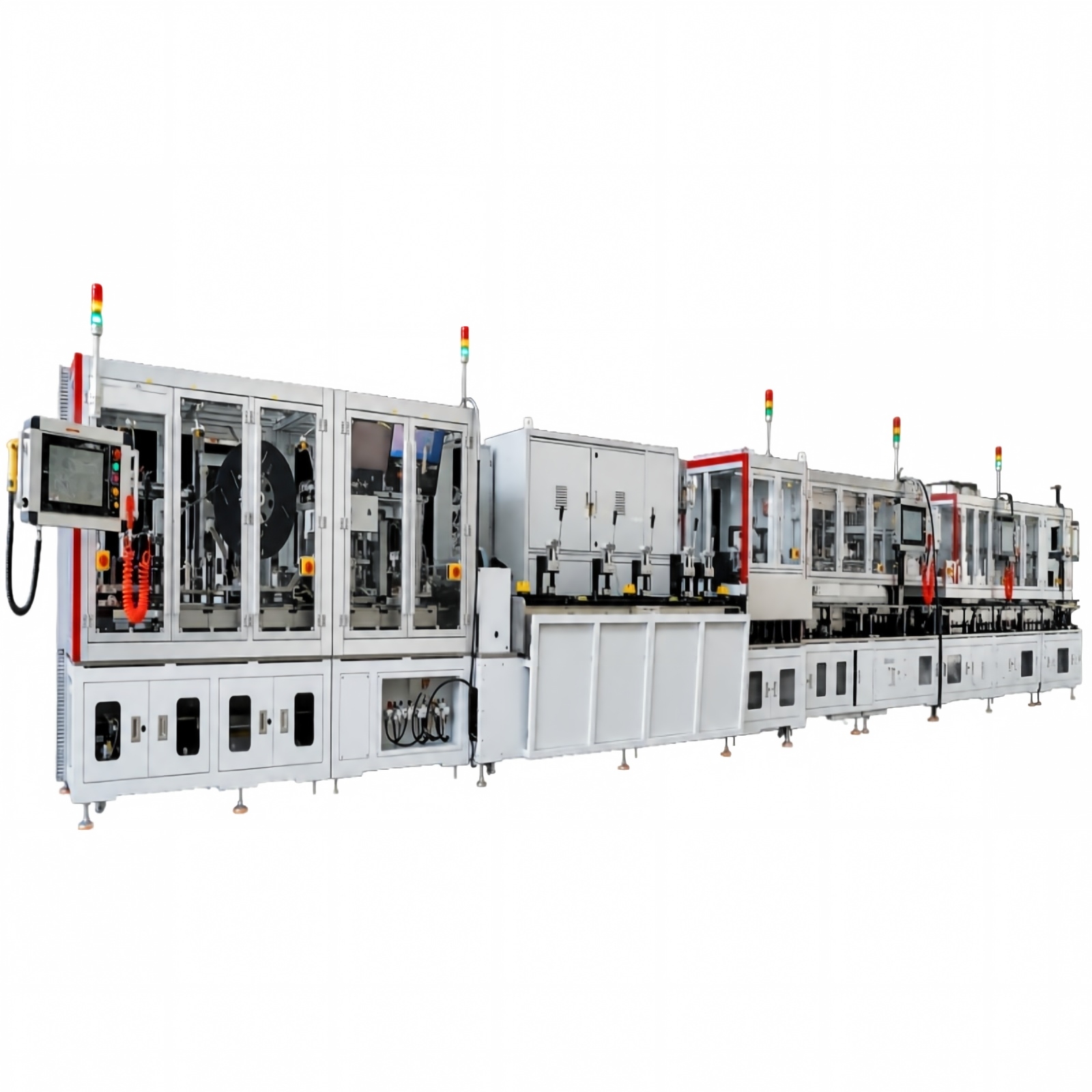
Fully Automatic Impel Backplane Connector Assembly & Inspection Line
Integrating critical processes including Wafer assembly, wire preparing, resistance welding, shielding plate assembly, and high-pressure molding, this backplane connector assembly line is specifically engineered to meet high-speed interconnect assembly requirements in AI servers, data centers, and related industries.
Acting as an advanced high speed wire harness machine solution, this system fulfills the global demand for the large-scale, intelligent mass production of high-performance communication connectors.
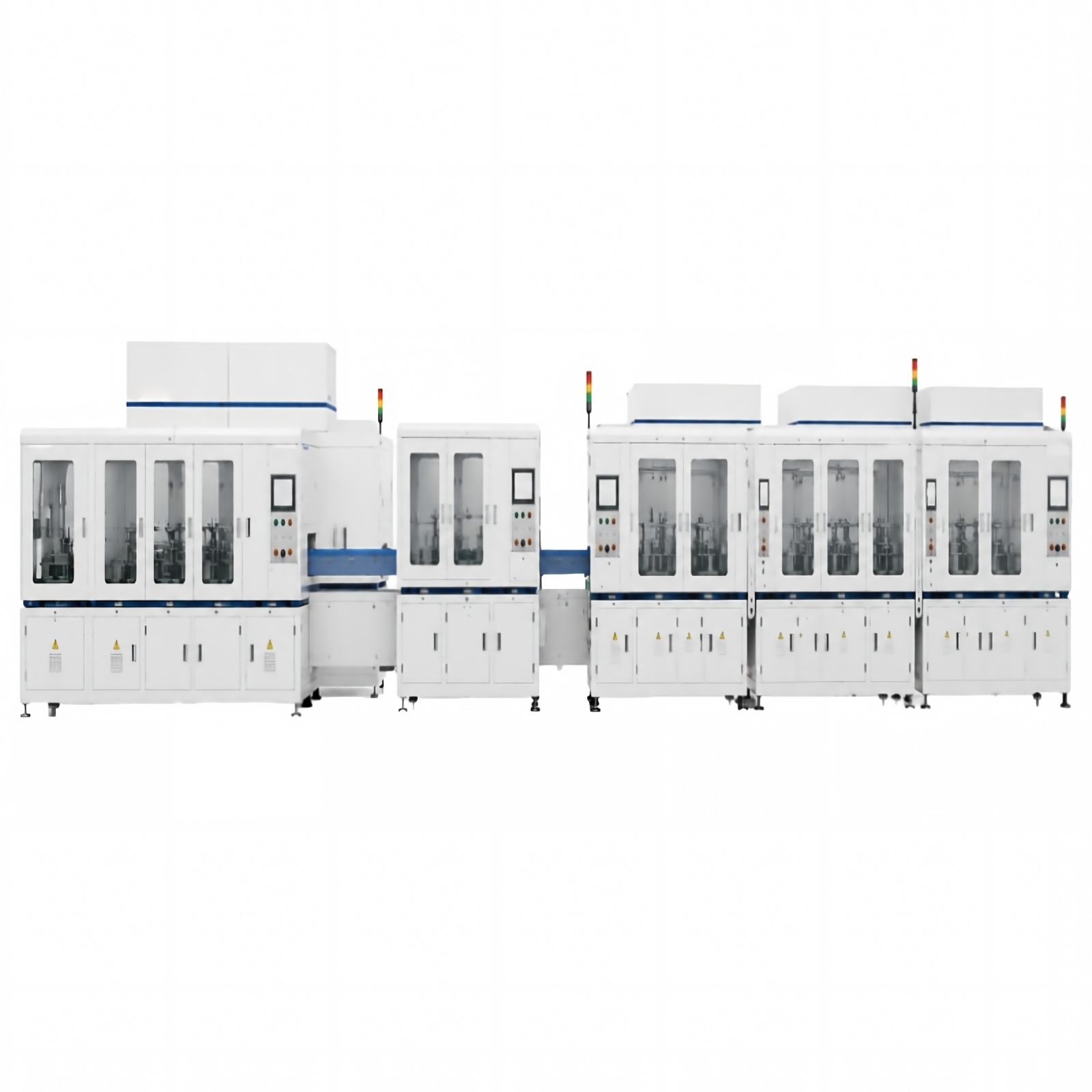
Fully Automatic ExaMAX2 High-Speed Backplane Connector Assembly Line with Inspection System
Integrating a cam-driven pin insertion system and a high-precision connector inspection system, this automatic backplane connector assembly line is specifically engineered for automatic connector assembly in the field of communications. The high-speed cam-driven pin insertion technology enables high-accuracy assembly, significantly shortening cycle times while reducing labor costs.
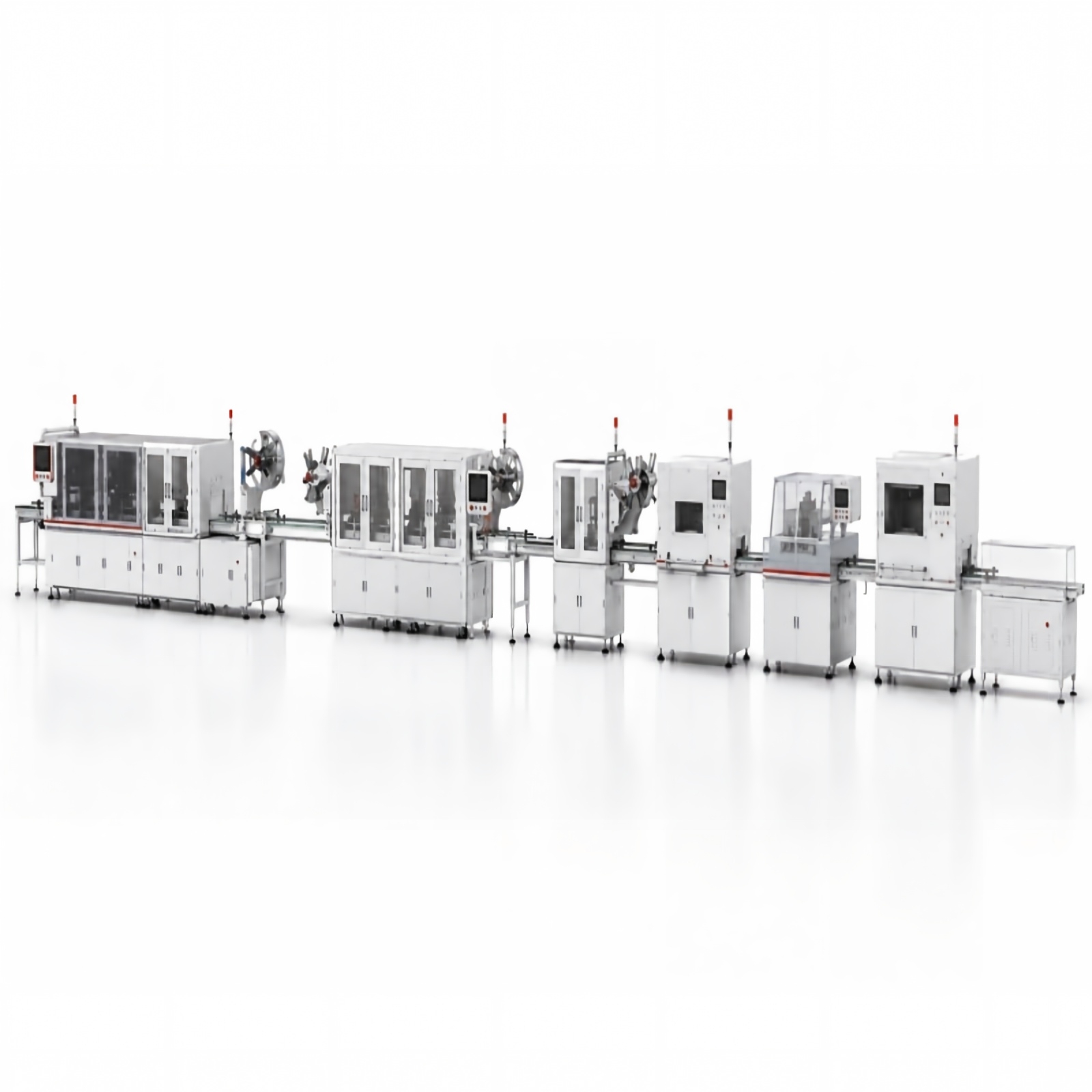
Fully Automatic SAS Connector Assembly Line with Inspection & Packaging
The line can realize F/N assembly, and the cutting, pin insertion, and bending for 15-pin, 6-pin, 2+3-pin, 7-pin, and 35-pin terminals. Besides, it employs automated vision inspection system to verify product dimensions, and automatically sorts out the NG (No Good) products. After assembling good products with CAP, it completes the process on an integrated connector packaging line via tape & reel. It achieves fully automatic assembly and flexible production with one-click changeover.
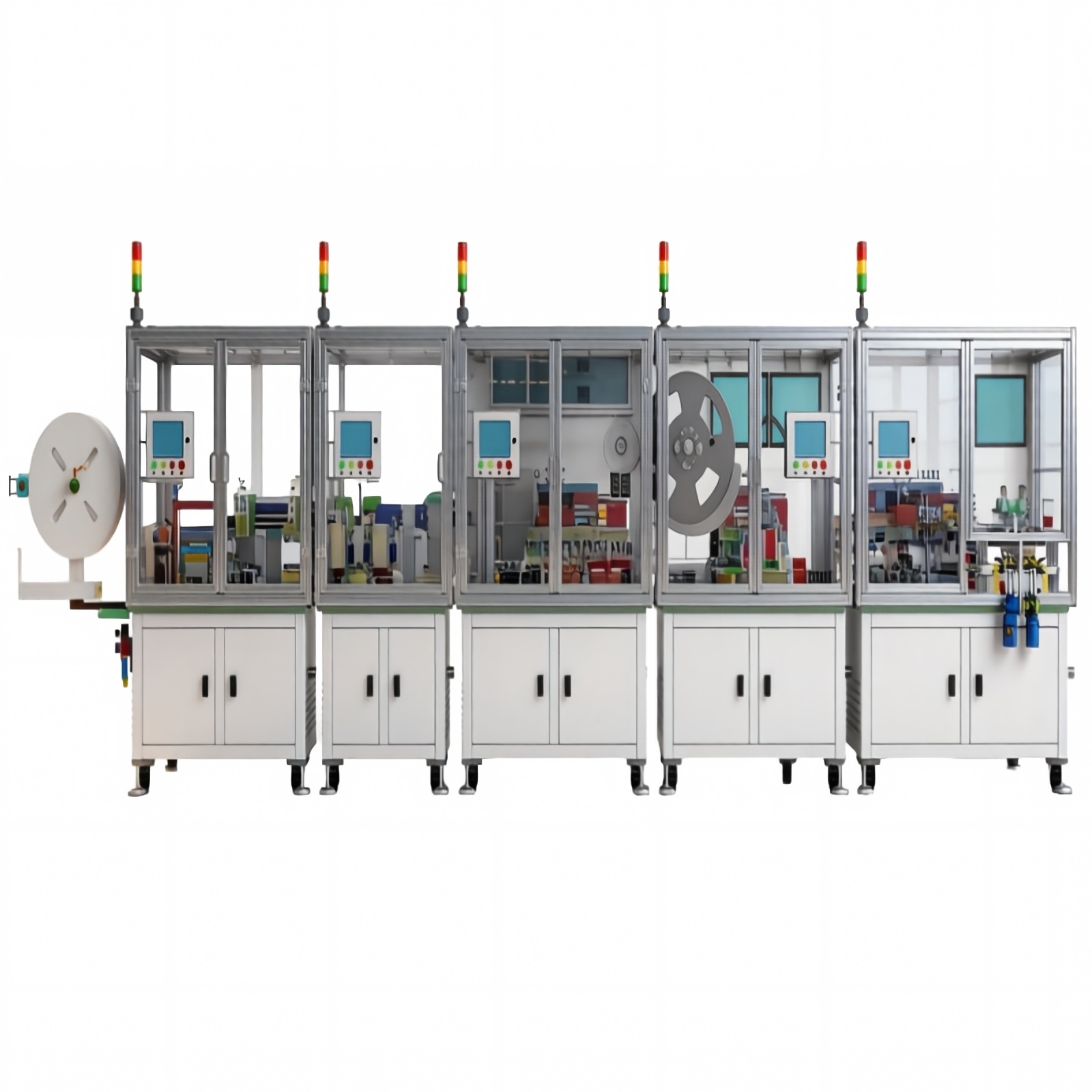
Fully Automatic B901 Flexible Interposer Assembly Line with Inspection & Packaging
This interposer assmbly line's mold can form and cut products. Its LLCR station measures the on-resistance of the four terminals on the product. It also features an iron shell assembly station and a CCD vision inspection station using a CCD industrial camera to photograph and inspect terminal alignment.
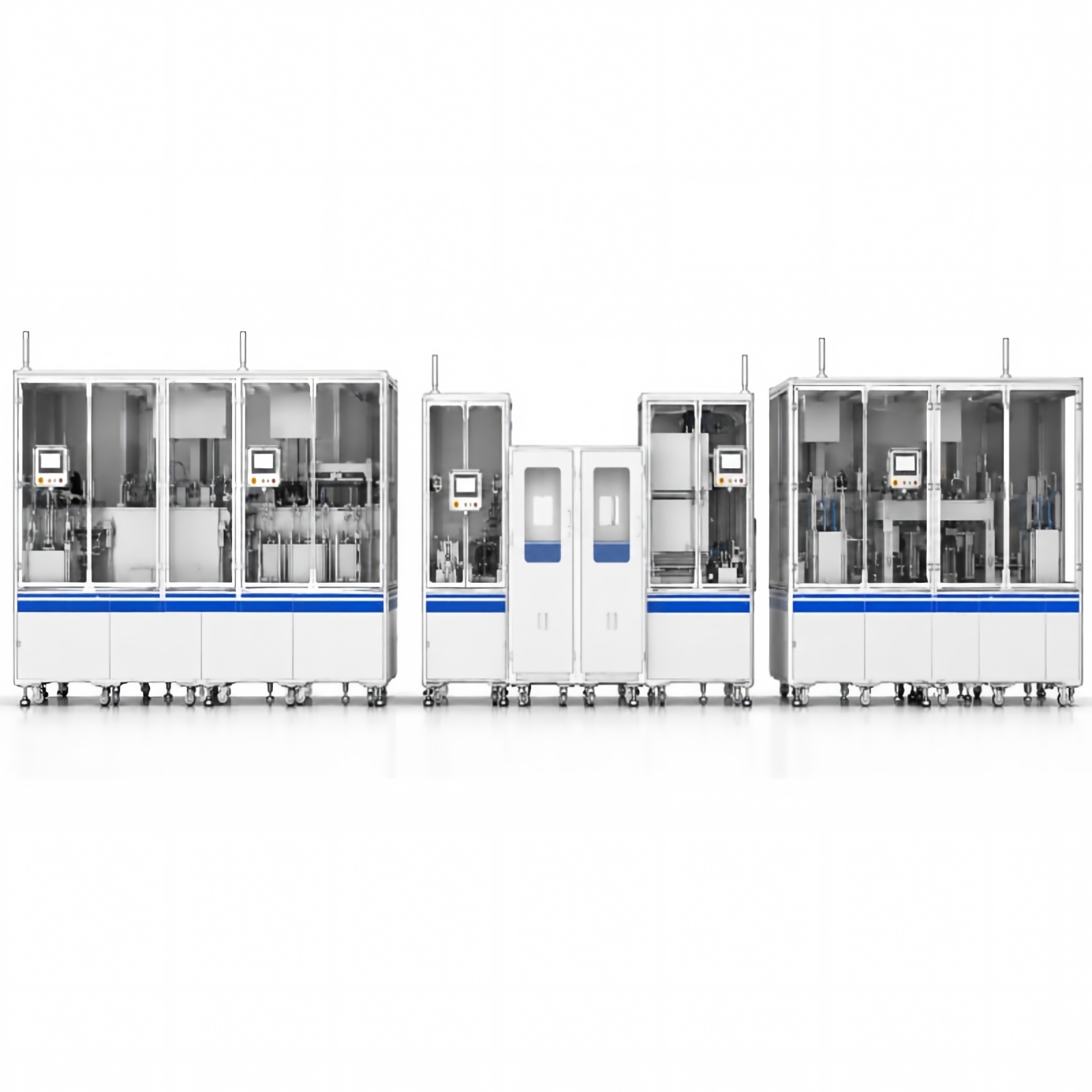
Fully Automatic PoP Connector Plating Automation Line (Pre/Post-Processing)
Specifically engineered for high-end consumer electronics connectors, this fully integrated connector plating line covers critical pre and post-processing stages, including rack loading, masking, glue removal, and unloading. It delivers full-process automated operation, significantly boosting productivity and product consistency while fulfilling the rigorous mass-production requirements for high-end PoP connector plating.
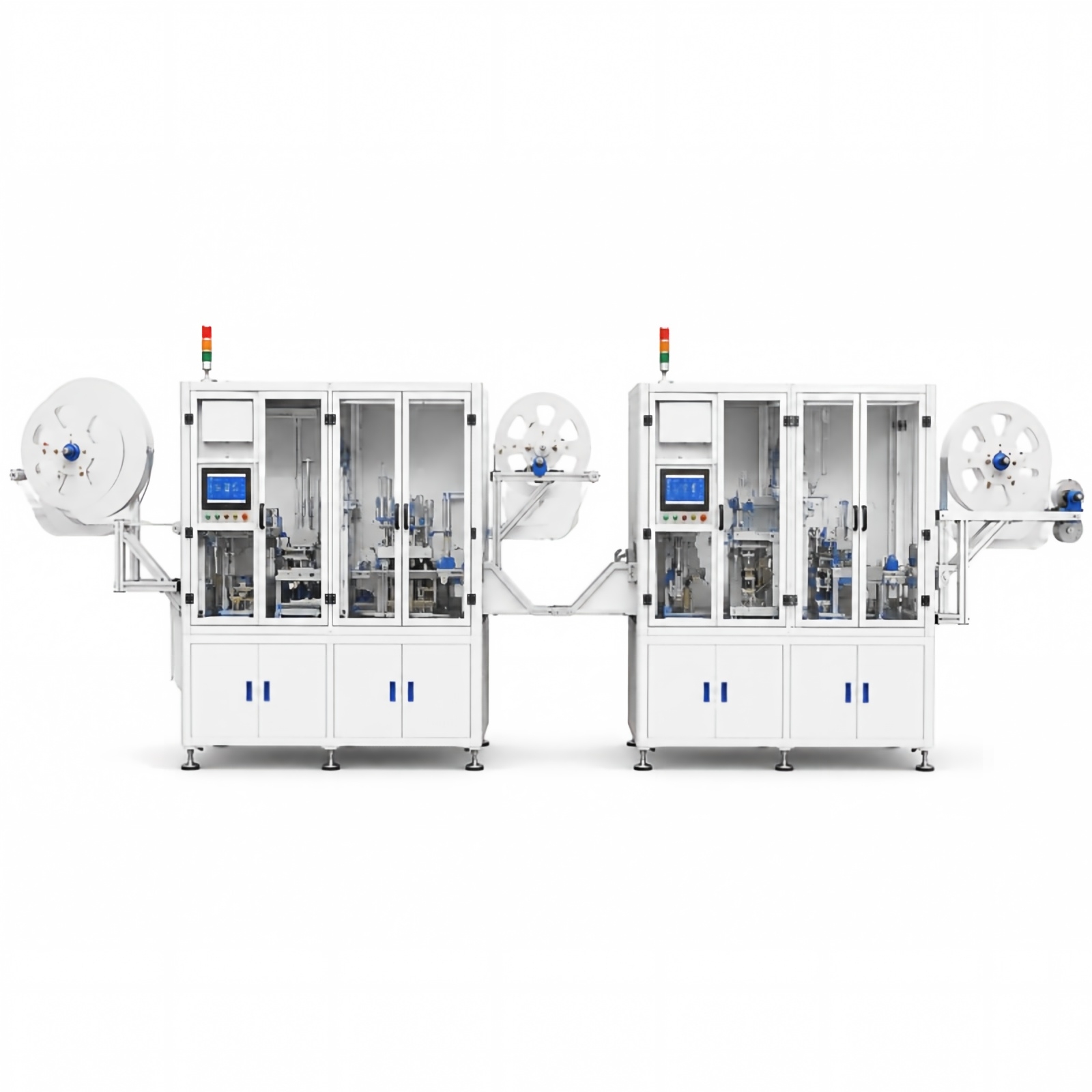
Fully Automatic J271 Connector Assembly, Welding & Packaging Line
Designed to replace complex manual processes and eliminate quality fluctuations, this connector assembly line provides a fully automated solution for J271 assembly. It automates the assembly of the center iron plate with IM1 & IM2, ensuring seamless integration (workflow: automatic loading of the center iron plate → unloading of the small iron piece → automatic assembly of IM2 → automatic assembly of small iron piece → automatic assembly of IM1 → feeding the carrier tape of finished products into the EMI welding machine). As a high-performance automated welding machine, it also automates the assembly and spot welding of EMI (workflow: receiving the finished products from automatic 3-in-1 assembly machine → upper EMI cutting & positioning & assembly → upper EMI spot welding → lower EMI cutting & positioning & assembly → lower EMI spot welding → AOI → defective products discharge → reeling the carrier tape of finished products in).
