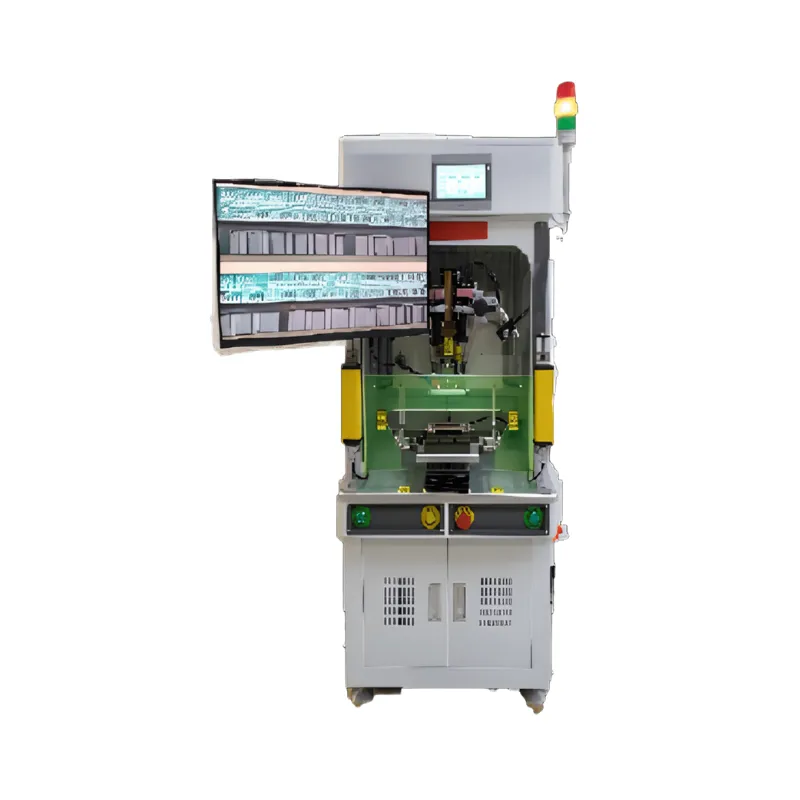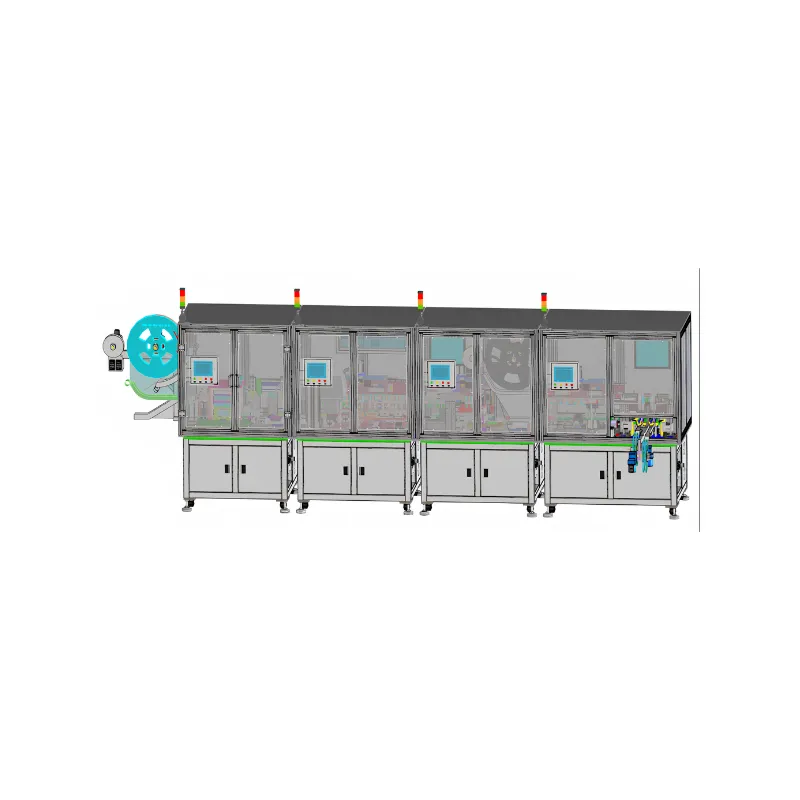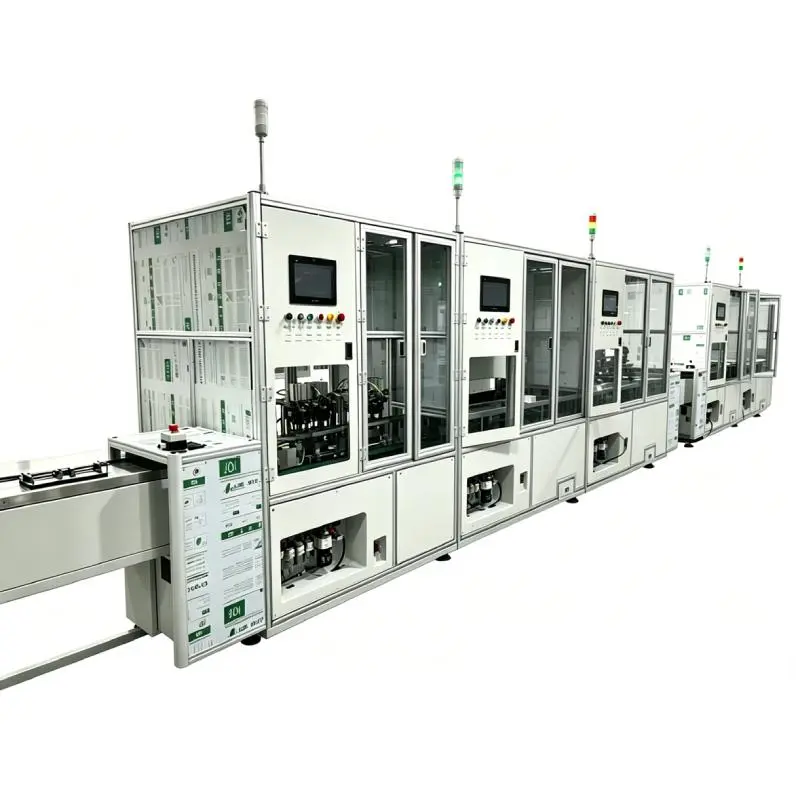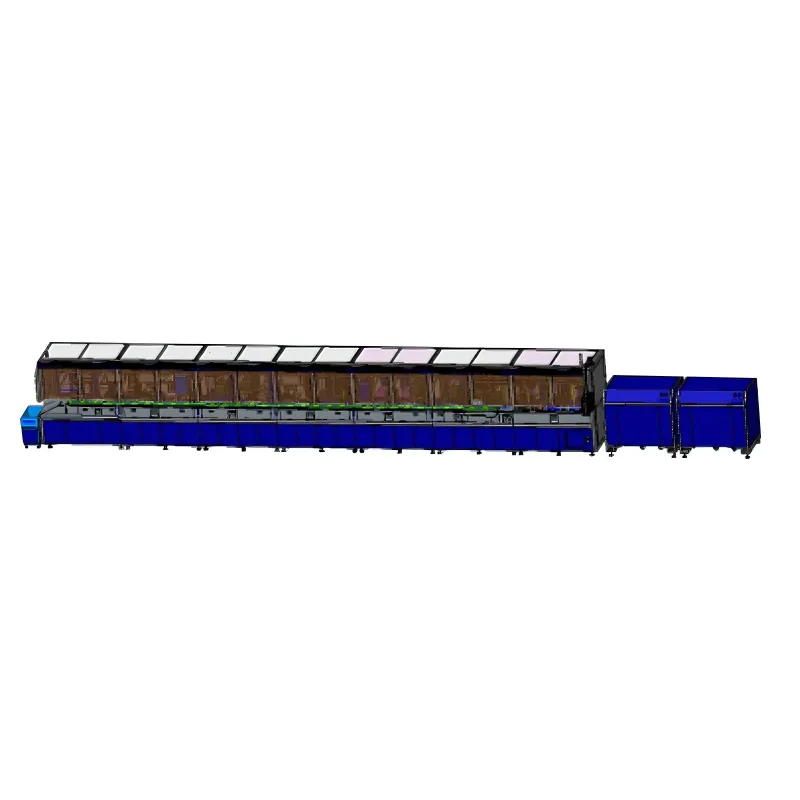
As the automotive industry undergoes a paradigm shift toward electric vehicles (EVs) and autonomous driving, the complexity of on-board communication systems has grown exponentially. FAKRA (Fachkreis Automobil) connectors have emerged as the standard for high-frequency coaxial applications, supporting everything from GPS and cellular connectivity to Advanced Driver Assistance Systems (ADAS). To handle the precision required for these safety-critical components, manufacturers are increasingly turning to advanced Fakra Wire Harness Assembly and Inspection Equipment to ensure reliability, scalability, and consistent production quality.
Transitioning from manual or semi-automated processes to a fully integrated production line is no longer just an efficiency play; it is a necessity for meeting the stringent quality standards of global automakers. Manual assembly of coaxial cables is fraught with risks, such as inconsistent crimping, damage to the delicate internal shielding, or improper seating of secondary locks. Automated systems mitigate these risks by providing a controlled environment where every variable—from laser stripping depth to terminal insertion force—is monitored in real time.
This guide provides an in-depth analysis of how high-performance Fakra Wire Harness Assembly and Inspection Equipment functions within the modern factory ecosystem. We will explore the technical specifications, the intricate assembly workflow, the role of intelligent vision systems, and the strategic advantages of partnering with an automation leader like Mijoint to implement these solutions on a global scale.
1. Defining the Scope and Functionality of Fakra Wire Harness Assembly and Inspection Equipment
At its core, Fakra Wire Harness Assembly and Inspection Equipment is a highly specialized industrial automation system engineered to transform raw coaxial cables and connector components into a finished, tested harness unit. Unlike general-purpose wire processing machines, this equipment is tailored specifically for the unique geometry and high-frequency requirements of FAKRA connectors. The system handles the entire lifecycle of the assembly, starting from the initial winding and feeding of the cable through to the final automated optical inspection (AOI).
The level of automation achieved by such a line is comprehensive. It involves a sophisticated sequence of mechanical and electronic operations, including twisting off cable sheaths, stripping wires with laser precision, and crimping both ferrules and double-ended terminals. By integrating these disparate steps into a single, continuous flow, the equipment minimizes material handling and reduces the risk of contamination or physical damage to the cable’s delicate internal conductors.
Furthermore, the equipment is designed to manage the "secondary lock" mechanism, a critical feature of FAKRA connectors that ensures the housing and terminal are securely mated. Automated assembly ensures that these locks are engaged with the exact force required, providing a level of consistency that manual labor simply cannot replicate. This makes the Fakra Wire Harness Assembly and Inspection Equipment a cornerstone of quality control for manufacturers specializing in automotive interconnect systems.
2. Core Performance Specifications and Technical Parameters
The performance of Fakra Wire Harness Assembly and Inspection Equipment is measured by its ability to maintain high speeds without compromising the extreme precision required for high-frequency signal integrity. High-end systems typically feature a cycle time (CT) of less than 6 seconds per unit, allowing for high-volume production. This speed is coupled with an overall equipment efficiency (OEE) of greater than 90%, helping manufacturers maintain stable productivity throughout operation.
From a technical perspective, these machines are built to withstand the rigors of continuous industrial operation. They generally operate on a rated voltage of AC220V (50Hz) and require a stable air supply pressure of 0.5–0.7 MPa to drive their pneumatic components. The physical footprint of a full production line can be substantial, often around 17 meters in length, reflecting the complexity of the multiple stations required for cable preparation, terminal crimping, assembly, and final inspection.
Standardization is a key design philosophy for these systems. Manufacturers like Mijoint allow customer-specified brands for standard components, such as sensors or PLC controllers, to help ensure seamless integration with existing spare parts inventories and maintenance protocols. With a rated power of approximately 22 kW, the equipment provides the force necessary for robust assembly while maintaining the precision required for signal-sensitive components.
3. The Integrated Step-by-Step Automated Assembly Workflow
The assembly process within the Fakra Wire Harness Assembly and Inspection Equipment begins with raw material preparation. This includes winding, binding, and loading the coaxial wire into the system. The first critical technical step is the preparation of the cable ends, which involves twisting off the sheath and stripping the wire to precise dimensions. For high-performance cables, laser cutting is often employed to strip the aluminum foil and dielectric layers, as this method minimizes the risk of damage that mechanical blades might cause.
Once the cable is prepared, the equipment proceeds to the inner conductor processing stage. This includes crimping the double-ended terminal and preparing the braided sleeve. A specialized station is dedicated to turning the braided sleeve inside out and wrapping copper foil, which is essential for maintaining the electromagnetic shielding (EMI) performance of the final assembly. The line then moves to outer conductor assembly, followed by laser spot welding, which creates a permanent and highly conductive connection.
The final stages of the workflow involve mechanical housing assembly. The system automatically loads the FAKRA housing and secondary locks, ensuring that the terminal is correctly positioned within the connector body. Throughout this entire sequence, the Fakra Wire Harness Assembly and Inspection Equipment utilizes a runner-type material transfer system to move components between stations with high precision, ensuring that each part remains accurately positioned for subsequent operations.
4. Advanced Inspection, AIDI Deep Learning, and Quality Assurance
Quality assurance is one of the most important aspects of automotive connector production, and the inspection capabilities of Fakra Wire Harness Assembly and Inspection Equipment extend far beyond basic visual checks. The system integrates Automated Optical Inspection (AOI) to verify component presence, orientation, and assembly quality. Advanced systems may also utilize AIDI deep learning technology, enabling 360-degree detection of braided sleeve filaments and helping identify subtle defects that could affect signal performance.
Beyond vision-based inspection, the equipment continuously monitors mechanical assembly quality through sensor-based feedback systems. For example, crimping force monitoring helps verify that each terminal is assembled within predefined process parameters, while displacement sensors provide assembly compensation based on variations in incoming materials.
This intelligent closed-loop quality control system helps manufacturers maintain stable production quality and identify potential defects before products leave the production line. By combining AOI, AIDI, and sensor monitoring technologies, Fakra Wire Harness Assembly and Inspection Equipment provides a comprehensive quality assurance solution for automotive wire harness production.
5. Global Data Traceability and Lifecycle Monitoring
In the automotive sector, traceability is a critical requirement for quality management and regulatory compliance. Modern Fakra Wire Harness Assembly and Inspection Equipment can establish a complete production record for every harness assembled. This includes capturing key manufacturing parameters such as laser welding settings, crimping force data, inspection results, and process timestamps.
Full-process data collection allows manufacturers to trace products back to specific material batches and production conditions. If a quality issue is identified in the field, manufacturers can efficiently review production records and determine the scope of any corrective actions required.
The collected production data also supports predictive maintenance initiatives. By analyzing trends in assembly force, cycle time, or equipment performance, manufacturers can identify potential maintenance requirements before equipment failures occur. This proactive approach helps improve production stability and maximize equipment utilization.
6. Partnering with Mijoint for Intelligent Automation Solutions
Mijoint Intelligent Technology (Guangdong) Co., Ltd. is a global provider of customized automation solutions for cable assembly, connector assembly, and wire harness manufacturing. Founded in 2018 and headquartered in the innovation hub of Songshan Lake, Mijoint has continuously refined the technology behind Fakra Wire Harness Assembly and Inspection Equipment to support the growing demands of automotive connectivity and intelligent manufacturing. The company’s mission is to enable efficient, scalable, and high-precision production through advanced automation technologies.
One of Mijoint's core strengths is its "Six Control Systems," which manage the entire project lifecycle from R&D and manufacturing to quality management and after-sales support. This structured framework helps ensure that every Fakra Wire Harness Assembly and Inspection Equipment solution is delivered according to customer requirements for performance, reliability, and long-term operational stability. With extensive experience in laser processing, intelligent inspection, and flexible automation platforms, Mijoint continues to support manufacturers pursuing higher production efficiency and product quality.
Furthermore, Mijoint provides localized technical support through its global service network, including locations in Malaysia, Vietnam, Thailand, and Mexico. This enables customers to access timely technical assistance, commissioning support, operator training, and maintenance services across major manufacturing regions. For manufacturers seeking to enhance their automotive wire harness production capabilities, Mijoint offers end-to-end engineering support, from feasibility evaluation and process development to equipment deployment and production ramp-up.
7. Strategic Business Advantages: ROI and Manufacturing Stability
The implementation of Fakra Wire Harness Assembly and Inspection Equipment offers a significant improvement in manufacturing stability. Because the machine operates without the variability associated with manual processes, it can maintain more consistent production quality and output over extended periods. This stability helps manufacturers meet demanding delivery schedules and quality expectations within the automotive supply chain.
From an economic perspective, the equipment can reduce unit production costs by minimizing direct labor requirements and lowering quality-related expenses. A single operator can often supervise multiple production stations, improving labor utilization and overall productivity. Over time, gains in efficiency and reductions in scrap or rework contribute to a favorable return on investment.
Finally, the flexibility of the Fakra Wire Harness Assembly and Inspection Equipment helps protect the long-term value of the investment. The line can support multiple product configurations, including different cable lengths and connector variants, enabling manufacturers to respond efficiently to changing customer requirements without significant equipment modifications.
Conclusion
The evolution of automotive connectivity requires a corresponding evolution in manufacturing technology. High-speed, high-precision Fakra Wire Harness Assembly and Inspection Equipment is an essential solution for manufacturers seeking to support the growing demands of smart vehicles, connected mobility, and advanced driver assistance systems. By integrating advanced assembly workflows, intelligent inspection technologies, and full-process data traceability, these systems provide the quality control and production efficiency required by modern automotive manufacturing.
Are you looking to improve the efficiency, consistency, and traceability of your FAKRA wire harness production? Send your product drawings, cable specifications, connector requirements, expected cycle time, and annual production volume for a feasibility evaluation. Our engineering team will recommend the most suitable Fakra Wire Harness Assembly and Inspection Equipment solution based on your manufacturing requirements.