Introduction
Modern manufacturing is evolving rapidly as industries face increasing pressure to produce more product variants with shorter delivery cycles and higher quality expectations. Traditional production systems designed for fixed and repetitive tasks are no longer sufficient for manufacturers that need to handle frequent product changes, varying batch sizes, and increasingly complex assembly requirements.
This shift has created strong demand for the flexible automated assembly machine, an advanced manufacturing solution capable of adapting to different products, processes, and production scales. Unlike conventional automation equipment, flexible systems are designed with modularity, intelligent control, and rapid changeover capability, allowing manufacturers to maintain efficiency while responding quickly to market demands.
Industries such as consumer electronics, automotive components, connectors, medical devices, and industrial equipment are increasingly relying on flexible automation to improve productivity and reduce operational costs. However, selecting the right system requires careful evaluation of production requirements, machine capabilities, scalability, and long-term operational value.
Understand Your Production Flexibility Requirements
Before selecting a flexible automated assembly machine, manufacturers should first evaluate their actual production environment and long-term manufacturing goals. Different industries have very different assembly characteristics, and these directly affect machine structure, software configuration, and process integration requirements.
For example, manufacturers producing high-mix and low-volume products often prioritize rapid changeover capability and flexible tooling systems. In contrast, large-scale manufacturers may focus more on cycle time stability, continuous operation capability, and production scalability. Product complexity is another key factor. Connector products, miniature electronic components, and precision assemblies require highly accurate positioning and stable process control.
Companies should also consider future expansion plans. A flexible automated assembly machine should not only support current products but also adapt to future design updates and new manufacturing processes. Choosing equipment with scalable architecture can help manufacturers avoid repeated investment and improve long-term operational flexibility.
Evaluate Modular Design and System Scalability
One of the most important characteristics of a high-quality flexible automated assembly machine is modular system design. Modular architecture allows manufacturers to configure, expand, and modify production systems according to changing production requirements without replacing the entire assembly line.
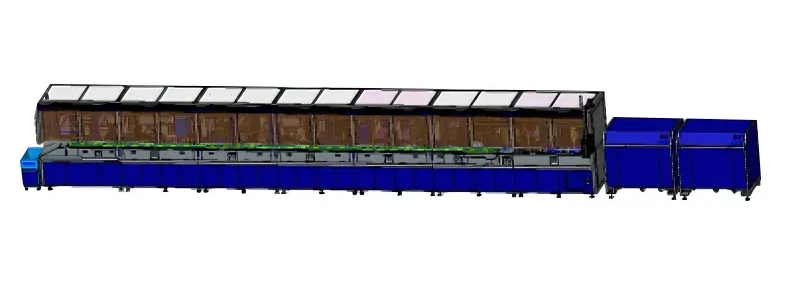
A modular automation platform usually consists of independent functional units such as feeding modules, robotic handling systems, insertion stations, inspection units, soldering stations, and packaging modules. These units can be upgraded or rearranged depending on product requirements. This flexibility is especially valuable for manufacturers managing multiple product categories or frequent engineering changes.
Scalability is equally important. As production demand grows, manufacturers may need additional inspection stations, robotic modules, or intelligent logistics integration. A scalable flexible automated assembly machine allows manufacturers to expand production capability gradually while protecting their original investment. This approach reduces upgrade costs and improves long-term manufacturing efficiency.
Focus on Intelligent Automation and Process Control
Modern flexible automated assembly machine systems rely heavily on intelligent automation technologies to maintain stable production quality and operational efficiency. Servo-driven motion systems are commonly used for accurate positioning, insertion, and precision assembly operations. These systems provide high repeatability and support rapid adjustment for different product specifications.
Robotic automation also plays a major role in flexible manufacturing. Multi-axis robotic systems can perform component handling, precision alignment, assembly, and material transfer tasks more efficiently than traditional fixed automation equipment. Intelligent software systems further improve flexibility through recipe management, automatic parameter switching, and real-time production monitoring.
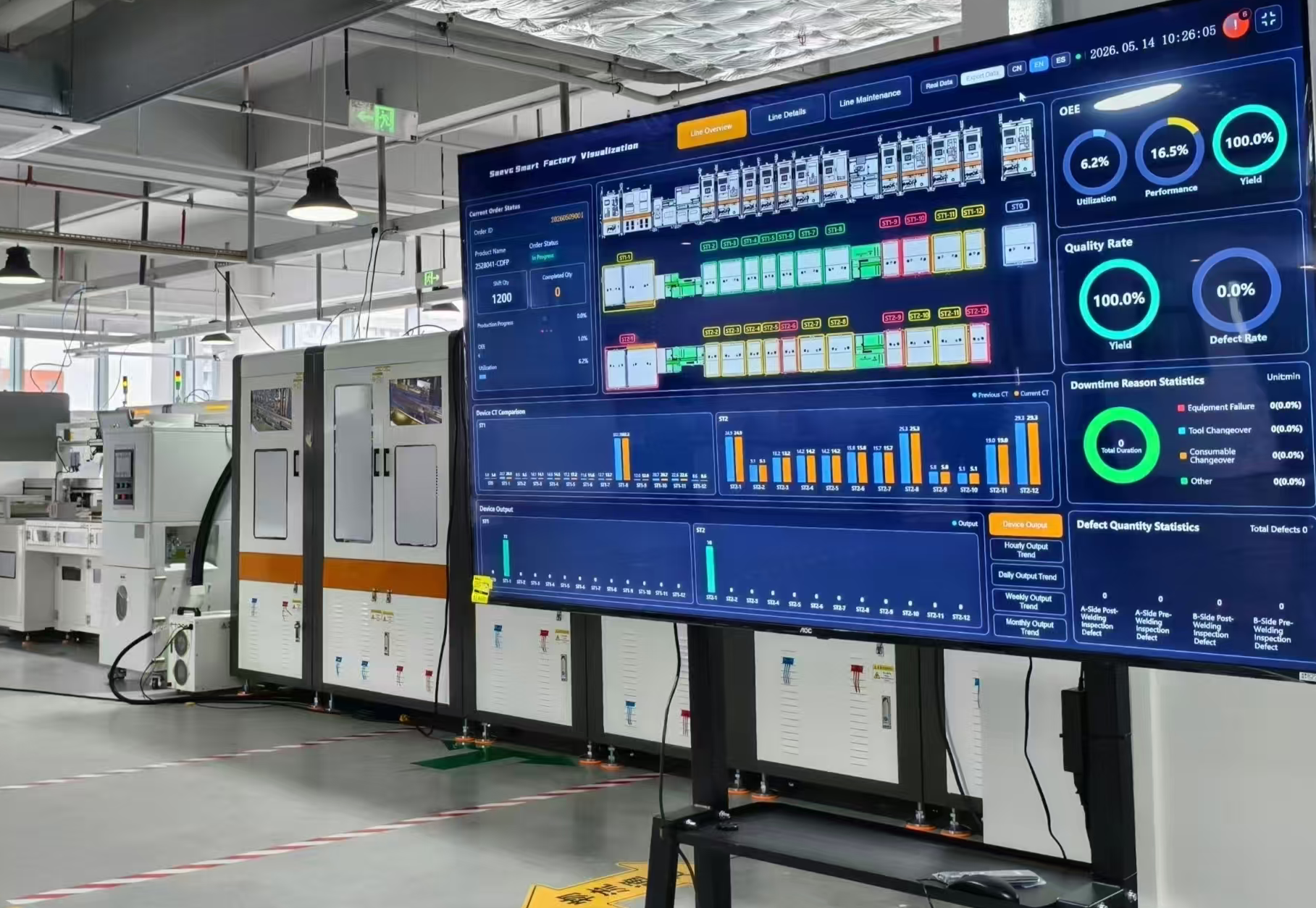
In addition, many advanced systems now support MES integration, production traceability, predictive maintenance, and remote diagnostics. These functions allow manufacturers to collect production data, optimize processes, reduce downtime, and improve factory management efficiency. Intelligent automation capability has become one of the most important factors when evaluating a flexible automated assembly machine for future-ready manufacturing environments.
Prioritize Quality Control and Inspection Integration
Production flexibility should never compromise product quality. For this reason, integrated inspection and quality control functions are essential in any flexible automated assembly machine. Modern manufacturing environments require real-time defect detection and stable process monitoring to ensure consistent product reliability.
Vision inspection technologies such as CCD and AOI systems are widely used to detect alignment errors, missing components, assembly defects, and dimensional abnormalities during production. These systems provide immediate feedback and allow production issues to be corrected before defective products move to the next stage.
Some industries also require electrical testing, force monitoring, and intelligent rejection systems. Integrated inspection functions improve traceability, reduce defect rates, and support data-driven quality management. A well-designed flexible automated assembly machine combines assembly and inspection into one intelligent production platform, helping manufacturers maintain both flexibility and consistent product quality.
Industry Applications and Manufacturing Advantages
The flexible automated assembly machine is widely used across industries because of its adaptability and operational efficiency. In connector manufacturing, flexible automation supports rapid switching between different connector types while maintaining stable precision assembly capability. Automotive electronics manufacturers use these systems to handle complex assemblies and evolving product designs efficiently.
Consumer electronics companies also rely on flexible automation to support frequent product updates and large-scale production requirements for communication devices, wearable products, and smart electronics. Medical device manufacturers benefit from precise assembly capability and enhanced traceability, while industrial equipment manufacturers use flexible automation to reduce labor dependency and improve production consistency.
The biggest manufacturing advantage is adaptability. Instead of operating separate dedicated lines for different products, manufacturers can use one flexible automated assembly machine platform to support multiple production tasks efficiently. This reduces equipment investment, improves factory space utilization, and strengthens responsiveness to market changes.
Mijoint: Advanced Flexible Automation Solution Provider
Mijoint is one of China’s leading manufacturers specializing in intelligent automation equipment for connector and electronic component production. The company focuses on delivering scalable, high-precision, and flexible automation solutions that help manufacturers improve production efficiency and long-term operational stability.
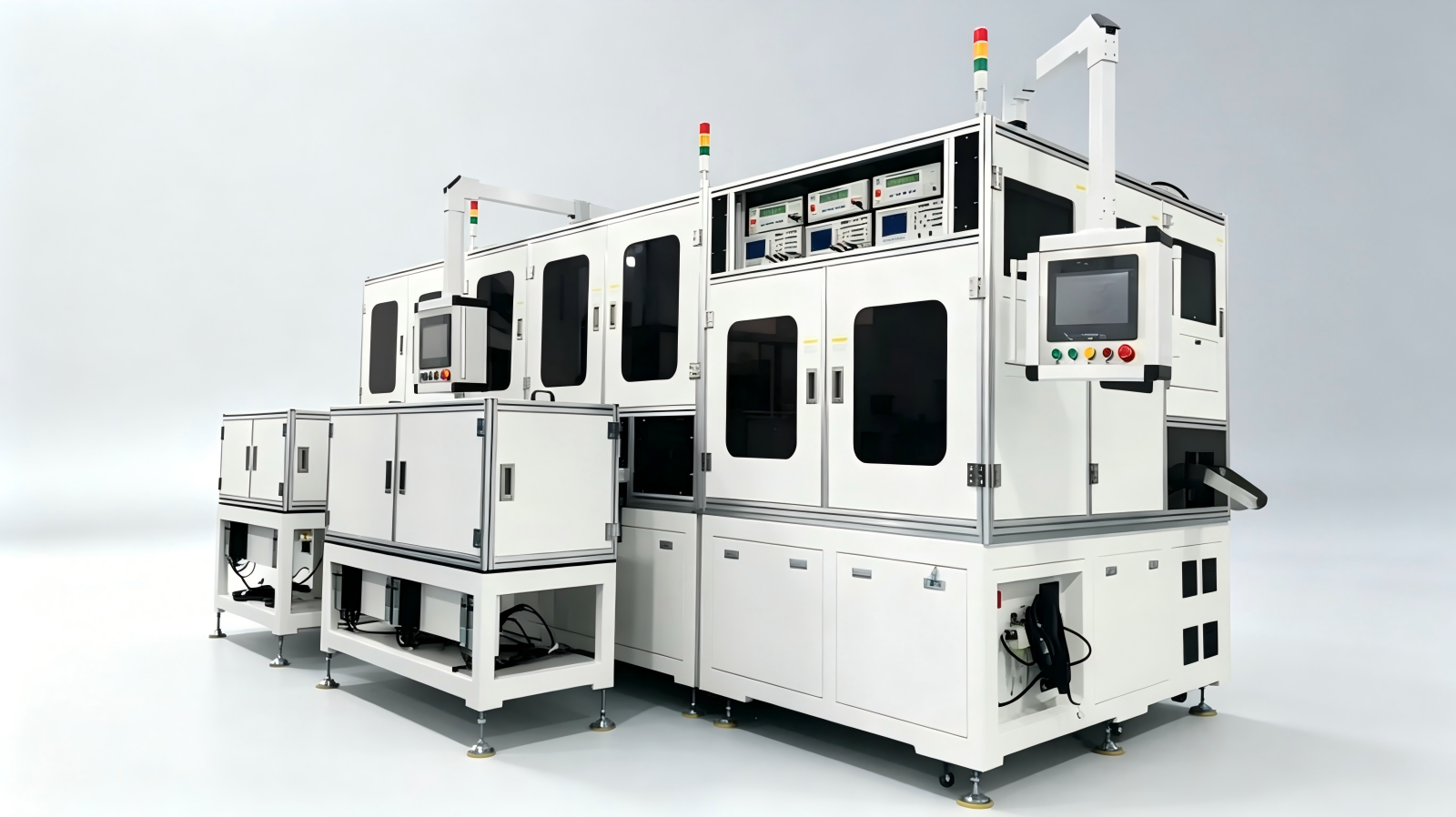
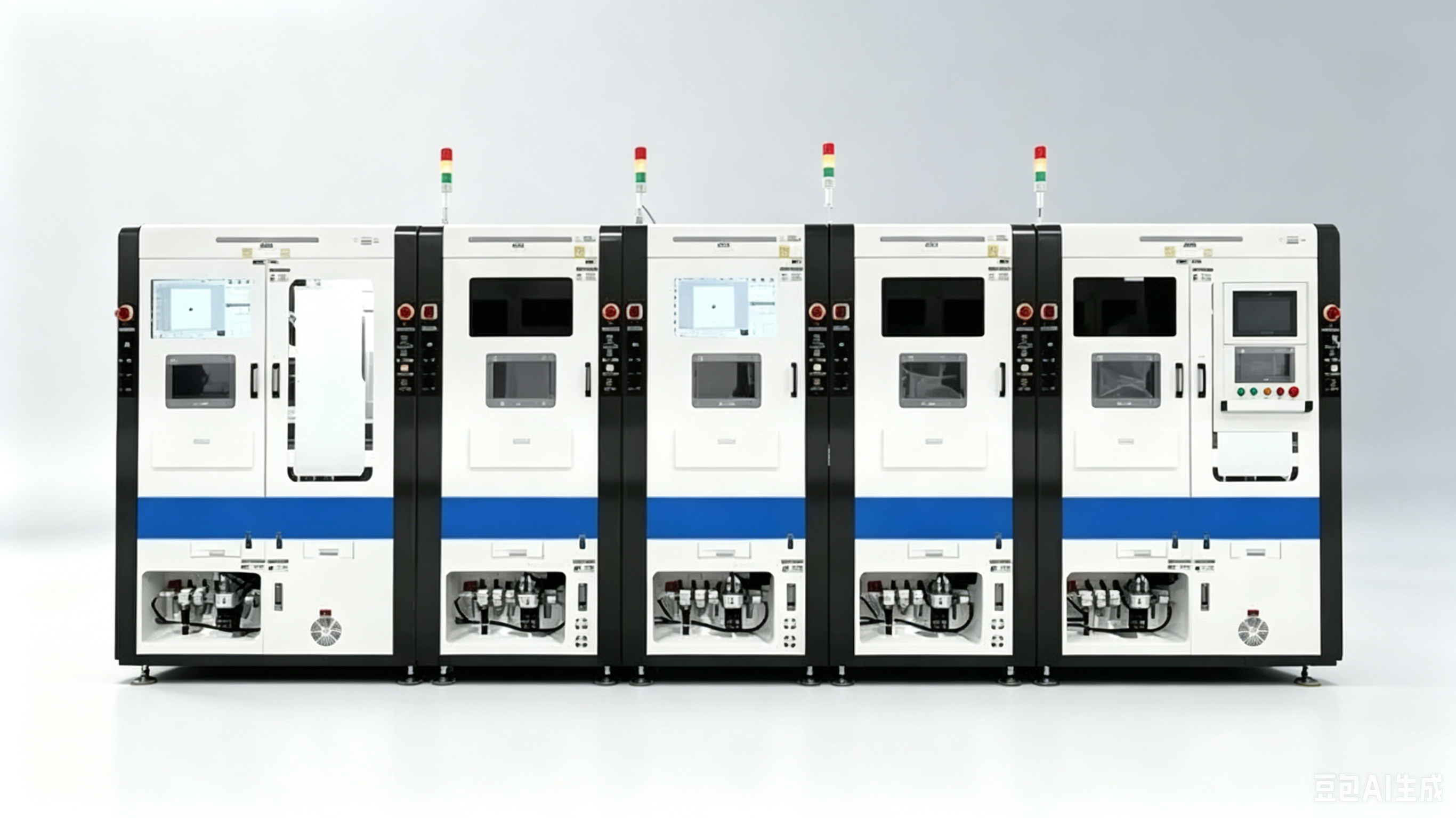
For flexible automated assembly machine applications, Mijoint provides the Standardized Platform solution, which is designed to support rapid production switching and diversified manufacturing requirements. The platform includes modules such as the automatic wire lacing and cutting machine, automatic wire preparing machine, hot bar soldering machine, and UV automatic dispensing machine.
This flexible automated assembly machine platform emphasizes modularity, universality, and fast integration capability. Through standardized module architecture and quick-disconnect design, manufacturers can efficiently switch production modes and adapt to different process requirements without replacing the entire system.
Mijoint’s solution also supports standalone operation and rapid integration into automated production lines, helping manufacturers improve equipment utilization and reduce upgrade costs. Combined with vision-assisted debugging systems and intelligent control technology, the platform significantly shortens changeover time and improves production efficiency for high-mix manufacturing environments.
Conclusion
Choosing the right flexible automated assembly machine is essential for manufacturers seeking to improve efficiency, product quality, and production adaptability in modern manufacturing environments. A well-designed system should combine modular architecture, intelligent automation, integrated inspection, and scalable production capability into one efficient manufacturing platform.
As industries continue moving toward smart manufacturing and diversified production models, flexible automation will play an increasingly important role in maintaining competitiveness and operational stability. If you are planning to upgrade your manufacturing capability with advanced automation technology, now is the ideal time to work with an experienced automation partner. Contact Mijoint today to explore customized flexible automated assembly machine solutions tailored to your production requirements.
FAQ
Q1: What is a flexible automated assembly machine used for?
A flexible automated assembly machine is used for automated production of multiple product types while supporting rapid changeovers and adaptable manufacturing processes.
Q2: How does a flexible automated assembly machine improve production efficiency?
It reduces manual labor, shortens product switching time, and enables continuous automated production with stable quality control.
Q3: Why is modular design important in a flexible automated assembly machine?
Modular design allows manufacturers to upgrade, rearrange, or expand production systems without replacing the entire assembly line.
Q4: Which industries commonly use a flexible automated assembly machine?
Industries such as connector manufacturing, automotive electronics, consumer electronics, medical devices, and industrial automation widely use these systems.
Q5: What inspection technologies are integrated into a flexible automated assembly machine?
Common technologies include CCD vision inspection, AOI systems, electrical testing modules, and intelligent defect detection systems.