Introduction
The automotive industry is rapidly evolving toward electrification, intelligent driving, and connected vehicle technologies. As modern vehicles integrate more electronic systems, the complexity and quantity of wire harnesses used in automotive manufacturing continue to increase. From power distribution and communication systems to advanced driver assistance systems and infotainment modules, wire harnesses serve as the critical infrastructure connecting every electronic component inside a vehicle.
Because wire harnesses directly influence electrical performance, communication stability, and operational safety, manufacturers must maintain extremely high standards for assembly precision and product consistency. At the same time, automotive manufacturers are under pressure to improve production efficiency, shorten delivery cycles, and reduce labor dependency. These challenges have accelerated the adoption of the automotive wire harness assembly line across global manufacturing facilities.
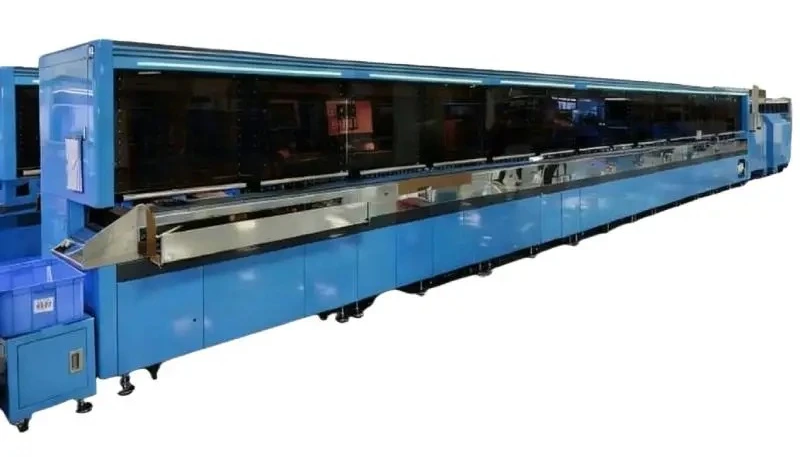
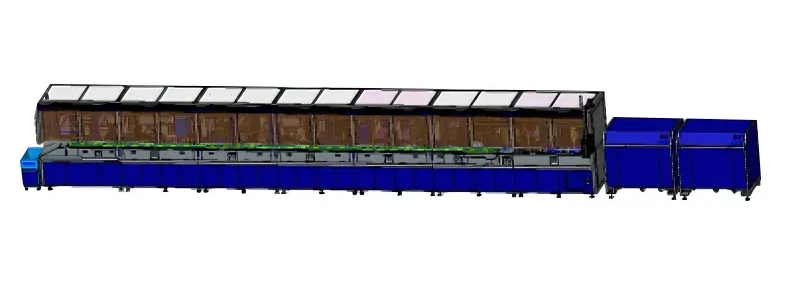
A modern automotive wire harness assembly line integrates automated wire processing, connector assembly, intelligent inspection, electrical testing, and production traceability into one manufacturing platform. Choosing the right solution requires evaluating automation capability, flexibility, quality control systems, and long-term scalability to support future automotive production demands.
Why High-volume Automotive Production Requires Advanced Automation
Automotive manufacturing depends heavily on production consistency and stable delivery capability. Traditional manual assembly methods are increasingly unable to satisfy modern vehicle production requirements because wire harness products are becoming more complex and production volumes continue to grow. Manual assembly introduces variations caused by operator skill, fatigue, and inconsistent processing methods, which can directly affect final product quality.
An advanced automotive wire harness assembly line solves these problems through standardized automated production. Automated wire feeding, cutting, stripping, crimping, connector insertion, and inspection systems ensure every process is completed with stable accuracy and repeatability. Servo motion control and intelligent positioning technologies also help maintain consistent assembly quality during continuous operation.
High-volume automotive production also requires fast cycle times and stable long-term operation. Automated systems can run continuously with minimal interruption, improving manufacturing efficiency while reducing labor costs. In addition, intelligent data collection and process traceability allow manufacturers to monitor production quality in real time and comply with strict automotive manufacturing standards.
Key Features to Look for in an Automotive Wire Harness Assembly Line
When selecting an automotive wire harness assembly line, manufacturers should first evaluate assembly precision and process stability. High-quality systems use servo-driven positioning modules, precision fixtures, and intelligent motion control technology to maintain stable assembly accuracy throughout production. Accurate crimping force control and precise terminal insertion are essential for ensuring reliable electrical connections.
Integrated production capability is another important factor. A modern system should combine wire processing, connector assembly, crimping, welding, inspection, and testing into one continuous workflow. This reduces manual handling, improves production efficiency, and minimizes the risk of assembly errors. Intelligent CCD and AOI inspection systems are also critical for detecting connector misalignment, missing components, or crimping defects in real time.
Manufacturers should also prioritize flexibility and scalability. Automotive suppliers often produce multiple wire harness models for different vehicle platforms, so the production line should support rapid product switching and modular expansion. MES integration capability is equally important because it enables real-time monitoring, production traceability, and long-term quality management.
The Importance of Intelligent Inspection and Quality Control
Wire harnesses are directly related to vehicle communication, power distribution, and safety system operation. Even small assembly defects can cause electrical instability or communication failure inside modern vehicles. For this reason, intelligent inspection and quality control technologies are among the most important functions in an automotive wire harness assembly line.
Modern automated systems integrate multiple inspection technologies including CCD vision inspection, AOI systems, electrical conductivity testing, insulation resistance testing, and crimp force monitoring. These systems continuously monitor assembly quality during production and immediately detect abnormal conditions such as incorrect terminal insertion, poor crimping, missing parts, or connector deformation.
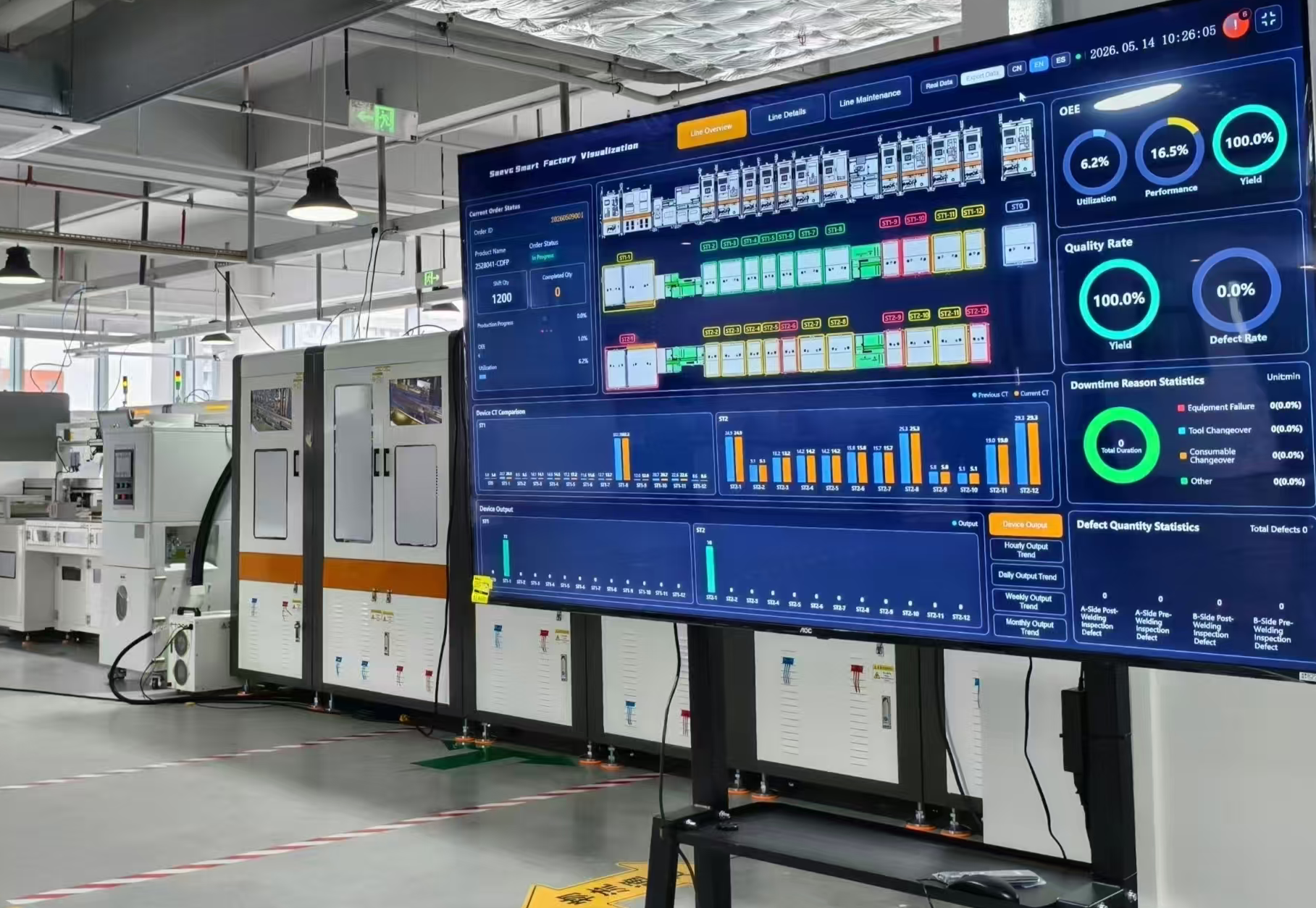
Full-process data traceability is another major advantage of intelligent automation. Production parameters, inspection results, and testing records can all be automatically stored and uploaded to management systems for quality analysis and long-term traceability. This helps manufacturers improve process control, reduce defect rates, and maintain stable production quality for large-scale automotive manufacturing.
Flexibility and Scalability for Future Automotive Manufacturing
Automotive manufacturing is changing rapidly as electric vehicles, autonomous driving systems, and high-speed communication technologies become more common. Manufacturers therefore need flexible automation systems capable of adapting to changing production requirements and supporting multiple product variants efficiently.
A flexible automotive wire harness assembly line allows manufacturers to switch between different product models quickly through programmable production parameters and modular equipment architecture. This reduces downtime during product changeovers and improves equipment utilization. Flexible systems also help manufacturers optimize factory floor space by supporting multiple production tasks on one platform.
Scalability is equally important for long-term investment value. A modular automation platform enables manufacturers to add new stations, inspection modules, or testing functions without replacing the entire production line. As automotive communication technologies continue evolving, scalable automation systems provide manufacturers with stronger future compatibility and production adaptability.
Mijoint: Intelligent Automation Solutions for Automotive Wire Harness Production
Mijoint specializes in intelligent automation equipment for connector and wire harness manufacturing. The company provides advanced automotive wire harness assembly line solutions designed to improve production efficiency, assembly precision, and manufacturing stability for automotive applications.
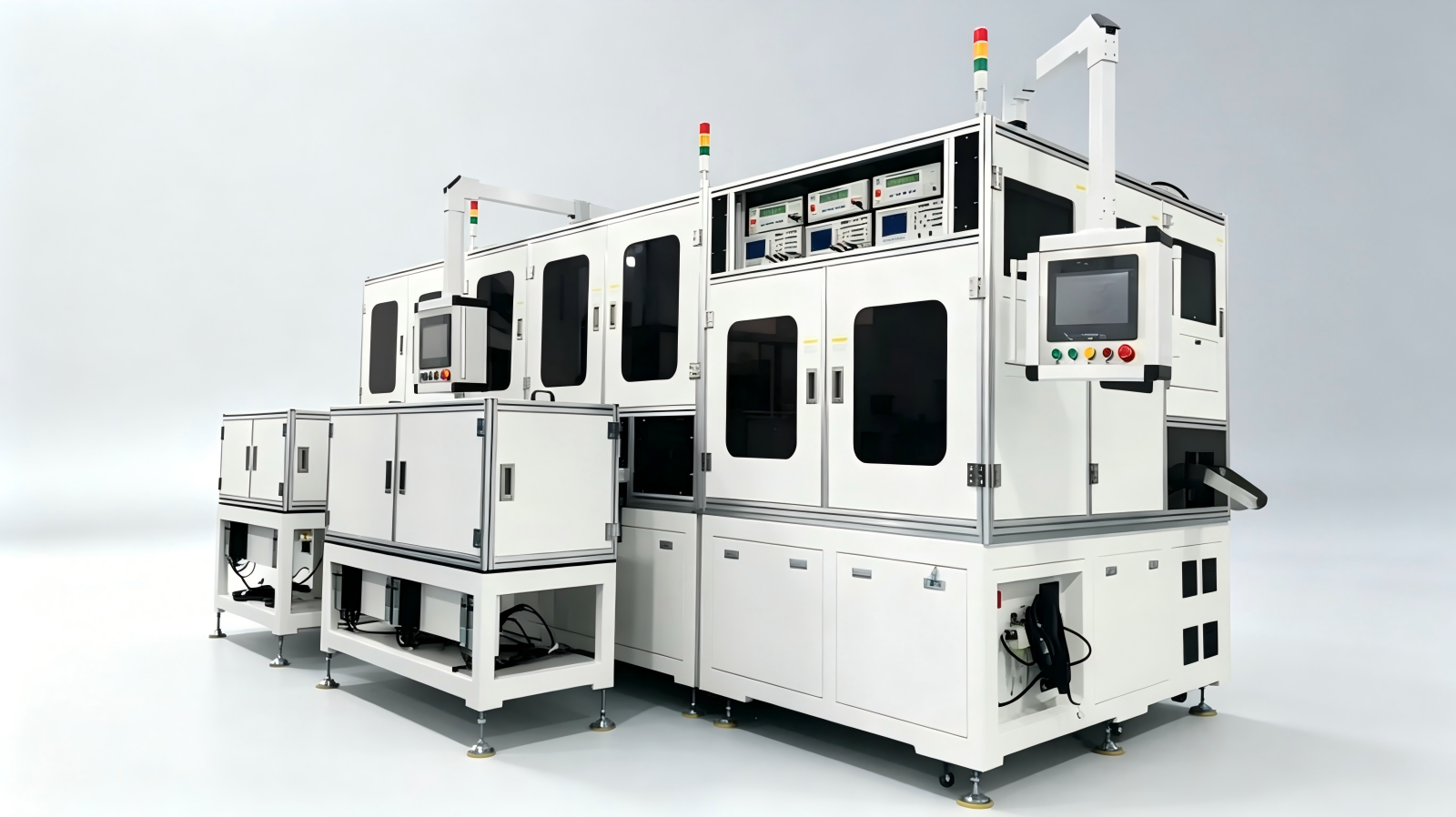
Mijoint’s Automotive Wire Harness Assembly Equipment Fully Automative Series integrates automated wire processing, connector assembly, intelligent inspection, and electrical testing into a highly efficient production platform. The company also provides the RT Version Ethernet Cable Assembly & Inspection Equipment for high-speed automotive communication cable production.
For advanced FAKRA connector applications, Mijoint offers both Fakra Board End Connector Assembly Equipment and Fakra Wire Harness Assembly & Inspection Equipment . These systems support fully automated production processes including wire preparation, ferrule crimping, laser processing, connector assembly, AOI inspection, and full lifecycle data traceability. Mijoint’s automation solutions emphasize stable quality, intelligent inspection, flexible manufacturing, and high-efficiency production for modern automotive wire harness manufacturing.
Conclusion
Choosing the right automotive wire harness assembly line is essential for manufacturers seeking higher production efficiency, stable product quality, and long-term competitiveness in modern automotive manufacturing. Advanced automation systems help manufacturers reduce labor dependency, improve assembly consistency, and achieve reliable large-scale production.
Manufacturers should carefully evaluate automation flexibility, inspection capability, scalability, and intelligent production management before making investment decisions. If you are looking for advanced automotive wire harness assembly line solutions for high-volume production, contact Mijoint today to explore customized intelligent automation systems designed for future automotive manufacturing needs.
FAQ
Q1: What is an automotive wire harness assembly line used for?
An automotive wire harness assembly line is used for automated wire processing, connector assembly, inspection, electrical testing, and packaging in automotive manufacturing.
Q2: Why is an automotive wire harness assembly line important for high-volume production?
It improves production efficiency, reduces manual errors, maintains stable quality, and supports continuous large-scale manufacturing.
Q3: Can an automotive wire harness assembly line support multiple wire harness models?
Yes. Modern systems support flexible manufacturing with programmable production parameters and rapid product switching capability.
Q4: What inspection technologies are commonly used in an automotive wire harness assembly line?
Common technologies include CCD vision inspection, AOI systems, electrical conductivity testing, insulation testing, and crimp force monitoring.
Q5: How does an automotive wire harness assembly line improve manufacturing quality?
It standardizes production processes, enables intelligent inspection, reduces assembly defects, and provides full-process production traceability.