Introduction
Precision manufacturing industries continue to demand higher production accuracy, better process consistency, and faster manufacturing efficiency. Connectors are critical components in modern electronic, automotive, communication, and industrial systems because they directly influence signal transmission reliability and equipment stability. As connector structures become smaller and more complex, manufacturers face increasing pressure to maintain high-quality production standards while meeting growing market demand.
Traditional manual assembly methods are no longer sufficient for modern production requirements. Manual operations often lead to unstable quality, higher defect rates, inconsistent assembly accuracy, and increased labor costs. These limitations are especially problematic in precision manufacturing environments where even small dimensional deviations may result in product failure or unstable electrical performance.
An automatic connector assembly line integrates automated feeding, positioning, insertion, welding, inspection, testing, and packaging into a unified production system. By minimizing human intervention and standardizing manufacturing processes, it significantly improves production stability and operational efficiency. However, selecting the right system requires careful evaluation of precision capability, inspection technology, scalability, flexibility, and long-term reliability.
Why Precision Manufacturing Depends on Automation
Precision manufacturing requires consistent repeatability and highly controlled production processes. In connector production, dimensional tolerances are often extremely small, especially for high-density and miniaturized products used in automotive electronics, communication systems, and industrial equipment. Manual assembly methods struggle to maintain stable accuracy under continuous production conditions.
An automatic connector assembly line uses servo motion control, intelligent positioning systems, and automated process management to achieve consistent assembly precision. Automated systems can maintain repeatability within very tight tolerances while reducing assembly deviations caused by operator fatigue or inconsistent manual handling. This level of stability is essential for products requiring precise terminal positioning and reliable electrical contact performance.
Automation also significantly improves manufacturing efficiency. Modern production environments require continuous operation and rapid throughput. Automated systems support 24/7 production with stable cycle times and lower defect rates. As production volumes increase, automation becomes a key factor in maintaining competitiveness while controlling labor and quality management costs.
Key Features to Evaluate in an Automatic Connector Assembly Line
When selecting an automatic connector assembly line, manufacturers should first evaluate assembly precision and positioning accuracy. High-performance systems typically provide repeatability around ±0.01 mm, ensuring stable connector alignment and assembly consistency. Precision directly affects electrical performance, insertion stability, and long-term product reliability.
Another important factor is process integration capability. Advanced automation systems combine multiple production stages such as feeding, insertion, welding, crimping, inspection, and packaging into a seamless workflow. Integrated production reduces handling time, minimizes production interruptions, and improves operational efficiency. It also reduces the need for excessive manual intervention between production stages.
Flexibility is equally important because many manufacturers produce multiple connector models with different specifications. A modern automatic connector assembly line should support quick changeovers, modular configuration, and programmable process adjustments. Flexible production capability allows manufacturers to handle small-batch and multi-model production without significant downtime.
The Role of Intelligent Inspection and Quality Control
Quality control is one of the most important aspects of connector manufacturing because even minor assembly defects can affect product functionality and system reliability. Modern automated production systems therefore integrate intelligent inspection technologies throughout the manufacturing process.
CCD vision systems and AOI technologies are commonly used to inspect component positioning, assembly orientation, terminal insertion quality, and structural dimensions in real time. These inspection systems can immediately detect defects such as missing components, misalignment, insufficient insertion depth, or welding abnormalities. By identifying defects during production rather than after completion, manufacturers can significantly reduce scrap rates and rework costs.
Electrical testing systems are also critical in an automatic connector assembly line. Functions such as continuity testing, insulation testing, contact resistance testing, and force monitoring ensure that each product meets strict performance standards. In addition, full-process data recording and MES integration provide traceability for every production step, supporting long-term quality optimization and production management.
Why Production Flexibility and Scalability Matter
Modern connector manufacturers often need to manage diverse product portfolios with frequent design updates and varying production volumes. As a result, flexibility has become one of the most valuable capabilities in automated manufacturing systems.
A flexible automatic connector assembly line allows manufacturers to switch between different product types efficiently through modular equipment structures and programmable production parameters. Quick changeover capability minimizes downtime and improves overall equipment utilization. This is especially beneficial for manufacturers producing multiple connector variants or customized products.
Scalability is equally important for long-term investment value. Modular automation platforms allow manufacturers to expand production capacity or integrate additional functions without replacing the entire production line. This reduces future upgrade costs and helps manufacturers adapt to evolving market demands while maintaining stable production performance.
Mijoint’s Advanced Connector Automation Solutions
Mijoint is one of China’s leading manufacturers specializing in intelligent automation equipment for precision connector production. The company focuses on delivering highly efficient and stable automation solutions for complex connector assembly applications. With extensive experience in automation technology, vision inspection, and intelligent manufacturing, Mijoint helps manufacturers improve productivity, reduce defects, and achieve stable mass production.
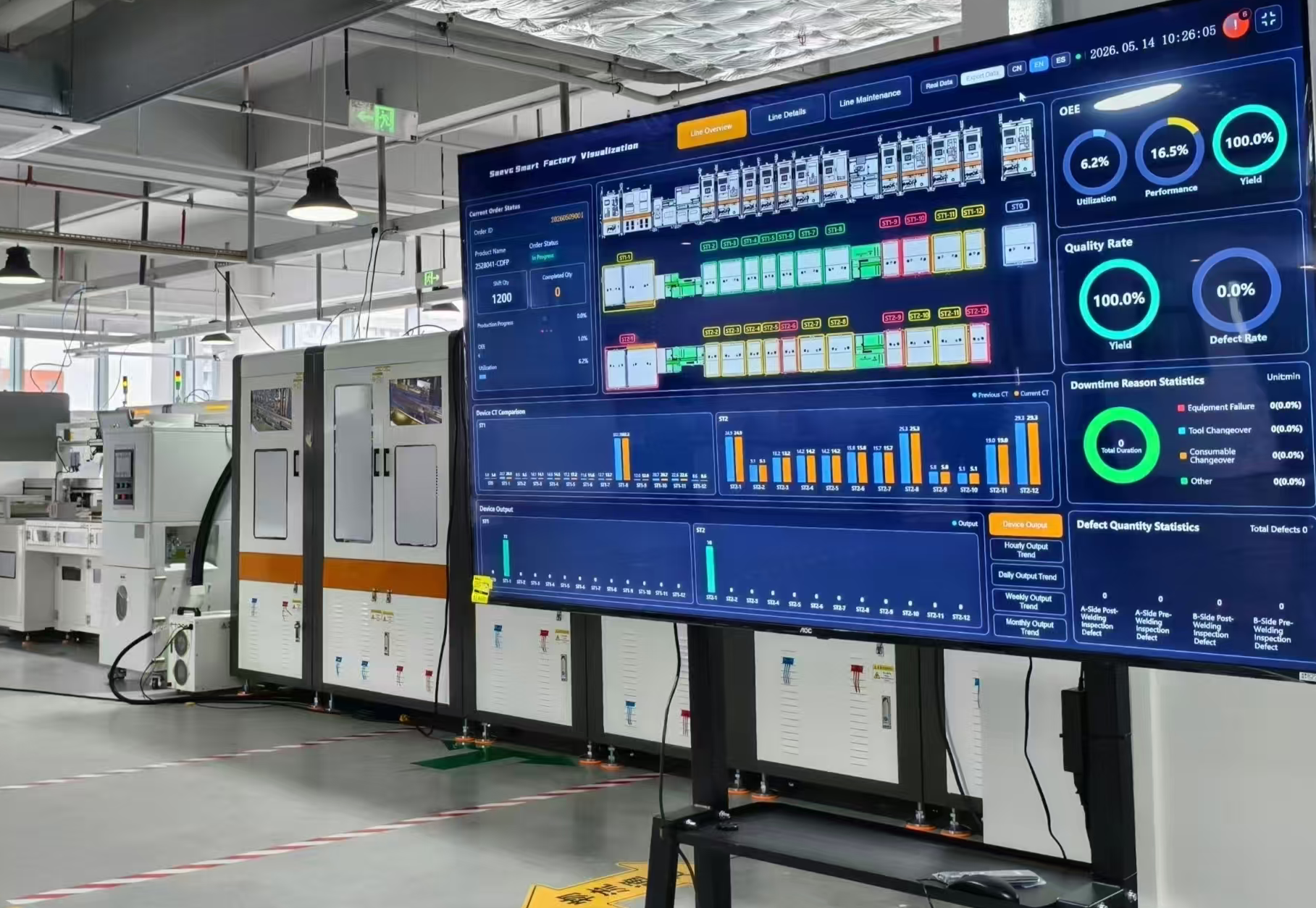
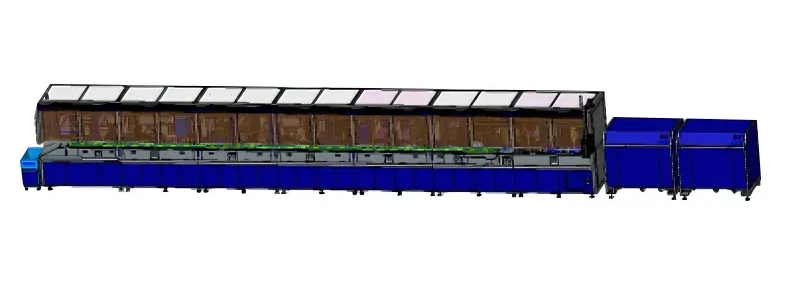
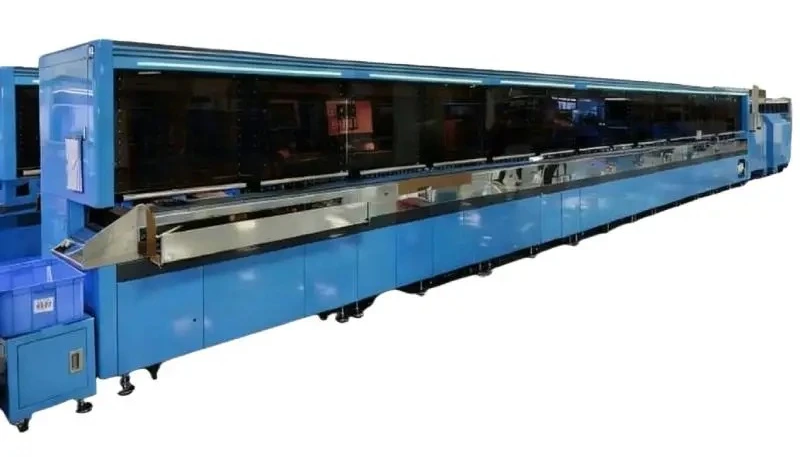
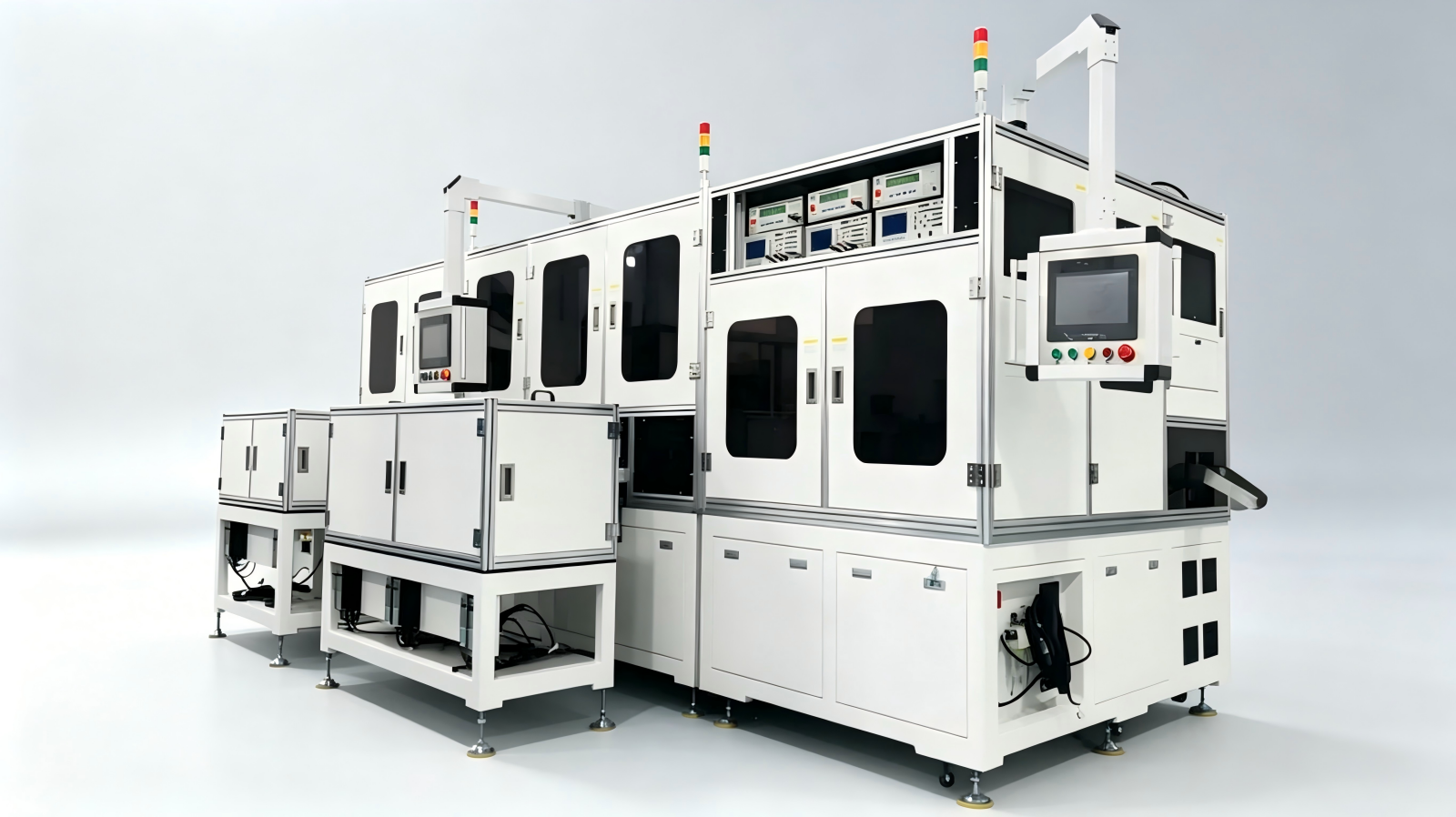
Mijoint provides comprehensive solutions such as the Connector Assembly Equipment Fully Automatic Series, which integrates feeding, assembly, inspection, testing, and packaging into a complete automated production workflow. For high-precision terminal insertion applications, the D325 Automatic Clip Insertion Machine uses vision-guided positioning systems to improve insertion accuracy and reduce assembly errors.
Mijoint also offers advanced systems including the SAS Automated Line for flexible multi-process connector assembly, the J271 automated system for precision EMI assembly and welding, the B901 precision equipment for stamping and traceability management, and the G20 Micro Switch Automated Line featuring intelligent CCD inspection and integrated testing technologies. These solutions are designed to support high-precision manufacturing, flexible production, and intelligent quality control.
Conclusion
Choosing the right automatic connector assembly line is essential for manufacturers seeking higher precision, improved efficiency, and stable long-term production performance. Modern automation systems provide advantages in assembly accuracy, intelligent inspection, flexible manufacturing, and scalable production management.
As connector products continue to evolve toward higher density and more complex structures, advanced automation solutions will play an increasingly important role in competitive manufacturing. If you are planning to upgrade your production capabilities, now is the ideal time to explore intelligent automation solutions from Mijoint for your precision manufacturing requirements.
FAQ
Q1: What industries commonly use an automatic connector assembly line?
Industries such as automotive electronics, consumer electronics, industrial automation, telecommunications, and medical equipment widely use automated connector production systems.
Q2: How does an automatic connector assembly line improve product quality?
It improves quality by reducing manual errors, ensuring stable assembly accuracy, integrating real-time inspection systems, and standardizing production processes.
Q3: Can an automatic connector assembly line support flexible production?
Yes. Modern systems support modular configurations and quick changeovers, allowing manufacturers to produce multiple connector models efficiently.
Q4: What inspection technologies are integrated into an automatic connector assembly line?
Common technologies include CCD vision inspection, AOI systems, continuity testing, insulation testing, contact resistance testing, and force monitoring systems.
Q5: Why is scalability important in an automatic connector assembly line?
Scalable systems allow manufacturers to expand production capacity, integrate additional functions, and adapt to future product changes without replacing the entire production line.