Common Challenges in Choosing a High-speed Cable Assembly Line
Selecting the right high-speed cable assembly line is often more complex than expected, especially for manufacturers working with high-speed data cables, automotive wiring, and precision industrial applications. Many companies struggle not because they lack equipment options, but because they lack a structured decision-making framework.
One common issue is mismatched production capacity. Some manufacturers invest in oversized systems that lead to low utilization and wasted capital, while others select equipment that cannot meet production demand, resulting in bottlenecks and delayed delivery. Another major challenge is process mismatch. A high-speed cable assembly line must align closely with cable structure and processing requirements; otherwise, even advanced systems may fail to deliver consistent quality.
Cost evaluation is also frequently misunderstood. Many buyers focus only on initial investment, ignoring long-term operational costs, maintenance, and scalability. In addition, supplier capability varies significantly, and choosing an inexperienced partner can create integration risks and long-term instability.
Because of these challenges, a structured approach is essential. This guide will help you evaluate key factors and confidently select the right high-speed cable assembly line for your production needs.
A Practical Guide to Selecting the Right High-speed Cable Assembly Line
Choosing a high-speed cable assembly line is not simply about comparing specifications. It is a strategic decision that must align with your production goals, product requirements, and long-term business planning.
A high-speed cable assembly line is a complete system that integrates multiple processes into a continuous workflow. Therefore, selection should focus on system compatibility, flexibility, and lifecycle value rather than individual machine performance. Manufacturers must evaluate how well the system fits their current production while also supporting future expansion.
In the following sections, we will walk through a structured selection framework, including production requirement analysis, key technical factors, cost evaluation, and supplier selection. This step-by-step approach ensures that your investment delivers both immediate and long-term value.
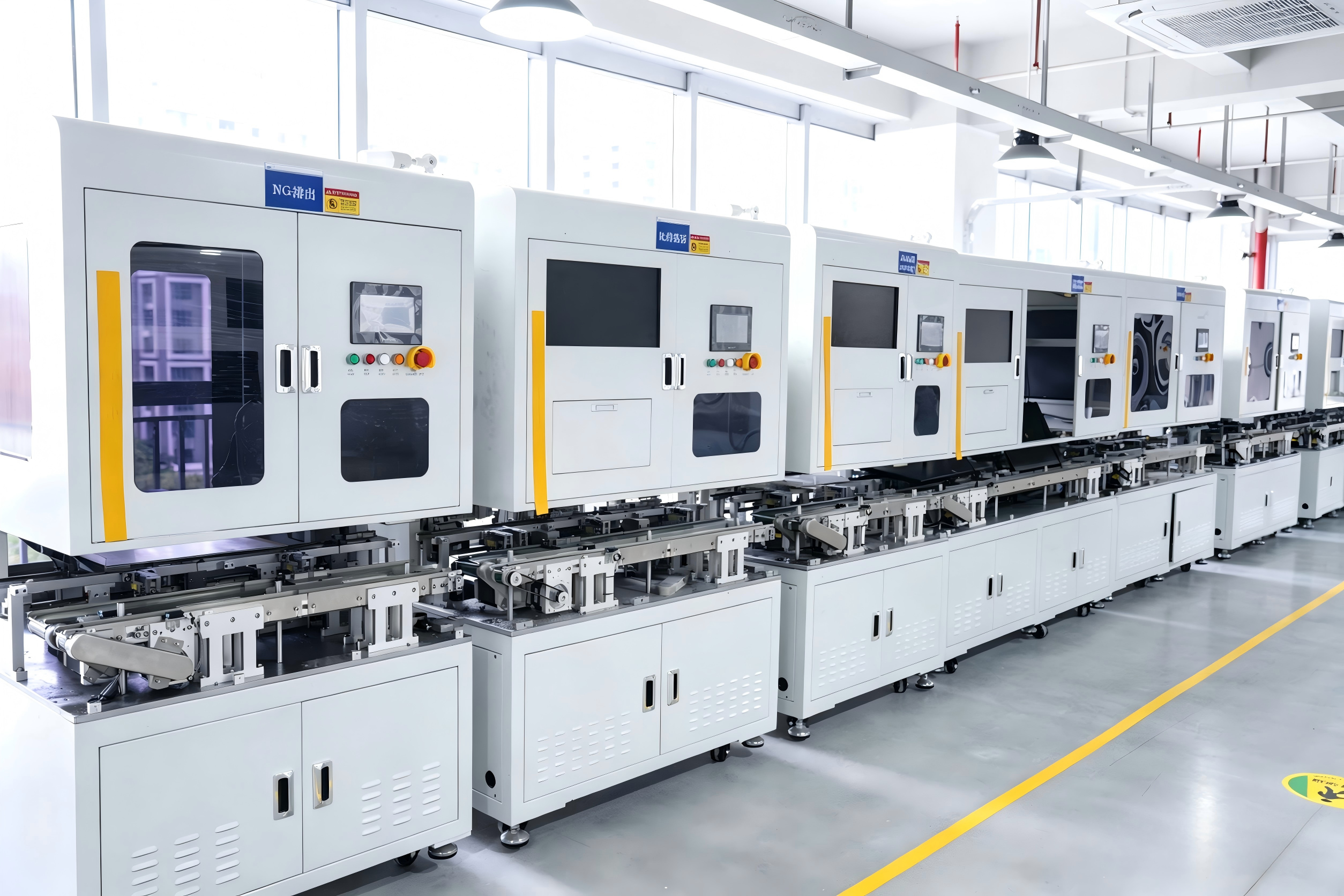
1. Understanding Your High-speed Cable Assembly Line Requirements
Understanding your production requirements is the first and most critical step in selecting a high-speed cable assembly line. Without clearly defining your output targets, product complexity, and process needs, it is difficult to configure a system that achieves both efficiency and long-term stability. The following factors will help you evaluate your requirements in a structured and practical way.
1.1 Production Scale and Output Planning
Production scale determines the overall capacity and configuration of your high-speed cable assembly line. You need to evaluate your current output requirements and future growth expectations. High-volume production requires continuous operation capability, high-speed synchronization, and minimal downtime.
However, overestimating capacity can lead to unnecessary investment and low utilization, while underestimating demand can create bottlenecks and limit growth. A scalable high-speed cable assembly line based on a modular platform allows you to expand production as needed, making it a more flexible and cost-effective solution.
1.2 Product Complexity and Process Requirements
The complexity of your cable products directly affects the system configuration. High-speed data cables often require precise processing of shielding layers, dielectric materials, and conductor structures. This means the high-speed cable assembly line must support advanced processing technologies such as laser processing, controlled stripping, and precision forming.
For simpler products, a less complex configuration may be sufficient, reducing costs while maintaining efficiency. Understanding your product structure ensures that the selected system matches your technical requirements without unnecessary overengineering.
1.3 Production Cycle and Throughput Requirements
Production efficiency depends on how well each process stage is synchronized. A high-speed cable assembly line must meet your required cycle time while maintaining stable quality. If one process becomes a bottleneck, it will reduce overall system efficiency.
A well-designed system ensures smooth transitions between stages, maintaining consistent throughput and minimizing downtime. This is especially important in high-speed production environments.
1.4 Automation Level Requirements
Automation level determines labor efficiency, consistency, and overall system performance. A fully automated high-speed cable assembly line is ideal for large-scale standardized production, while semi-automated systems offer more flexibility for customized manufacturing.
Choosing the right level of automation requires balancing cost, flexibility, and production efficiency. The goal is to select a system that supports your production strategy while remaining adaptable to future needs.
2. Key Selection Factors for High-speed Cable Assembly Line
Once your production requirements are clearly defined, the next step is to evaluate the key factors that determine system performance and long-term reliability. A high-speed cable assembly line must not only meet current production needs but also ensure stability, flexibility, and efficiency over time.
2.1 Equipment Reliability and Stability
Reliability is essential for continuous production. A high-speed cable assembly line must maintain stable performance across all modules to avoid downtime and ensure consistent product quality. High-quality components and precise engineering are critical for long-term operation.
2.2 Flexibility and Scalability
Modern manufacturing requires adaptability. A modular high-speed cable assembly line allows quick configuration changes and supports different product types. This flexibility is essential for responding to market changes and maintaining competitiveness.
2.3 Process Compatibility and Integration
A high-speed cable assembly line must integrate multiple processes into a unified system. Compatibility between different modules is essential for maintaining efficiency and avoiding bottlenecks.
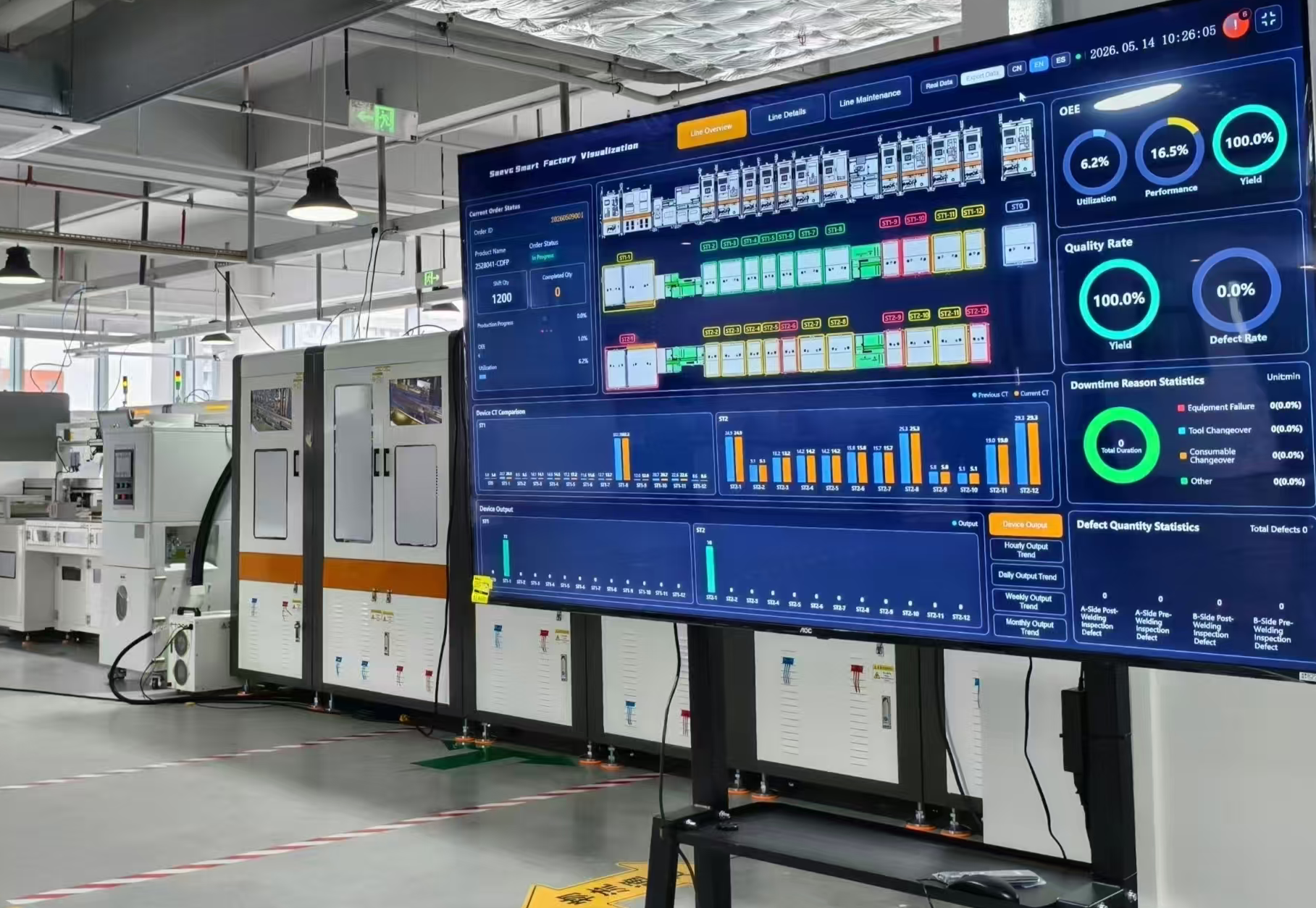
Well-integrated systems ensure smooth transitions between processing stages, improving overall productivity. Centralized control systems play a key role in achieving this integration, allowing real-time monitoring and adjustment of process parameters.
3. Cost, ROI, and Lifecycle Value of High-speed Cable Assembly Line
Cost evaluation is a critical part of selecting a high-speed cable assembly line. Instead of focusing only on initial investment, manufacturers should consider total cost of ownership, including efficiency, maintenance, and scalability.
A well-designed system improves productivity, reduces labor costs, and ensures consistent quality, resulting in faster ROI. Additionally, a flexible system extends its lifecycle by adapting to changing production needs, making it a more valuable long-term investment.
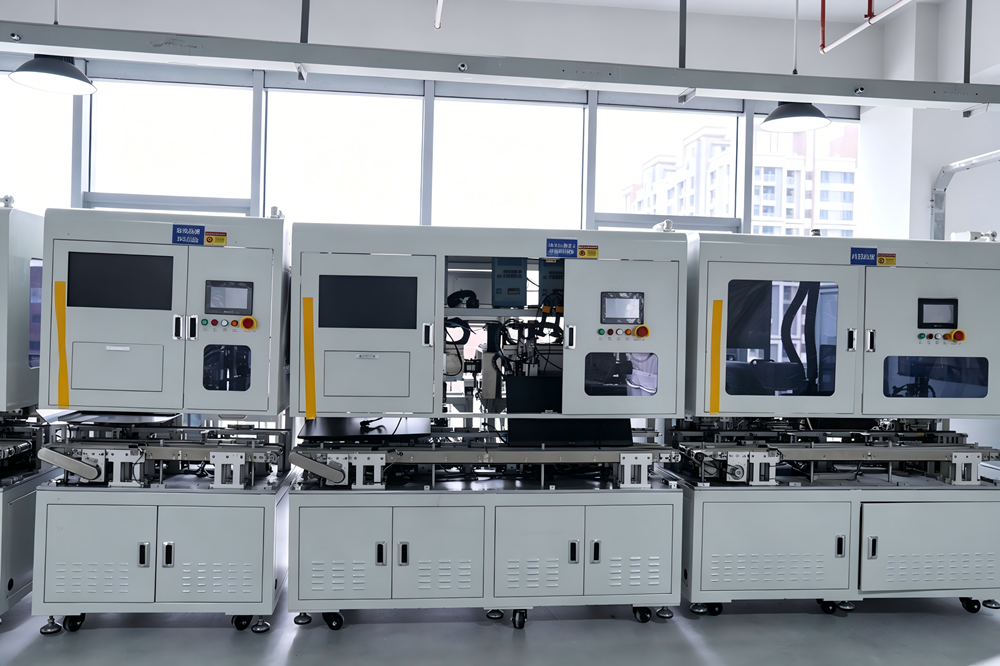
4. How to Choose the Right High-speed Cable Assembly Line Supplier
Selecting the right supplier is essential for ensuring successful implementation and long-term support. A high-speed cable assembly line requires not only advanced equipment but also strong technical expertise and system integration capability.
4.1 What to Look for in a High-speed Cable Assembly Line Supplier
A qualified supplier should provide more than equipment. They must offer a complete solution, including system design, process optimization, and technical support. Industry experience is critical, as it ensures that the supplier understands real production challenges.
Integration capability is another key factor. A high-speed cable assembly line involves multiple processes, and seamless coordination between modules is essential for efficiency. Strong after-sales support is equally important, including installation, training, and long-term maintenance.
Finally, the supplier should offer scalable and flexible solutions to support future growth. This ensures that your investment remains valuable over time.
4.2 Mijoint High-speed Cable Assembly Line Solutions
Mijoint is a leading automation equipment manufacturer in China, specializing in high-speed cable assembly line solutions. With strong R&D capability, extensive project experience, and deep industry understanding, Mijoint fully meets the key supplier criteria outlined above.
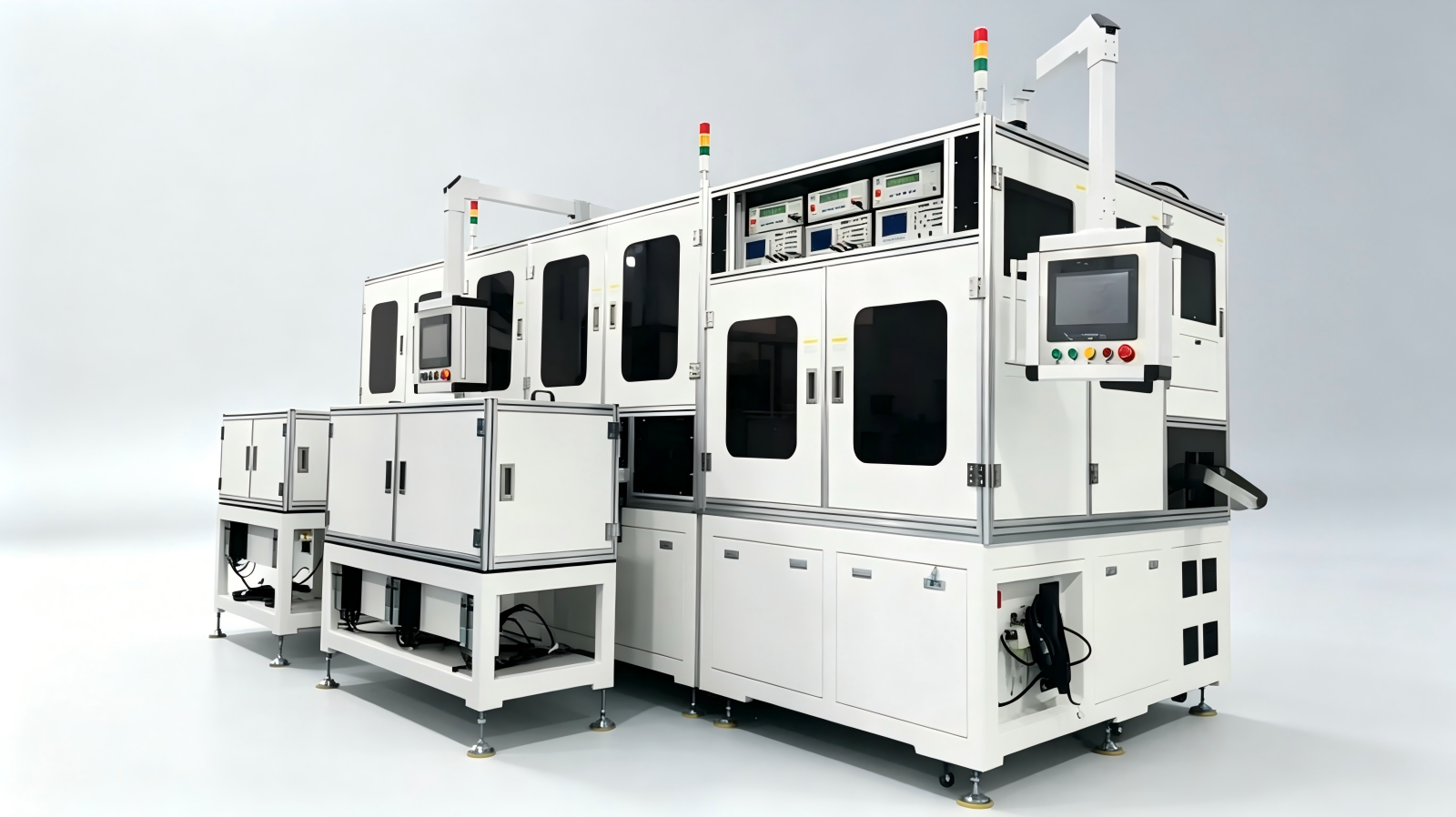
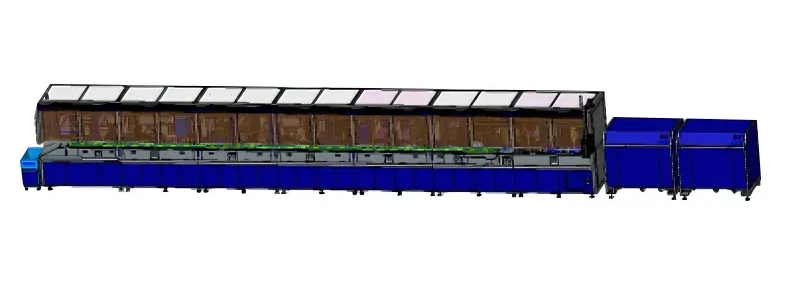
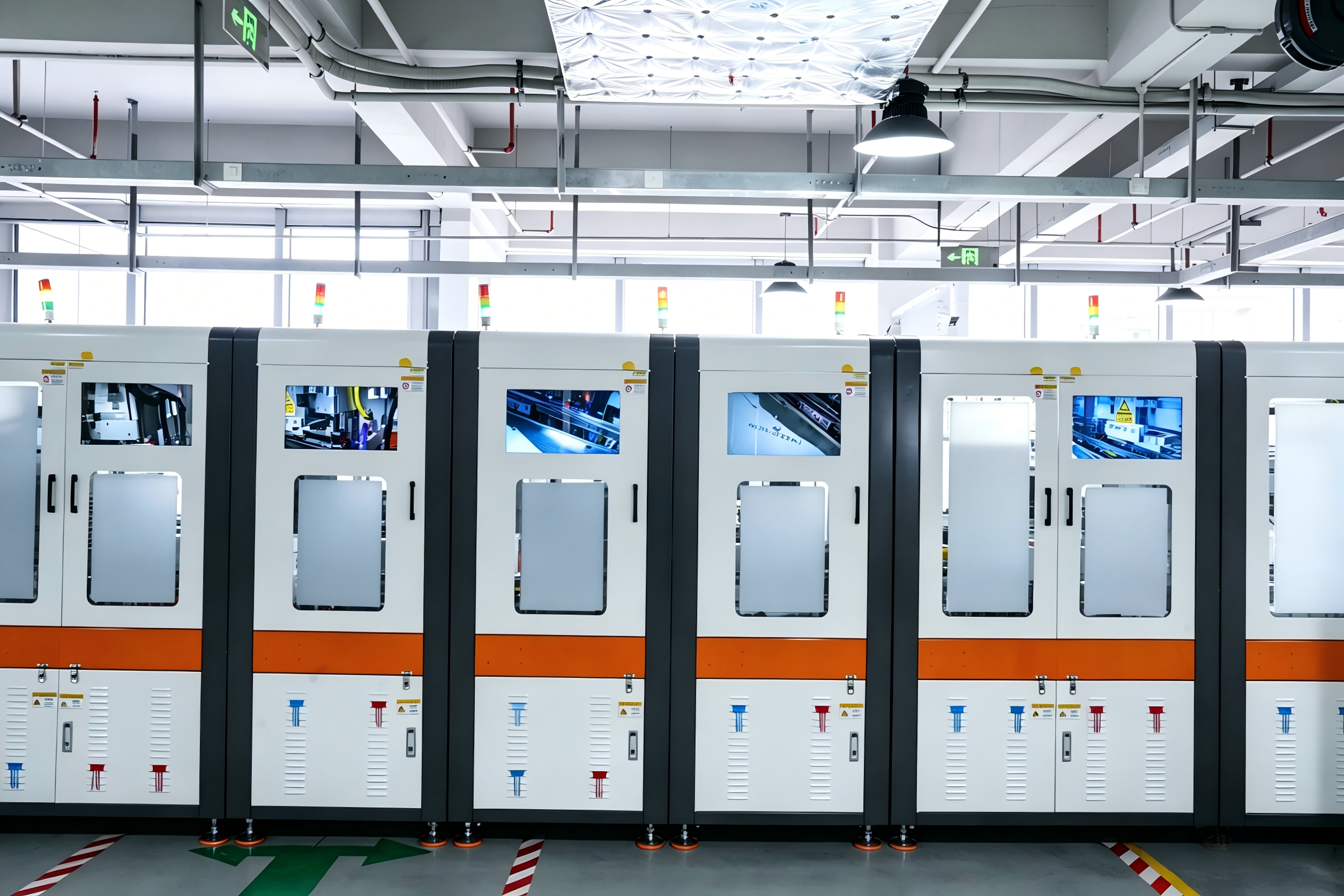
Mijoint provides customized solutions tailored to different production needs, ensuring that each high-speed cable assembly line is optimized for performance and efficiency. Its standardized modular platform high-speed cable assembly line standardized platform enables rapid configuration and flexible expansion, supporting both large-scale and customized production.
For high-speed cable processing, solutions such as the CDFP wire preparing automated line and MCIO wire preparing automated line provide high precision and stable performance in complex wire preparation processes. The QSFP-DD cable preparing automated line is designed for next-generation high-speed communication and data center applications, ensuring excellent signal integrity and production stability. Additional systems such as the NS100 automated line and Izumi automated line support flexible and customized production requirements for different industrial scenarios.
Get the Right High-speed Cable Assembly Line for Your Production
Choosing the right High-speed Cable Assembly Line requires a balance of technical understanding, cost evaluation, and supplier selection. A well-matched system can significantly improve efficiency, reduce costs, and support long-term growth.
Contact our technical experts for a free consultation and get a customized high-speed cable assembly line solution tailored to your production needs.
FAQ About High-speed Cable Assembly Line
Q1: How to choose a high-speed cable assembly line for your production needs?
Choosing a high-speed cable assembly line requires evaluating production scale, product complexity, and automation requirements.
Q2: What factors affect high-speed cable assembly line performance?
Performance depends on system reliability, process stability, and integration within the high-speed cable assembly line.
Q3: How does a high-speed cable assembly line improve efficiency?
A high-speed cable assembly line improves efficiency by integrating multiple processes into a continuous automated workflow.
Q4: Can a high-speed cable assembly line support flexible manufacturing?
Yes, a modular high-speed cable assembly line supports flexible production and quick configuration changes.
Q5: Why is supplier selection important for a high-speed cable assembly line?
Choosing the right supplier ensures proper system design, customization, and long-term support for a high-speed cable assembly line.