Common Challenges in Selecting a Precision Resistance Welding Machine
In modern manufacturing industries such as electronics, automotive components, aerospace parts, and precision metal assembly, welding accuracy has become a critical quality factor. However, selecting a suitable precision resistance welding machine is often more complicated than expected.
One of the biggest challenges is achieving consistent welding accuracy across different materials and component structures. Even small variations in current control, electrode pressure, or timing can lead to unstable weld quality, weak joints, or surface deformation. This becomes especially critical in high-precision applications where tolerance requirements are extremely strict.
Another common issue is the lack of understanding of process requirements. Many manufacturers focus only on machine size or power rating, without considering how the precision resistance welding machine interacts with the actual production process. As a result, mismatched configurations often lead to inefficiency and quality instability.
Cost misjudgment is also a frequent problem. Some buyers prioritize low initial investment but overlook long-term maintenance costs, energy efficiency, and production stability. In high-precision industries, a low-cost machine may actually lead to higher defect rates and increased operational costs.
Because of these challenges, a structured evaluation method is essential to ensure stable performance and long-term production value.
A Practical Guide to Selecting a Precision Resistance Welding Machine
A precision resistance welding machine is designed for controlled, high-accuracy metal joining applications where consistency, repeatability, and stability are critical. Unlike standard welding systems, it requires advanced control of current, pressure, and timing to ensure precise energy delivery at every welding point.
Therefore, selecting the right system is not simply about comparing specifications. It requires a complete understanding of production requirements, material behavior, and process integration. A well-selected machine can significantly improve product quality, reduce defect rates, and enhance manufacturing efficiency.
In the following sections, we will break down the key factors that help you choose the most suitable precision resistance welding machine for your application.
1. Understanding Your Application Requirements
Before selecting a precision resistance welding machine, it is essential to clearly define your application requirements. This ensures the system matches both technical and production needs.
1.1 Material Sensitivity and Conductivity
Different materials react differently during resistance welding. Copper, aluminum, stainless steel, and alloy materials all require different energy control strategies.
A high-quality precision resistance welding machine must offer precise adjustment of current output and pressure control to adapt to these variations. This ensures stable weld quality and avoids overheating or weak bonding.
1.2 Accuracy and Tolerance Requirements
High-accuracy applications require extremely tight control over welding parameters. Even slight deviations can affect product performance or structural integrity.
A precision resistance welding machine used in such environments must ensure repeatable welding results with minimal variation across production cycles.
1.3 Product Structure Complexity
Complex product structures often require precise electrode positioning and stable force distribution. If the welding points are small or densely arranged, the machine must support high-precision alignment systems.
For simpler structures, a standard configuration may be sufficient, but precision applications always require higher stability and control accuracy.
1.4 Production Environment and Stability
Environmental factors such as temperature variation, vibration, and power stability can influence welding performance. A reliable precision resistance welding machine should maintain stable output even under changing production conditions.
2. Key Selection Factors for a Precision Resistance Welding Machine
Once requirements are clearly defined, the next step is evaluating machine performance and technical capabilities.
2.1 Welding Control Precision
The most important factor in any precision resistance welding machine is control accuracy. The system must ensure precise regulation of current, voltage, and welding time.
High control precision directly improves weld consistency and reduces defect rates, especially in sensitive applications.
2.2 Electrode Design and Stability
The electrode system plays a key role in maintaining consistent welding quality. A well-designed electrode ensures uniform pressure distribution and stable contact during operation.
Durability is also critical, as electrode wear can affect long-term accuracy and increase maintenance frequency.
2.3 System Repeatability
Repeatability determines whether the machine can produce identical welds over long production cycles. A high-performance precision resistance welding machine must maintain stable output without fluctuation.
This is especially important in mass production of precision components.
2.4 Integration Capability
Modern production systems often require integration with other automated processes such as feeding, positioning, or inspection systems.
A precision resistance welding machine with good integration capability improves overall production efficiency and reduces manual intervention.
3. Cost Efficiency and Long-term Value
When evaluating cost, it is important not to focus only on purchase price. In precision manufacturing, performance stability directly affects product yield and operational cost.
A high-quality precision resistance welding machine reduces defect rates, minimizes rework, and improves energy efficiency. These factors significantly improve long-term ROI.
Additionally, durable components and stable performance reduce maintenance downtime, further lowering total operating costs over the machine lifecycle.
4. Choosing the Right Supplier for a Precision Resistance Welding Machine
Supplier capability plays a critical role in ensuring long-term production success. A reliable supplier provides not only equipment but also technical support and system optimization.
4.1 What to Look for in a Supplier
A qualified supplier of precision resistance welding machine solutions should provide:
· Strong engineering and R&D capability
· Experience in precision welding applications
· Customization ability for different industries
· Stable after-sales and technical support
· Reliable long-term spare parts supply
These factors ensure system stability and production continuity.
4.2 Mijoint Precision Welding Solutions
Mijoint is a professional automation equipment manufacturer specializing in high-precision welding and automated production systems. With strong engineering capability and extensive industry experience, Mijoint delivers reliable solutions for demanding industrial applications.
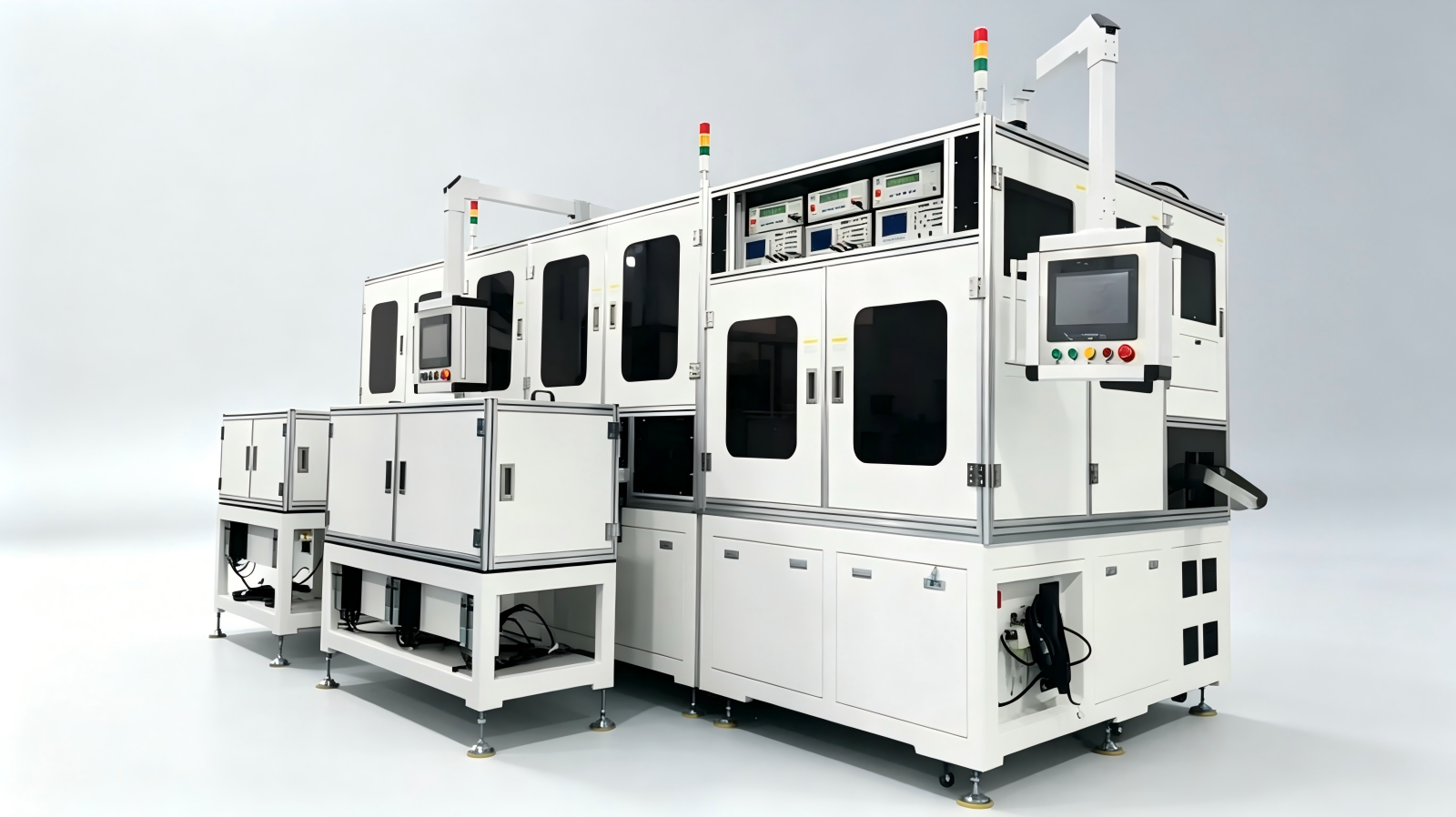
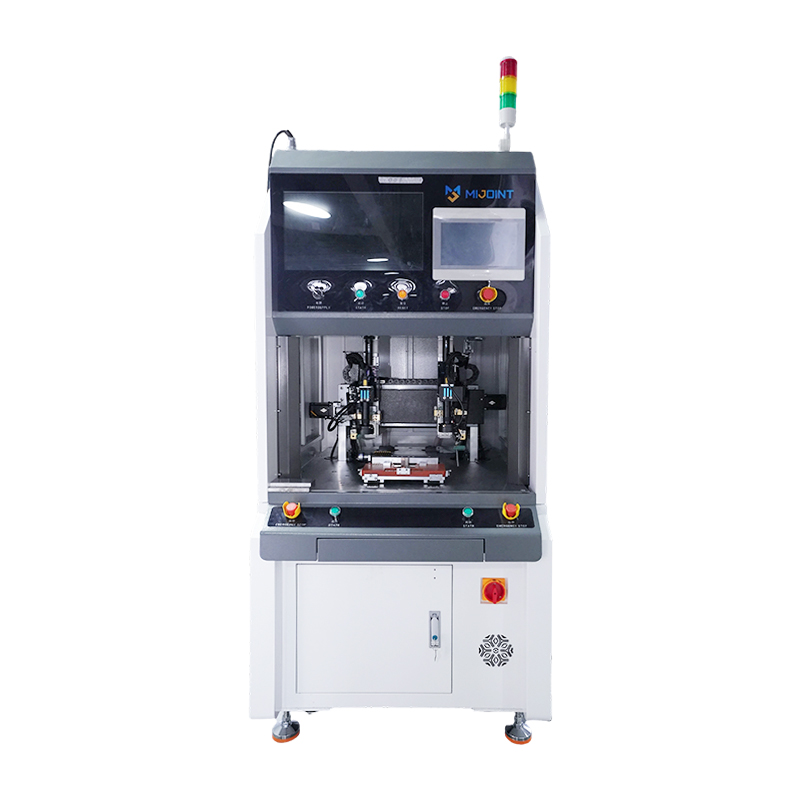
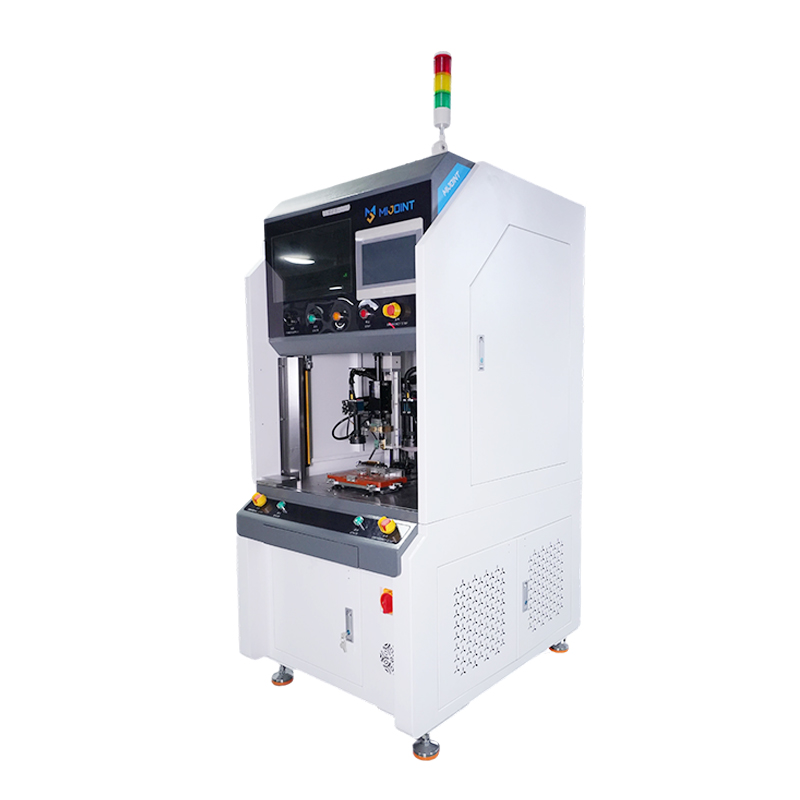
The precision resistance welding machine provided by Mijoint is designed for stable performance, high accuracy, and flexible production requirements. It is widely used in electronics, automotive components, and precision metal assembly industries.
Mijoint focuses on providing complete engineering solutions rather than standalone machines, ensuring each system is optimized for real production environments and long-term operational stability.
Get the Right Precision Resistance Welding Machine for Your Application
Choosing the right precision resistance welding machine is not only about matching technical parameters, but also about ensuring the equipment is properly designed for your real production environment. A well-matched system can significantly improve welding accuracy, reduce defect rates, and enhance overall manufacturing efficiency.
If you are looking for a stable and high-precision solution, working with an experienced manufacturer is the most reliable way to avoid selection risks and ensure long-term performance.
As a professional automation equipment supplier, Mijoint focuses on delivering customized welding and wire processing solutions for global industrial customers. With strong engineering capability and practical production experience, we help customers design and configure the most suitable precision resistance welding machine based on their specific applications.
Our systems are widely used in electronics manufacturing, automotive components, and precision metal assembly industries. By combining stable control technology with flexible configuration design, Mijoint ensures consistent welding quality and long-term production reliability.
If you are planning to upgrade your production line or evaluate a new precision resistance welding machine, our technical team can provide customized recommendations based on your process requirements.
FAQ About Precision Resistance Welding Machine
Q1: What is a precision resistance welding machine used for?
A precision resistance welding machine is used for high-accuracy metal joining applications in electronics, automotive, and precision manufacturing industries.
Q2: What makes a precision resistance welding machine different?
It offers higher control accuracy in current, pressure, and timing, ensuring consistent and precise welding results.
Q3: Can a precision resistance welding machine handle different materials?
Yes, it can process materials like copper, aluminum, and stainless steel with proper parameter adjustment.
Q4: Is a precision resistance welding machine suitable for mass production?
Yes, especially for high-precision mass production where consistency and stability are required.
Q5: Why is supplier selection important for a precision resistance welding machine?
Because supplier capability affects machine performance, customization, and long-term technical support, ensuring stable production results.