Introduction
As automotive technology rapidly evolves toward electrification, intelligent driving, and connected vehicle systems, the demand for high-speed and highly reliable signal transmission solutions continues to grow. Modern vehicles integrate GPS navigation, radar sensors, cameras, infotainment modules, telematics systems, and autonomous driving technologies, all of which rely heavily on stable high-frequency data transmission. This has made FAKRA connectors critical components in automotive electronic systems.
Because automotive communication systems require exceptional signal integrity and long-term reliability, manufacturers face increasing pressure to improve assembly precision and product consistency. Traditional manual assembly processes are no longer suitable for modern automotive manufacturing because they often result in inconsistent quality, high labor dependency, and limited production efficiency.
This is why the automated FAKRA cable assembly line has become an essential solution for automotive cable manufacturers and wire harness suppliers. By integrating automated assembly, intelligent inspection, testing, and data management into a unified production platform, manufacturers can significantly improve efficiency while maintaining strict automotive quality standards.
Why Automotive Applications Require Specialized FAKRA Assembly Equipment
FAKRA connectors are specifically designed for high-frequency automotive communication systems. Compared with standard cable connectors, FAKRA products require much higher assembly precision and stricter quality control because they directly influence signal transmission stability and communication reliability inside vehicles. Poor assembly quality may lead to signal instability, communication interruption, or long-term performance issues.
Automotive applications also operate in harsh environments involving vibration, temperature fluctuations, humidity, and electromagnetic interference. An automated FAKRA cable assembly line helps manufacturers overcome these challenges by standardizing the production process and reducing human error. Automated systems ensure stable positioning accuracy, consistent crimping force, and reliable assembly quality during continuous production.
Another major challenge is product diversity. Automotive wire harnesses often involve different connector structures, shielding configurations, and cable specifications. Flexible automation systems allow manufacturers to handle multiple product models efficiently while maintaining high production consistency and stable delivery schedules.
Key Features of a High-performance Automated FAKRA Cable Assembly Line
A high-quality automated FAKRA cable assembly line should combine precision manufacturing, intelligent automation, flexible production capability, and advanced quality control into one integrated platform. One of the most important features is multi-process automation integration. Advanced systems combine cable preparation, crimping, connector assembly, welding, inspection, and packaging into a continuous workflow that improves efficiency and reduces manual handling.
Servo-driven motion systems provide stable positioning accuracy and repeatability during terminal insertion, crimping, and connector assembly. Automated feeding and material transfer systems also improve production stability by ensuring smooth movement of cables, connectors, and shielding materials throughout the production process.
Intelligent inspection systems are equally important. CCD and AOI technologies automatically inspect assembly quality and detect defects in real time. Many advanced systems also integrate laser processing functions such as laser aluminum foil cutting and laser spot welding to improve assembly precision and long-term manufacturing stability.
The Importance of Intelligent Inspection and Traceability
Quality control is one of the most important aspects of automotive cable manufacturing. Because FAKRA connectors are used in high-frequency communication systems, even small assembly deviations can affect electrical performance and signal transmission reliability. A modern automated FAKRA cable assembly line should therefore include comprehensive inspection capability throughout the production process.
Vision inspection systems automatically verify component positioning, assembly orientation, dimensional accuracy, and surface quality during operation. Electrical testing systems also play a critical role by verifying conductivity, insulation performance, and signal integrity before shipment. Some advanced systems further integrate force monitoring and displacement compensation technologies to maintain stable crimping quality during high-speed production.
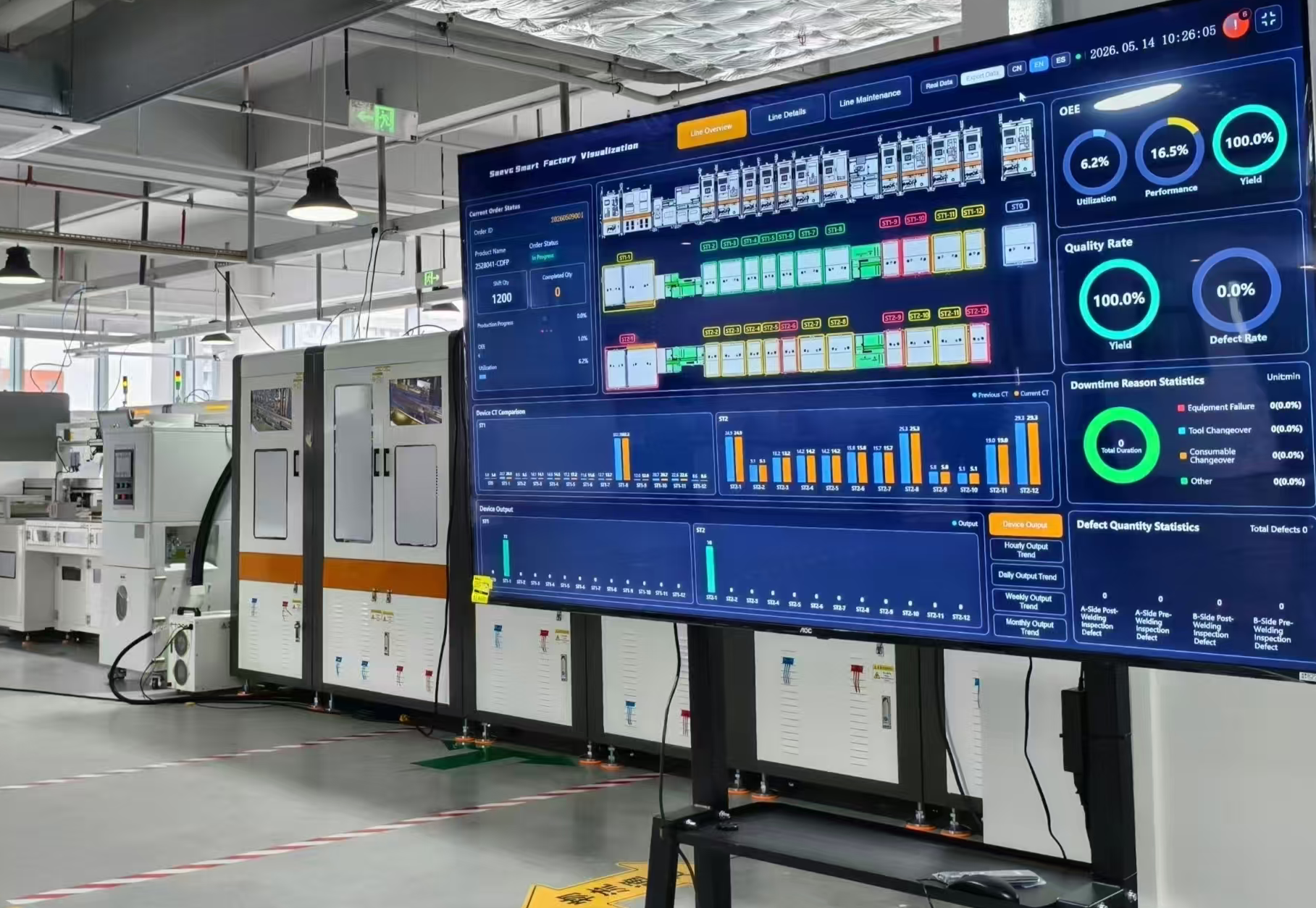
Traceability is equally important in automotive manufacturing. Intelligent automation systems can automatically record assembly parameters, inspection results, and production data for every product. Full lifecycle traceability helps manufacturers improve quality analysis, optimize production processes, and respond quickly to potential production abnormalities.
Flexibility and Scalability for Future Automotive Production
The automotive industry is changing rapidly as electric vehicles, intelligent driving systems, and connected car technologies continue developing. Manufacturers therefore need production systems capable of adapting to changing market demands and supporting future product upgrades. A flexible automated FAKRA cable assembly line allows manufacturers to support multiple product specifications while maintaining high production efficiency.
Rapid product switching is especially important for automotive suppliers producing different cable lengths, connector structures, and single-ended or double-ended wire harness products. Intelligent automation systems can store multiple production recipes and automatically adjust assembly parameters during changeovers, reducing setup time and minimizing production interruption.
Scalability is another major consideration. Modular automation platforms allow manufacturers to add process stations, inspection modules, or testing functions according to future production needs without replacing the entire line. This improves long-term investment value and helps manufacturers maintain production competitiveness as automotive technologies continue evolving.
Mijoint: Advanced Automation Solutions for FAKRA Cable Production
Mijoint is one of China’s leading manufacturers specializing in intelligent automation equipment for connector and wire harness production. The company focuses on delivering advanced automation systems that help automotive manufacturers improve assembly precision, production efficiency, and manufacturing stability.
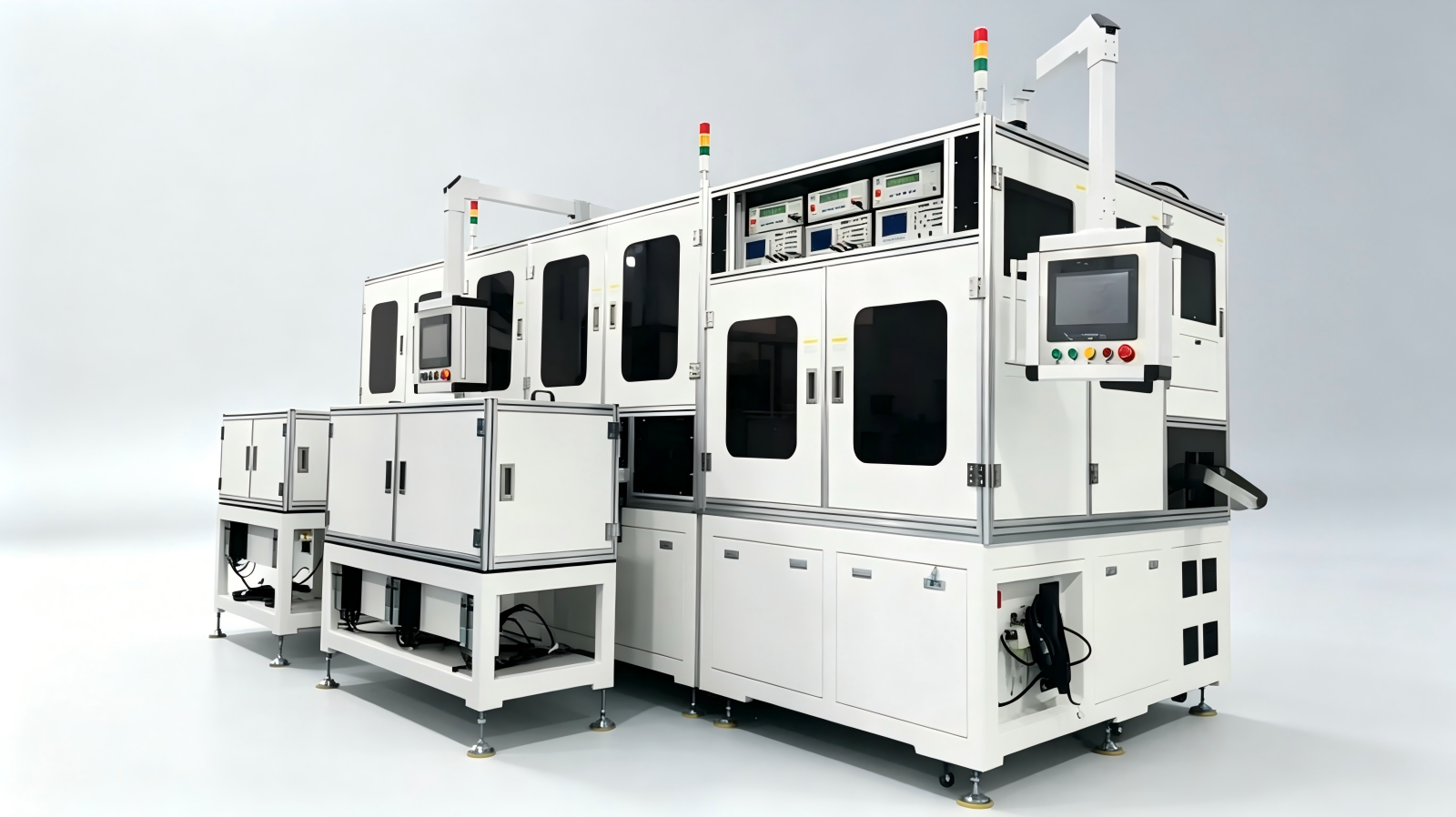
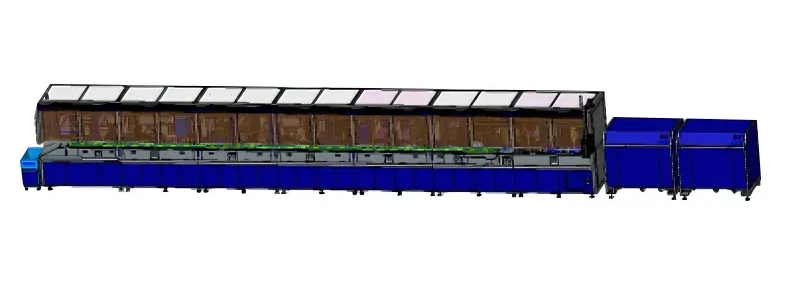
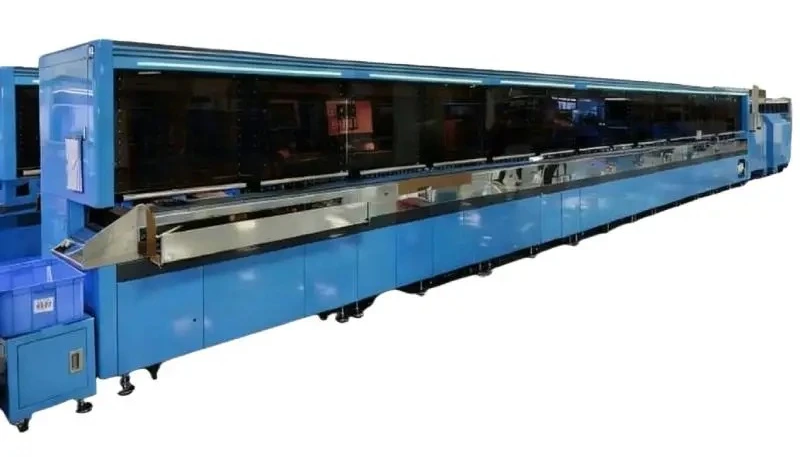
For automotive cable applications, Mijoint provides the Fakra Wire Harness Assembly & Inspection Equipment, a highly specialized automated FAKRA cable assembly line designed for complete wire harness assembly and inspection processes. The system supports fully automated assembly of FAKRA connectors, including terminals, housings, and secondary locks together with coaxial cables into completed wire harness products.
This automated FAKRA cable assembly line integrates wire winding, wire binding, cable sheath stripping, crimp ferrule crimping, braided sleeve processing, laser aluminum foil cutting, double-ended terminal crimping, outer conductor assembly, laser spot welding, and AOI inspection into one intelligent manufacturing platform. The equipment supports cycle times below 6 seconds and achieves highly stable production quality through vision-assisted process monitoring, crimp force control, intelligent inspection, and full lifecycle production traceability.
Conclusion
Choosing the right automated FAKRA cable assembly line is essential for manufacturers seeking to improve production efficiency, assembly precision, and product reliability in automotive cable manufacturing. As vehicles continue integrating advanced communication systems and intelligent technologies, the demand for high-quality FAKRA cable assemblies will continue growing.
Manufacturers should carefully evaluate factors such as production flexibility, inspection capability, scalability, process integration, and long-term operational stability before investing in automation equipment. If you are looking for advanced automated FAKRA cable assembly line solutions for automotive applications, contact Mijoint today to explore intelligent automation systems tailored to your future manufacturing requirements.
FAQ
Q1: What is an automated FAKRA cable assembly line used for?
An automated FAKRA cable assembly line is used for fully automated assembly, inspection, and testing of FAKRA wire harness products used in automotive communication systems.
Q2: Why is an automated FAKRA cable assembly line important in automotive manufacturing?
It improves assembly precision, signal transmission reliability, production efficiency, and quality consistency while reducing labor dependency.
Q3: Can an automated FAKRA cable assembly line support different product specifications?
Yes. Modern systems support multiple cable lengths, different connector structures, and flexible product switching through intelligent automation technology.
Q4: What inspection technologies are integrated into an automated FAKRA cable assembly line?
Common technologies include AOI inspection, CCD vision systems, crimp force monitoring, dimensional inspection, displacement compensation, and electrical testing.
Q5: How does an automated FAKRA cable assembly line improve production efficiency?
It enables continuous automated production, minimizes manual intervention, shortens cycle time, reduces defects, and improves overall manufacturing stability.