Common Challenges in Selecting an Automatic Hot Bar Soldering Machine
In modern electronics manufacturing, flexible circuits, FPC/FFC connections, and precision component assembly require extremely stable soldering quality. However, selecting a suitable automatic hot bar soldering machine is often challenging because of strict requirements for temperature control, pressure accuracy, and alignment precision.
One of the most common problems is unstable soldering quality. If temperature distribution is uneven or pressure control is inconsistent, it can easily lead to weak bonding, overheating, or damage to sensitive electronic components. This is especially critical in high-density circuit applications where even minor defects can affect product performance.
Another challenge is process mismatch. Different products such as FPC, FFC, LCD modules, and PCB assemblies require different bonding conditions. Without a properly configured automatic hot bar soldering machine, manufacturers often face low yield rates and inconsistent production results.
In addition, many buyers underestimate the importance of automation level and system integration. Manual or semi-automatic setups may not provide the stability required for high-volume production, while overly complex systems may increase cost without improving efficiency.
Because of these challenges, a structured selection approach is essential to ensure stable soldering quality and long-term production reliability.
A Practical Guide to Selecting an Automatic Hot Bar Soldering Machine
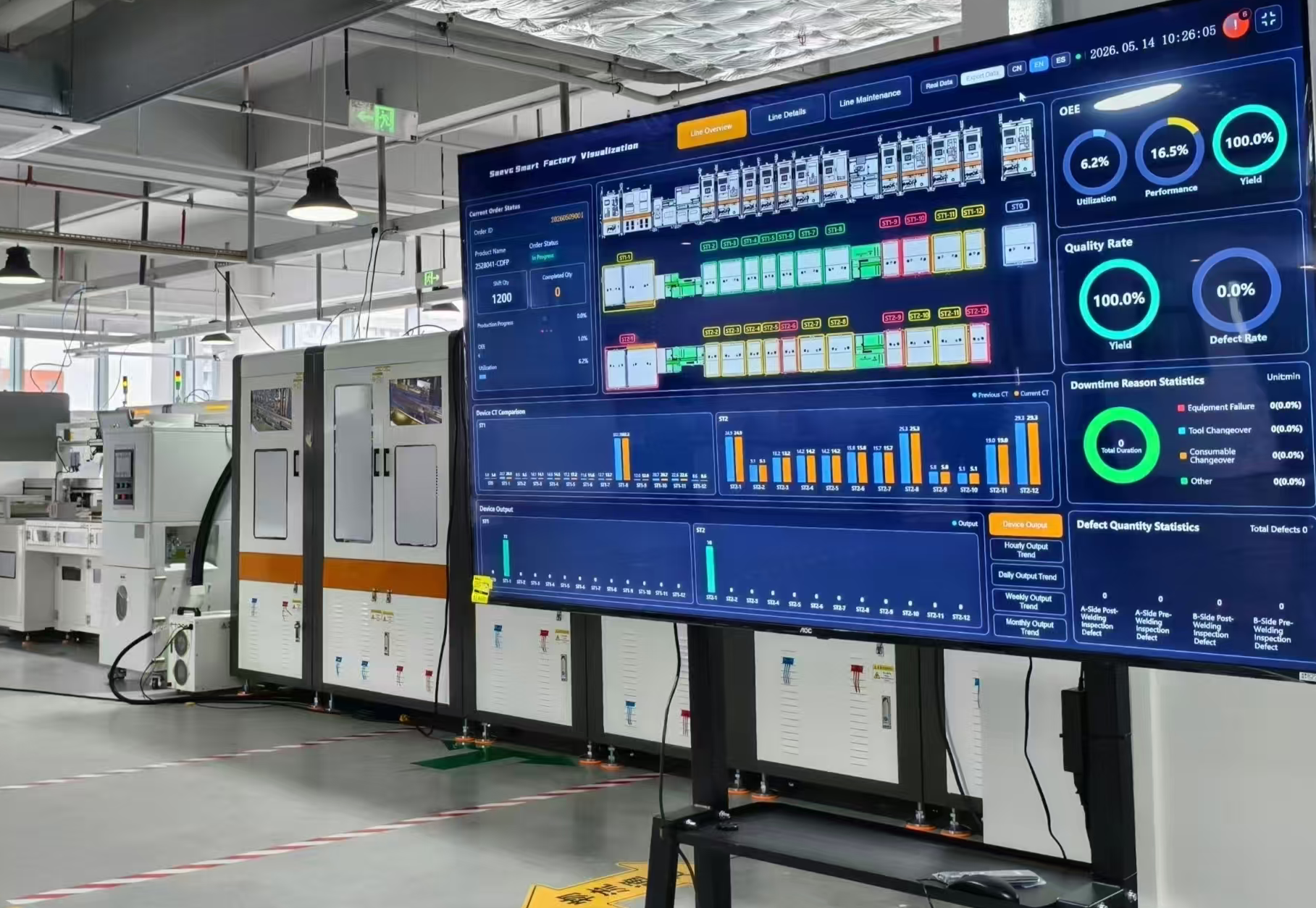
An automatic hot bar soldering machine is a precision thermal bonding system that uses controlled heat and pressure to connect flexible circuits and fine-pitch electronic components. It is widely used in industries such as consumer electronics, automotive electronics, medical devices, and display manufacturing.
Unlike traditional soldering methods, hot bar soldering requires precise coordination of temperature, pressure, and time to ensure stable electrical and mechanical connections. Therefore, selecting the right system is not only about machine specifications but also about process compatibility and production stability.
A well-selected automatic hot bar soldering machine improves product yield, reduces rework rates, and ensures consistent soldering quality in high-volume production environments.
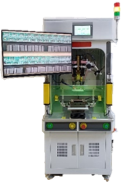
1. Understanding Your Application Requirements
Before selecting an automatic hot bar soldering machine, it is important to clearly define your product and process requirements. This ensures the system is properly matched to your production needs.
1.1 Product Type and Material Characteristics
Different products such as FPC, FFC, PCB, and LCD modules require different thermal and pressure conditions. A suitable automatic hot bar soldering machine must support adjustable temperature profiles and pressure control to handle these variations.
For heat-sensitive materials, precise thermal control is essential to avoid damage while ensuring strong bonding performance.
1.2 Precision and Alignment Requirements
High-density electronic components require extremely accurate alignment between electrodes and bonding points. Even small deviations can lead to poor contact or circuit failure.
A high-quality automatic hot bar soldering machine must ensure stable positioning and repeatable accuracy during every production cycle.
1.3 Production Volume and Cycle Time
Production demand directly affects machine selection. High-volume manufacturing requires fast cycle time, stable automation, and continuous operation capability.
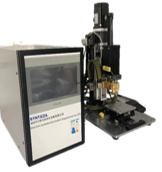
A desktop system may be suitable for R&D or small batch production, while industrial dual-station or high-power systems are better for mass production environments.
1.4 Automation Level Requirements
Automation level determines production stability and labor efficiency. Fully automatic systems are ideal for large-scale standardized production, while semi-automatic or desktop machines are better for flexible or prototype manufacturing.
Choosing the right automation level ensures a balance between cost, efficiency, and production flexibility.
2. Key Selection Factors for an Automatic Hot Bar Soldering Machine
Once requirements are defined, the next step is evaluating system performance and technical capability.
2.1 Temperature Control Accuracy
Temperature control is the core of any automatic hot bar soldering machine. Stable and uniform heating ensures consistent soldering quality and prevents component damage.
Precise thermal control systems help maintain stable bonding results across different materials and production batches.
2.2 Pressure Control Stability
Consistent pressure ensures strong and reliable bonding between components. Uneven pressure can lead to weak joints or mechanical stress damage.
A high-quality system must provide precise and adjustable pressure control to match different application requirements.
2.3 Process Repeatability
Repeatability is critical in electronics manufacturing. The automatic hot bar soldering machine must deliver identical soldering results across thousands of cycles without deviation.
High repeatability ensures stable product quality and reduces defect rates in mass production.
2.4 System Flexibility and Compatibility
Modern production environments require flexibility to handle different product types. A good system should support quick changeover between different fixtures, products, and process parameters.
This flexibility improves production efficiency and reduces downtime.
3. Cost Efficiency and Long-term Value
When evaluating cost, it is important to consider more than just the initial investment. The real value of an automatic hot bar soldering machine lies in its long-term production stability and efficiency.
A high-quality system improves yield rate, reduces rework, and minimizes material waste. In addition, stable automation reduces labor dependency and increases production efficiency.
Over time, these benefits significantly improve return on investment and reduce overall production costs.
4. Choosing the Right Supplier for an Automatic Hot Bar Soldering Machine
Supplier capability plays a key role in ensuring long-term production success. A reliable supplier provides not only equipment but also process optimization and technical support.
4.1 What to Look for in a Supplier
A qualified supplier should offer:
· Strong R&D and engineering capability
· Experience in electronic soldering applications
· Customization ability for different products
· Stable after-sales service and technical support
· Reliable equipment performance and maintenance support
These factors ensure stable production and long-term reliability.
4.2 Mijoint Hot Bar Soldering Solutions
Mijoint is a professional automation equipment manufacturer specializing in precision soldering and electronic assembly solutions. With strong engineering capability and extensive application experience, Mijoint provides reliable systems for global customers.
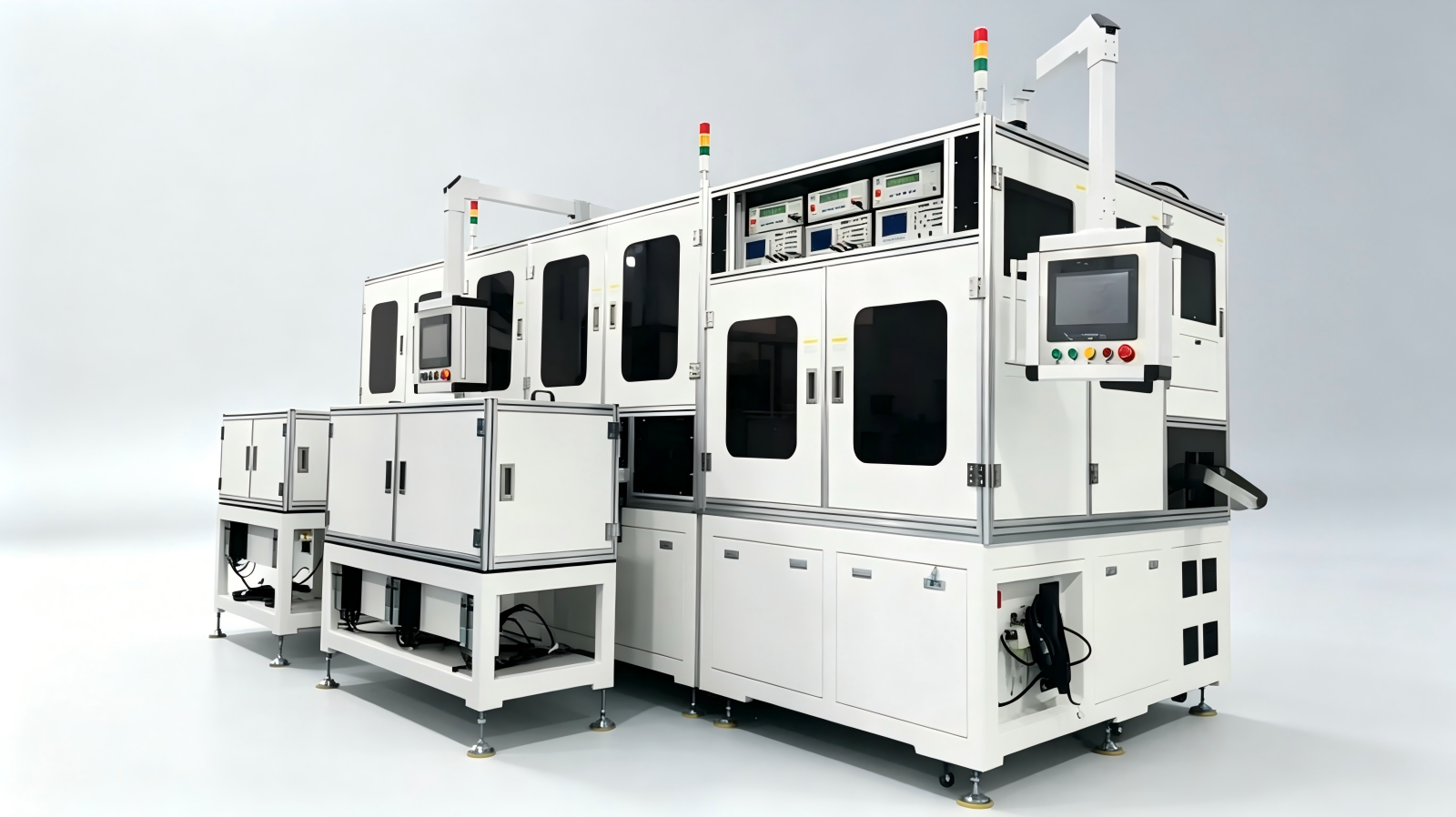
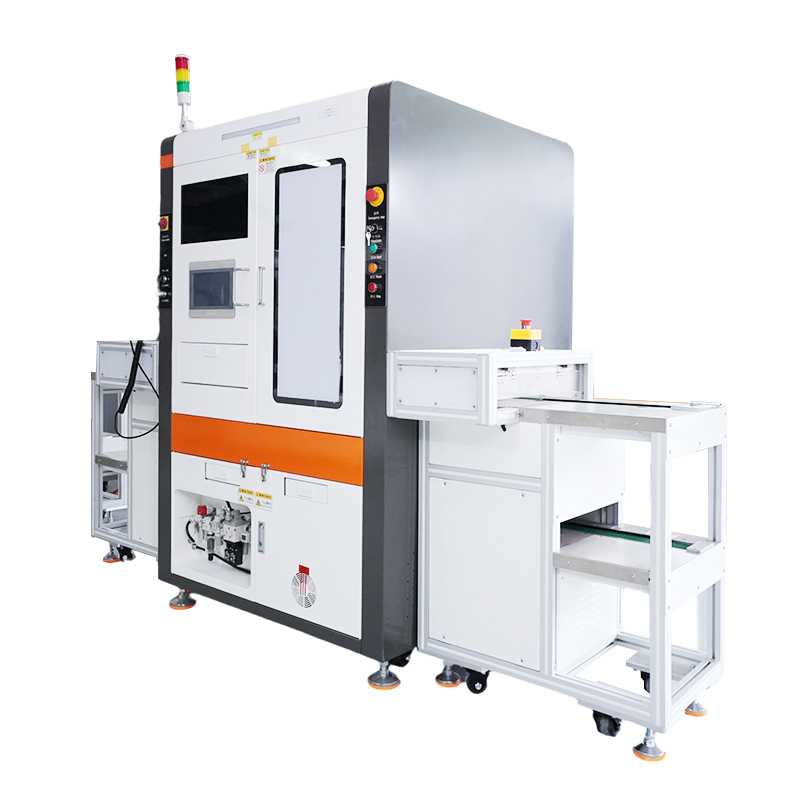
Mijoint offers a full range of Automatic Hot Bar Soldering Machine solutions to meet different production needs:
· High Power Hot Bar Soldering Machine
· Desktop Hot Bar Welding Machine
· Dual Station Hot Bar Soldering Machine
These systems are widely used in FPC/FFC bonding, consumer electronics assembly, automotive electronics, and precision component manufacturing. By combining stable thermal control with flexible automation design, Mijoint ensures consistent soldering quality and high production efficiency.
Get the Right Automatic Hot Bar Soldering Machine for Your Production
Choosing the right automatic hot bar soldering machine requires careful evaluation of product requirements, process precision, and automation level. A well-matched system can significantly improve soldering stability, reduce defect rates, and enhance production efficiency.
If you are planning to upgrade your soldering process or build a new production line, working with an experienced manufacturer is the most effective way to ensure long-term stability and performance.
Mijoint provides customized solutions based on real production needs, helping customers select the most suitable system for their application.
FAQ About Automatic Hot Bar Soldering Machine
Q1: What is an automatic hot bar soldering machine used for?
An automatic hot bar soldering machine is used for bonding FPC, FFC, PCB, and other precision electronic components with controlled heat and pressure.
Q2: What industries use automatic hot bar soldering machines?
It is widely used in consumer electronics, automotive electronics, medical devices, and display manufacturing industries.
Q3: What affects soldering quality in an automatic hot bar soldering machine?
Temperature accuracy, pressure stability, and alignment precision are the key factors affecting soldering quality.
Q4: Is an automatic hot bar soldering machine suitable for mass production?
Yes, especially dual-station and high-power models designed for high-volume and stable production environments.
Q5: Why choose Mijoint for an automatic hot bar soldering machine?
Mijoint provides customized solutions, stable performance systems, and strong technical support for different industrial applications.