Common Challenges in Selecting High-speed Cable Processing Equipment
In modern wire harness, communication cable, automotive wiring, and industrial cable manufacturing, production efficiency and processing accuracy are critical. However, selecting suitable high-speed cable processing equipment is often more complex than expected.
One of the most common challenges is balancing speed and precision. Many manufacturers aim for higher throughput but fail to maintain consistent stripping, cutting, or terminal accuracy. This leads to unstable product quality and increased rework rates.
Another issue is process compatibility. Different cable types—such as high-speed data cables, automotive cables, and industrial signal wires—require different processing methods. Without properly configured high-speed cable processing equipment, production lines often face instability and frequent adjustments.
In addition, many buyers underestimate system scalability. A fixed configuration may meet current needs but fail to support future production expansion, resulting in additional investment later.
Because of these challenges, selecting the right system requires a structured evaluation approach focused on efficiency, stability, and long-term adaptability.
A Practical Guide to Selecting High-speed Cable Processing Equipment
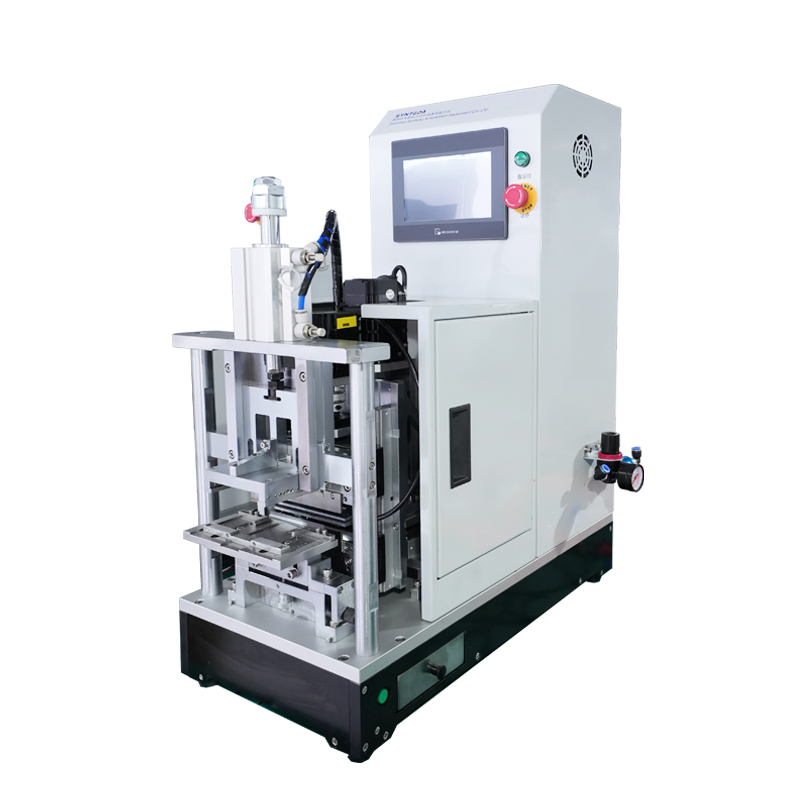
High-speed cable processing equipment is an integrated automation system designed to handle cable cutting, stripping, preparation, and sometimes assembly in a continuous high-efficiency workflow. It is widely used in automotive wiring, communication cables, consumer electronics, and industrial wire harness production.
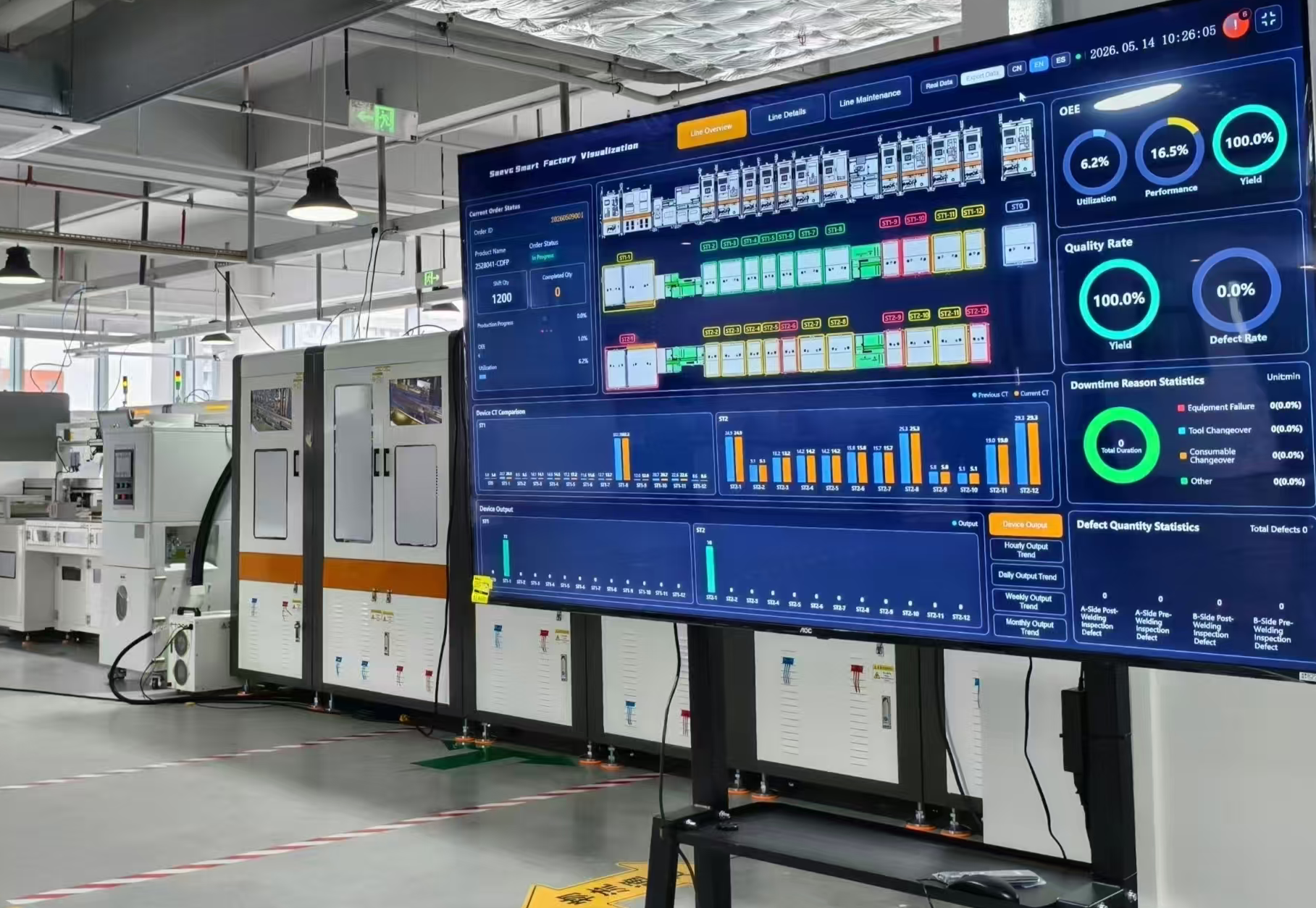
Unlike traditional standalone machines, modern high-speed cable processing equipment focuses on system integration, automation level, and process consistency. Therefore, selection should not only focus on individual machine performance but also on overall production efficiency and long-term scalability.
A well-chosen system improves production speed, reduces labor dependency, and ensures consistent cable quality across large-scale manufacturing.
1. Understanding Your Production Requirements
Before selecting high-speed cable processing equipment, it is important to clearly define production needs. This ensures the system matches your real manufacturing environment.
1.1 Cable Type and Complexity
Different cables require different processing techniques. High-speed data cables, automotive harnesses, and industrial wires all have different structural and material characteristics.
A suitable high-speed cable processing equipment must support flexible configuration to handle multiple cable types without sacrificing accuracy.
1.2 Production Volume and Efficiency Target
Production capacity directly determines equipment selection. High-volume manufacturing requires continuous operation, fast cycle time, and minimal downtime.
A well-designed high-speed cable processing equipment system should maintain stable output even under long production cycles.
1.3 Process Integration Requirements
Modern cable manufacturing often includes multiple steps such as cutting, stripping, marking, and preparation.
Integrated high-speed cable processing equipment ensures smooth workflow between processes, reducing manual handling and improving efficiency.
1.4 Future Expansion Capability
Manufacturers should also consider future production growth. A scalable system allows additional modules or upgraded functions without replacing the entire line.
This makes high-speed cable processing equipment a long-term investment rather than a short-term solution.
2. Key Selection Factors for High-speed Cable Processing Equipment
Once requirements are defined, the next step is evaluating technical performance and system capability.
2.1 Processing Speed and Stability
Speed is important, but stability is more critical. high-speed cable processing equipment must maintain consistent quality even during continuous high-speed operation.
Unstable systems often lead to uneven stripping, inaccurate cutting, or inconsistent preparation quality.
2.2 Precision Control System
Precision determines final product quality. A high-quality system ensures accurate cutting length, stripping depth, and positioning control.
This is especially important for high-speed data and communication cables.
2.3 Automation Level and Intelligence
Modern high-speed cable processing equipment often includes intelligent control systems that reduce manual intervention and improve consistency.
Higher automation levels lead to lower labor costs and more stable production output.
2.4 System Reliability and Maintenance
Long-term reliability is essential for continuous production environments. Equipment should be designed for stable operation with minimal downtime and easy maintenance access.
3. Cost Efficiency and Long-term Value
When evaluating high-speed cable processing equipment, cost should not only be considered from the initial purchase perspective.
A high-performance system reduces labor dependency, improves yield rate, and minimizes material waste. These factors significantly reduce long-term operational costs.
In addition, stable automation reduces production interruptions and ensures consistent output quality, improving overall return on investment.
4. Choosing the Right Supplier for High-speed Cable Processing Equipment
Supplier capability is a key factor in ensuring system success. A reliable supplier provides not only equipment but also engineering support and long-term service.
4.1 What to Look for in a Supplier
A qualified supplier of high-speed cable processing equipment should provide:
· Strong engineering and R&D capability
· Experience in cable processing automation
· Flexible customization for different cable types
· Stable after-sales support and maintenance service
· Scalable system design for future expansion
4.2 Mijoint Cable Processing Automation Solutions
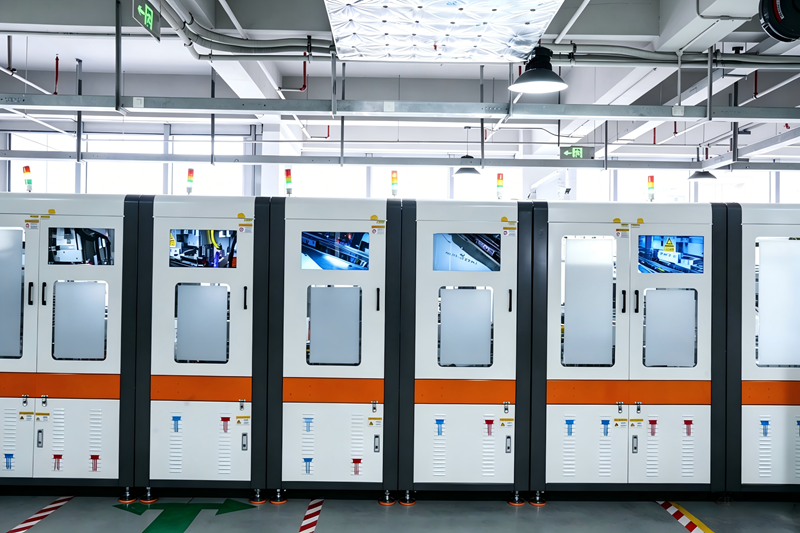
Mijoint is a professional automation equipment manufacturer specializing in high-speed cable processing and intelligent production systems. With strong engineering capability and extensive industry experience, Mijoint provides reliable solutions for global cable manufacturing customers.
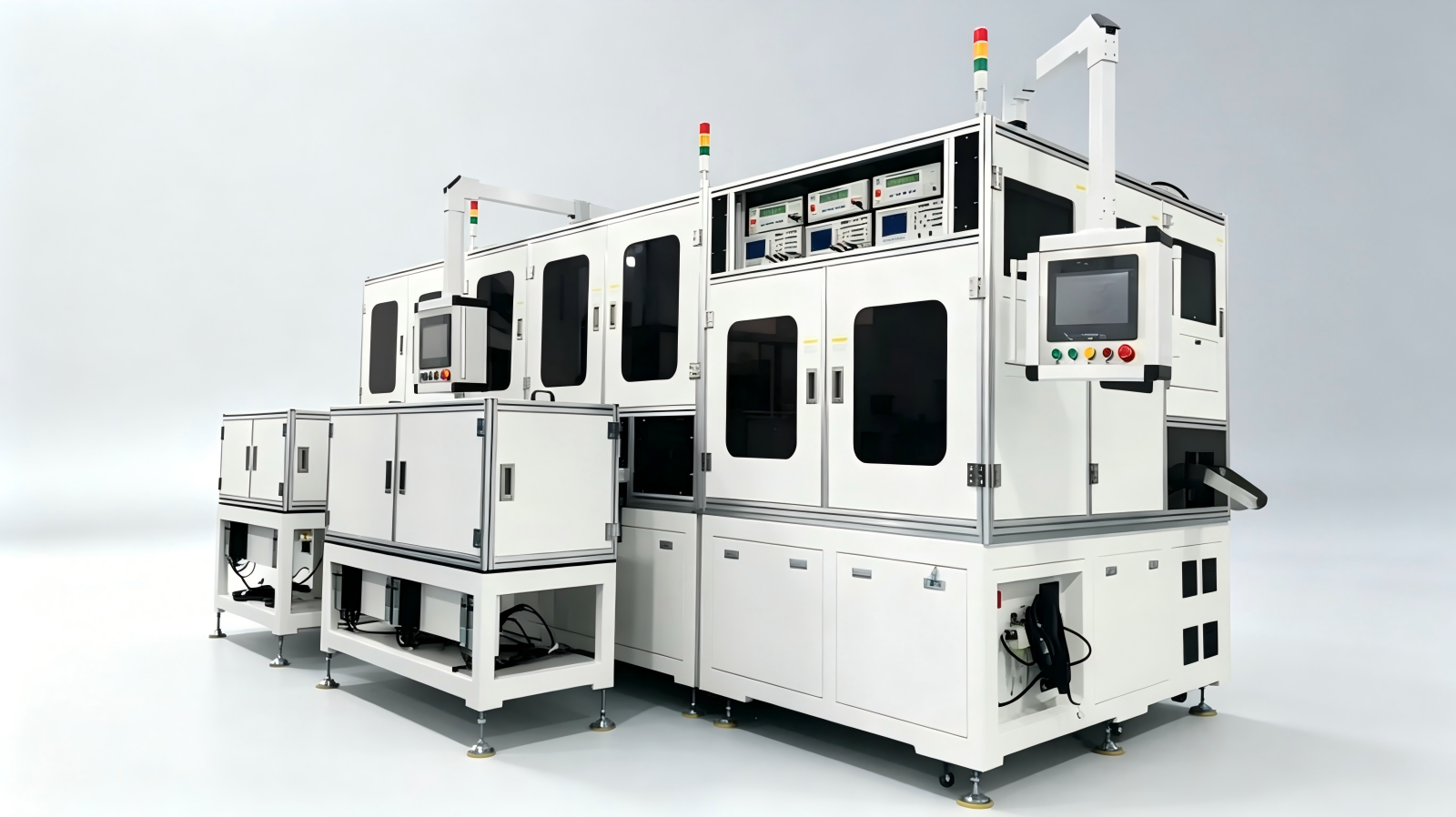
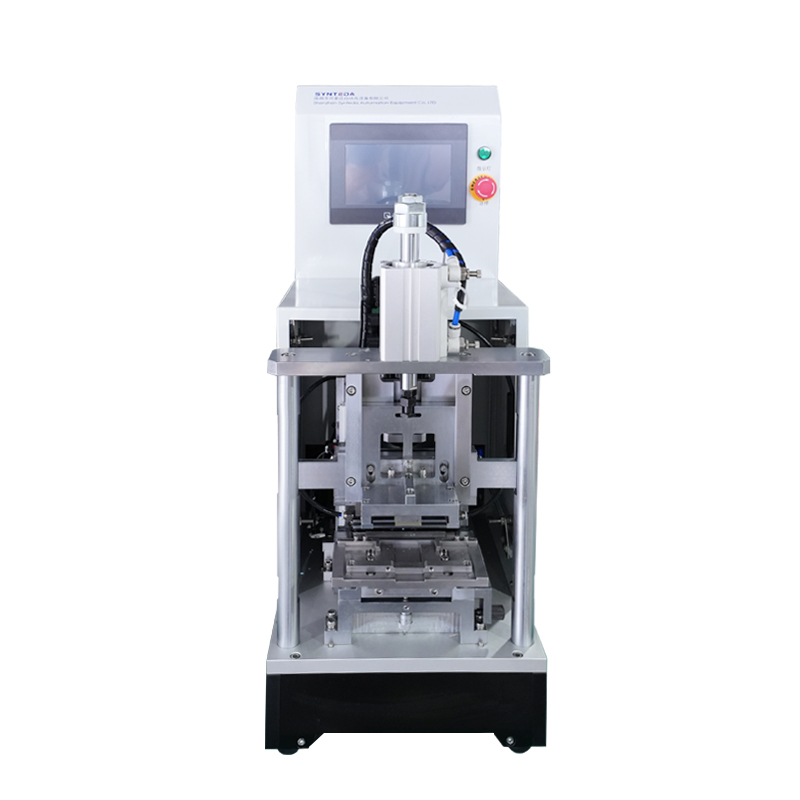
Mijoint offers a complete range of high-speed cable processing equipment solutions:
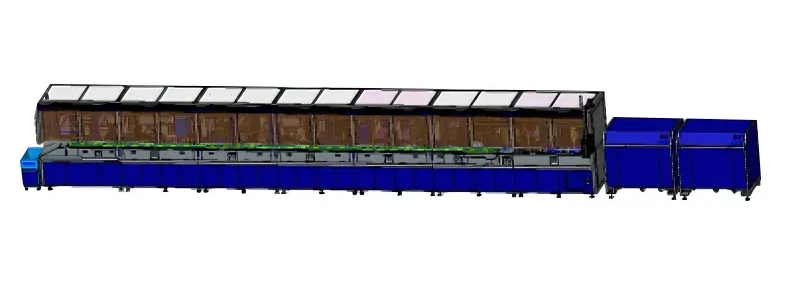
· MCIOwire preparing automated line
These systems are widely used in communication cables, automotive wiring, and industrial wire harness production. By combining high-speed processing technology with flexible automation design, Mijoint ensures stable output, high efficiency, and long-term production reliability.
Get the Right High-speed Cable Processing Equipment for Your Production
Choosing the right high-speed cable processing equipment requires careful evaluation of production requirements, process complexity, and system scalability. A well-matched system can significantly improve efficiency, reduce labor costs, and ensure stable product quality.
If you are planning to upgrade your cable processing line or build a new automated production system, working with an experienced manufacturer is the most effective way to ensure long-term stability and performance.
Mijoint provides customized solutions based on real production needs, helping customers select the most suitable high-speed cable processing equipment for their applications.
FAQ About High-speed Cable Processing Equipment
Q1: What is high-speed cable processing equipment used for?
High-speed Cable Processing Equipment is used for automated cable cutting, stripping, and preparation in wire harness and cable manufacturing industries.
Q2: What industries use high-speed cable processing equipment?
It is widely used in automotive wiring, communication cables, consumer electronics, and industrial cable production.
Q3: What affects the efficiency of high-speed cable processing equipment?
Processing speed, precision control, automation level, and system stability all affect overall efficiency.
Q4: Can high-speed cable processing equipment handle different cable types?
Yes, modern systems support flexible configuration for different cable structures and materials.
Q5: Why choose Mijoint for high-speed cable processing equipment?
Mijoint provides customized solutions, stable automation systems, and strong engineering support for cable manufacturing industries.