Introduction: Why Flexibility Matters in Modern Manufacturing
In today’s rapidly evolving manufacturing environment, flexibility has become just as important as efficiency. Companies are no longer producing a single product in large volumes; instead, they must handle multiple product variants, shorter life cycles, and frequent design changes. Traditional fixed automation systems often struggle to adapt to these dynamic requirements, leading to inefficiencies and increased operational costs.
A flexible automated assembly machine addresses these challenges by offering adaptability and scalability within a single system. Unlike rigid production lines designed for one specific product, flexible systems can be quickly reconfigured to handle different components, processes, and production volumes. This allows manufacturers to respond more effectively to changing market demands without significant downtime or investment in new equipment.
As industries move toward smart manufacturing and mass customization, the ability to switch between products efficiently becomes a key competitive advantage. A flexible automated assembly machine not only improves production efficiency but also enhances responsiveness, making it an essential solution for modern manufacturing operations.
What Is a Flexible Automated Assembly Machine?
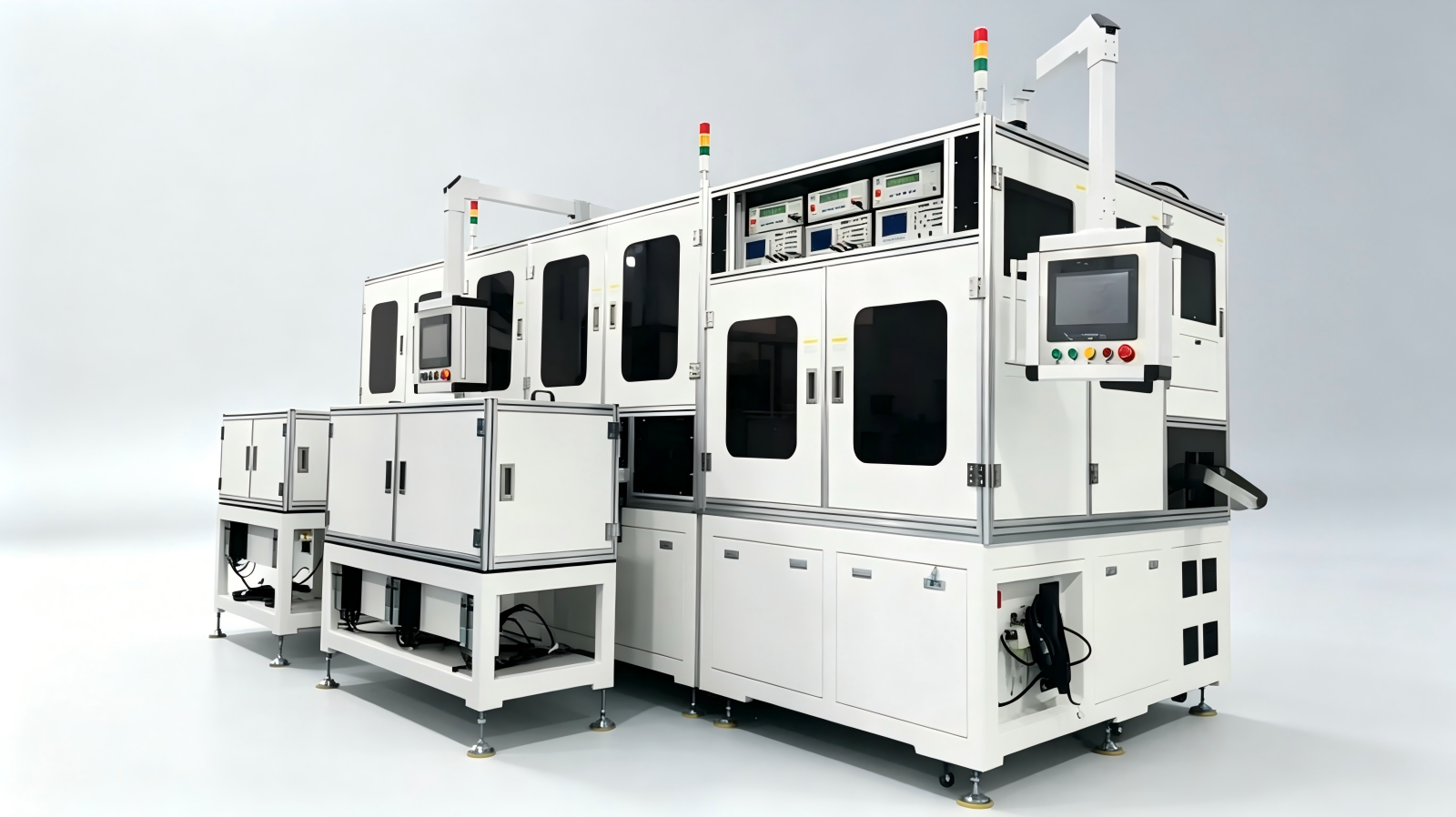
A flexible automated assembly machine is an advanced production system designed to assemble components automatically while allowing easy adaptation to different products and processes. It combines automation technologies such as robotics, modular fixtures, programmable control systems, and intelligent software to create a highly adaptable manufacturing solution.
Unlike traditional assembly machines that are built for a single purpose, a flexible automated assembly machine can handle multiple product types with minimal adjustments. This is achieved through modular design, where different functional units can be added, removed, or reconfigured based on production needs. For example, the same system can assemble different connectors, cables, or electronic components by changing tooling and program settings.
Another key characteristic is programmability. Operators can quickly switch production parameters through software, reducing setup time and improving efficiency. This makes the system ideal for industries with high product variability and frequent changes. Overall, a flexible automated assembly machine provides a balance between automation efficiency and production flexibility.
How Does a Flexible Automated Assembly Machine Work?
A flexible automated assembly machine operates by integrating multiple automated processes into a coordinated and programmable system. The process begins with feeding components into the machine, which can be done using conveyors, feeders, or robotic systems. Each component is then positioned accurately using fixtures or vision-guided systems.
Once the components are in place, the assembly process is carried out through a series of automated steps. These may include insertion, fastening, welding, soldering, or testing, depending on the product requirements. Each step is controlled by a central system that ensures synchronization and precision throughout the process.
One of the defining features of a flexible automated assembly machine is its ability to adapt to different tasks. By adjusting software programs and changing modular tooling, the machine can switch between different products without extensive reconfiguration. This significantly reduces downtime and improves production efficiency.
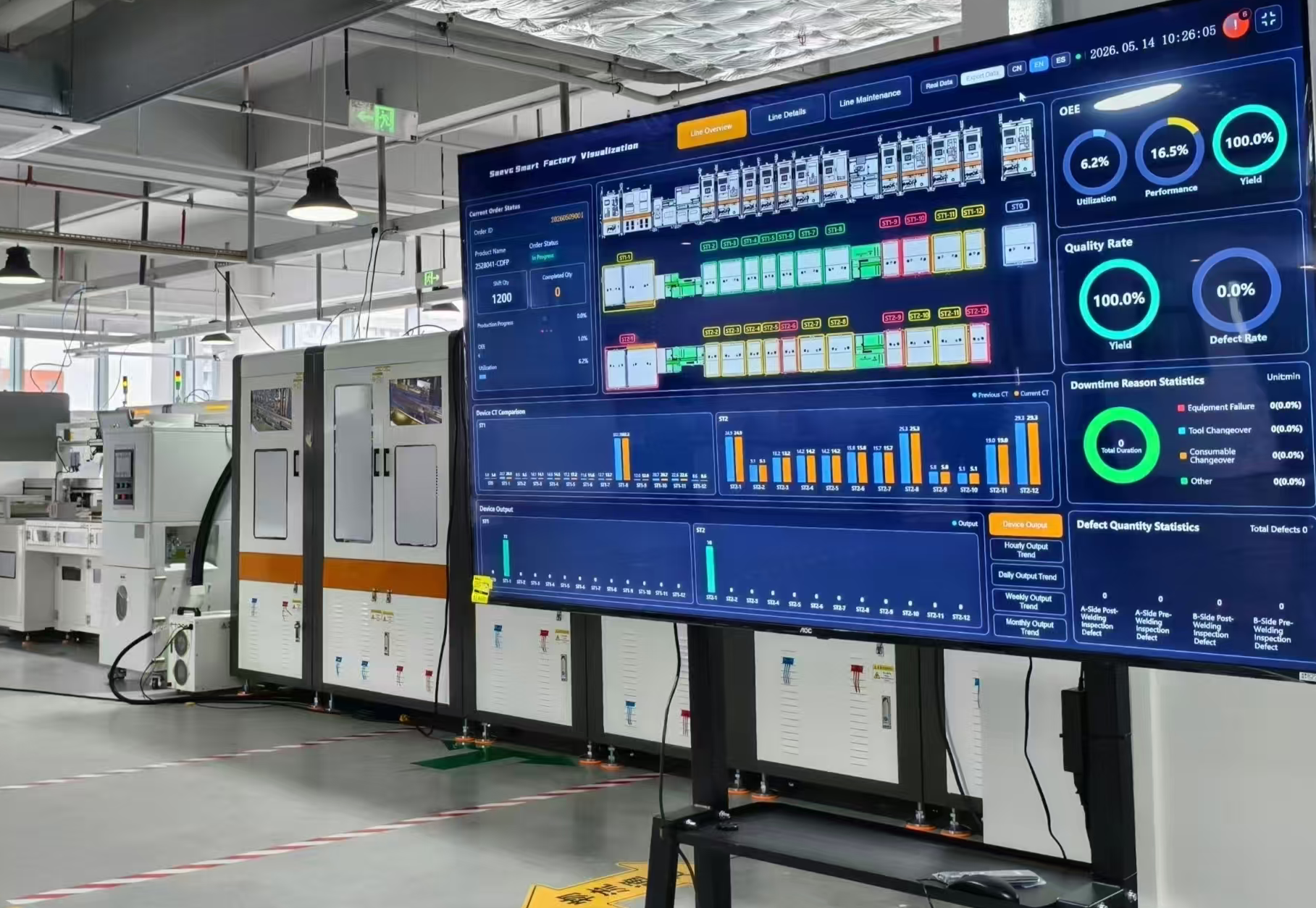
Advanced systems also incorporate sensors and data monitoring capabilities. These features allow real-time tracking of production performance and enable predictive maintenance. As a result, manufacturers can maintain high levels of productivity while minimizing disruptions and ensuring consistent quality.
Key Features of a Flexible Automated Assembly Machine
Modular Design
The system is built with interchangeable modules that can be configured to perform different functions. This allows manufacturers to customize the machine according to their production requirements and easily upgrade it as needs change. Modular design also simplifies maintenance and reduces downtime, as individual components can be replaced or adjusted without affecting the entire system.
Programmable Control System
The programmable control system allows operators to set and adjust process parameters through software. This includes settings for speed, positioning, and operation sequences. By using programmable logic controllers and user-friendly interfaces, manufacturers can quickly switch between different production tasks.
Robotics and Automation Integration
Modern systems often include robotic arms and automated handling systems. These components improve precision and reduce manual intervention. Robots can perform repetitive tasks with high accuracy, ensuring consistent results across large production volumes. Integration with other automation technologies further enhances system performance.
Vision Inspection Systems
Vision systems use cameras and advanced algorithms to inspect components during the assembly process. They help detect defects, ensure correct positioning, and improve overall quality. By integrating inspection into the assembly process, manufacturers can identify and correct issues in real time.
When Should You Use a Flexible Automated Assembly Machine?
A flexible automated assembly machine is particularly useful in scenarios where production requirements are dynamic and varied. One of the main situations is when manufacturers need to produce multiple product variants. Instead of investing in separate machines for each product, a single flexible system can handle different configurations efficiently.
Another scenario is when production volumes fluctuate. Traditional systems are often optimized for high-volume production, making them less efficient for smaller batches. A flexible automated assembly machine can adjust to different production scales, ensuring optimal performance regardless of volume.
Frequent product updates or design changes also make flexible systems a valuable investment. Industries such as electronics and automotive often introduce new models or features, requiring quick adaptation in production. A flexible system allows manufacturers to implement these changes without significant downtime.
Additionally, companies transitioning toward smart manufacturing can benefit from the advanced capabilities of flexible systems. Integration with data management and monitoring tools enables better decision-making and continuous improvement.
Benefits of Using a Flexible Automated Assembly Machine
Using a flexible automated assembly machine offers several advantages that directly impact production efficiency and competitiveness. One of the key benefits is reduced downtime. The ability to switch between products quickly minimizes delays and keeps production running smoothly.
Another advantage is cost efficiency. Although the initial investment may be higher, the ability to handle multiple products with a single system reduces the need for additional equipment. This leads to long-term cost savings and improved return on investment.
Improved quality is also a significant benefit. Automation ensures consistent assembly processes, reducing variability and defects. Integrated inspection systems further enhance quality control by detecting issues early in the process.
Finally, scalability is an important advantage. As production needs grow, manufacturers can expand the system by adding modules or upgrading components. This makes a flexible automated assembly machine a future-proof solution that supports long-term business growth.
Applications of Flexible Automated Assembly Machine
Flexible automated assembly machines are widely used across various industries due to their versatility and adaptability. In the automotive industry, they are used for assembling wiring harnesses, connectors, and electronic modules that require high precision and reliability.
In the electronics industry, these machines support the assembly of complex components such as circuit boards and connectors. The ability to handle small and delicate parts makes them ideal for this sector.
Industrial automation is another key application area. Flexible systems are used to assemble components for machinery and equipment, ensuring consistent quality and performance. In addition, they are increasingly used in emerging industries such as new energy and smart devices, where product diversity and innovation are high.
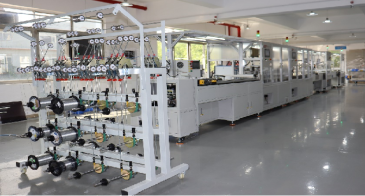
Mijoint’s Flexible Automated Assembly Solutions
Mijoint is a professional automation systems integrator specializing in advanced assembly solutions. The company provides high-performance flexible automated assembly machine systems designed to meet the demands of modern manufacturing.
By combining modular design, robotics, and intelligent control systems, Mijoint delivers solutions that improve efficiency, reduce costs, and enhance production flexibility. Its systems are widely used in automotive wiring harness, connector assembly, and electronic manufacturing industries.
With strong R&D capabilities and extensive experience, Mijoint offers customized solutions tailored to specific production requirements. The company focuses on helping customers achieve scalable and intelligent manufacturing.
Conclusion
A flexible automated assembly machine is an essential solution for modern manufacturing, offering adaptability, efficiency, and high-quality production. It enables manufacturers to respond quickly to changing demands and maintain a competitive edge.
FAQ About Flexible Automated Assembly Machine
Q1: What is a flexible automated assembly machine used for?
A flexible automated assembly machine is used to automate the assembly of various components while allowing quick adaptation to different products. It improves efficiency and ensures consistent quality.
Q2: How does a flexible automated assembly machine improve production efficiency?
A flexible automated assembly machine improves efficiency by reducing setup time, automating repetitive tasks, and enabling quick product changeovers.
Q3: What are the advantages of a flexible automated assembly machine?
A flexible automated assembly machine offers advantages such as adaptability, reduced downtime, improved quality, and cost efficiency.
Q4: When should you use a flexible automated assembly machine?
A flexible automated assembly machine should be used when production involves multiple product types, frequent changes, or varying production volumes.
Q5: Which industries use a flexible automated assembly machine the most?
Industries such as automotive, electronics, and industrial automation widely use flexible automated assembly machines for efficient and adaptable production.