Introduction
In modern manufacturing industries such as automotive electronics, communication systems, and industrial automation, cable processing is required to meet higher standards of precision, stability, and production efficiency. As product complexity increases and production cycles shorten, traditional manual or semi-automatic processes are no longer sufficient for large-scale manufacturing.
A High-speed Cable Assembly Line is an integrated automation system that connects multiple precision processing stages into a continuous production workflow. It improves production speed, ensures consistent quality, and reduces dependency on manual operations.
What Is a High-speed Cable Assembly Line?
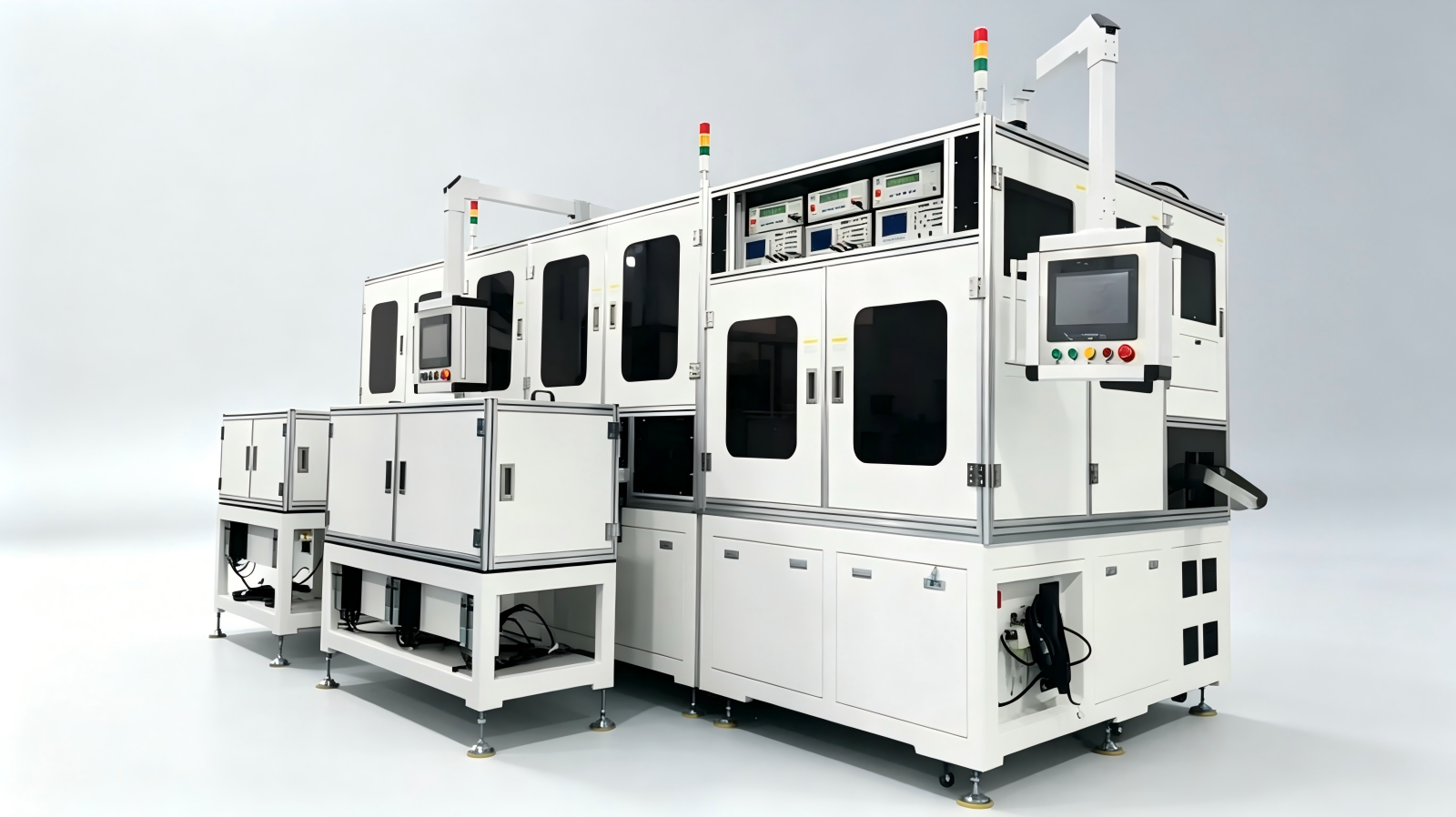
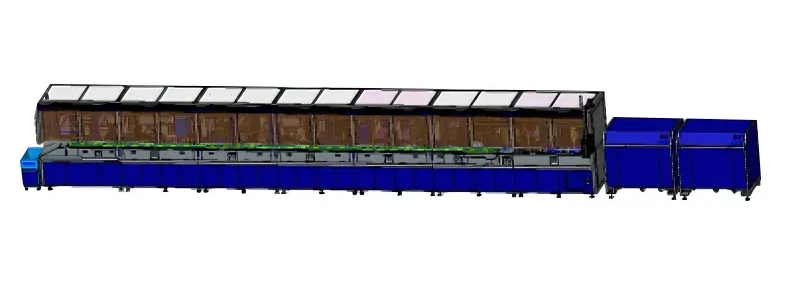
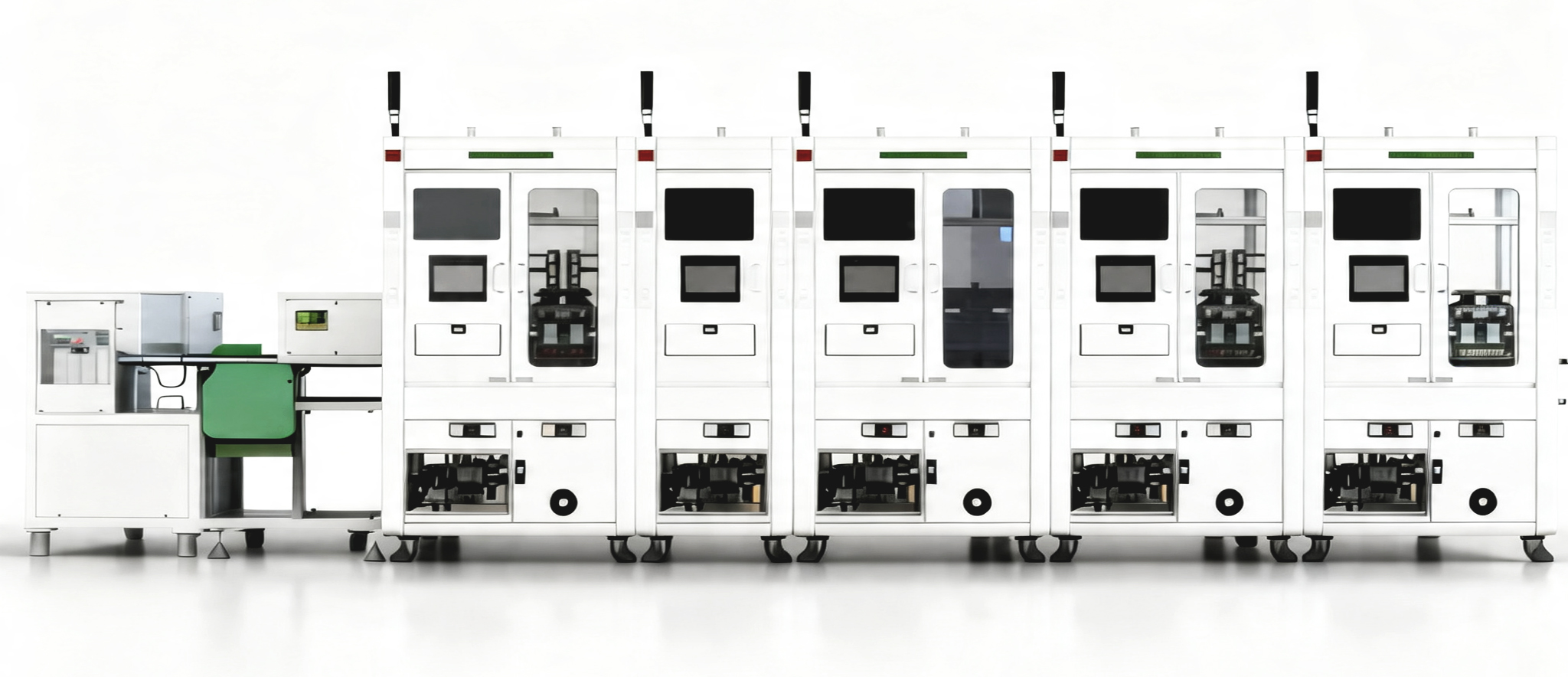
A high-speed cable assembly line is a modular automated system designed for continuous and high-precision cable processing.
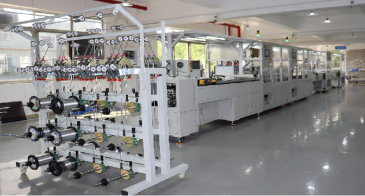
It integrates multiple functional units such as pay-off, lacing, stripping, laser processing, trimming, welding, and curing into a synchronized production line. Each unit operates independently but is connected through a standardized platform, allowing flexible configuration, fast maintenance, and efficient production changeover.
This system is widely used in industries that require high-volume and high-precision cable manufacturing.
How Does a High-speed Cable Assembly Line Work?
A high-speed cable assembly line operates as a continuous and synchronized automation system. Each module performs a specific function in a fixed sequence, and all stages are controlled by a central system to ensure stable process coordination.
The raw material is gradually processed through multiple mechanical, thermal, and precision control stages. Each stage prepares the material for the next one, ensuring accuracy, consistency, and structural reliability throughout the entire workflow.
The complete process consists of the following 9 key stages:
1. Pay-Off
The pay-off unit is responsible for controlled and continuous feeding of cable materials into the production line. It uses tension control systems to maintain stable wire delivery, preventing stretching, slack, or uneven feeding.
Stable pay-off performance is critical because it directly affects cutting accuracy and downstream processing stability. Advanced systems may also include tension monitoring to ensure real-time adjustment during high-speed operation.
2. Auto Lacing
In this stage, the cable is automatically organized and guided into a stable processing path. The auto lacing system ensures that the cable maintains correct alignment and positioning before entering precision processing modules.
This step reduces vibration and positional deviation, which is essential for maintaining accuracy in high-speed automated environments.
3. Foil Stripping & Swinging
This process removes outer shielding or protective foil layers while controlling cable movement.
The stripping mechanism ensures that only targeted layers are removed without affecting the internal structure. The swinging function assists in repositioning the cable dynamically, allowing smooth transition between processing stations while maintaining structural stability.
4. Foil Remove
After initial stripping, remaining foil materials are completely removed in this stage.
Precision control ensures full removal of unwanted layers while protecting the conductive or functional parts of the cable. This step is essential for ensuring clean surface preparation for subsequent high-precision processing.
5. CO₂ Laser
CO₂ laser processing is used for high-precision, non-contact material processing. It enables controlled cutting, surface modification, or localized material removal with extremely high accuracy.
Because it is a non-mechanical process, it eliminates physical stress on the cable structure, ensuring consistent results even in high-speed production environments.
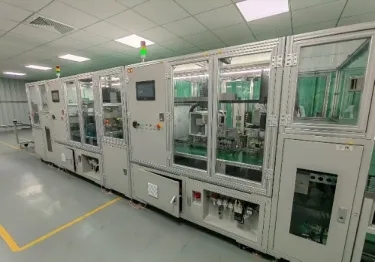
High-precision control systems ensure that only designated areas are processed, maintaining the integrity of surrounding materials. This step is critical for achieving accurate exposure of functional regions in the cable structure.
7. Conductor Pre-forming & Final Trimming
In this stage, the conductor is first shaped into a predefined geometry according to design specifications. This pre-forming process ensures correct structural alignment before final processing.
Final trimming is then applied to achieve precise dimensional control, ensuring that each processed unit meets strict tolerance requirements for consistency and repeatability.
8. Hot bar Soldering / Resistance Welding
This stage provides stable electrical and mechanical bonding between conductive elements through controlled thermal or pressure-based energy application.
Hot bar soldering ensures precise heat distribution, while resistance welding applies controlled electrical current and pressure. Both methods ensure strong, consistent, and repeatable bonding quality suitable for high-volume production environments.
9. UV Dispensing & Curing
In the final stage, UV adhesive is precisely dispensed onto targeted areas of the product. The material is then cured using ultraviolet light to achieve rapid solidification.
This process enhances mechanical strength, improves sealing performance, and increases long-term structural stability of the final product. It also ensures high-speed curing suitable for continuous production lines.
Mijoint’s High-speed Cable Assembly Line Solutions
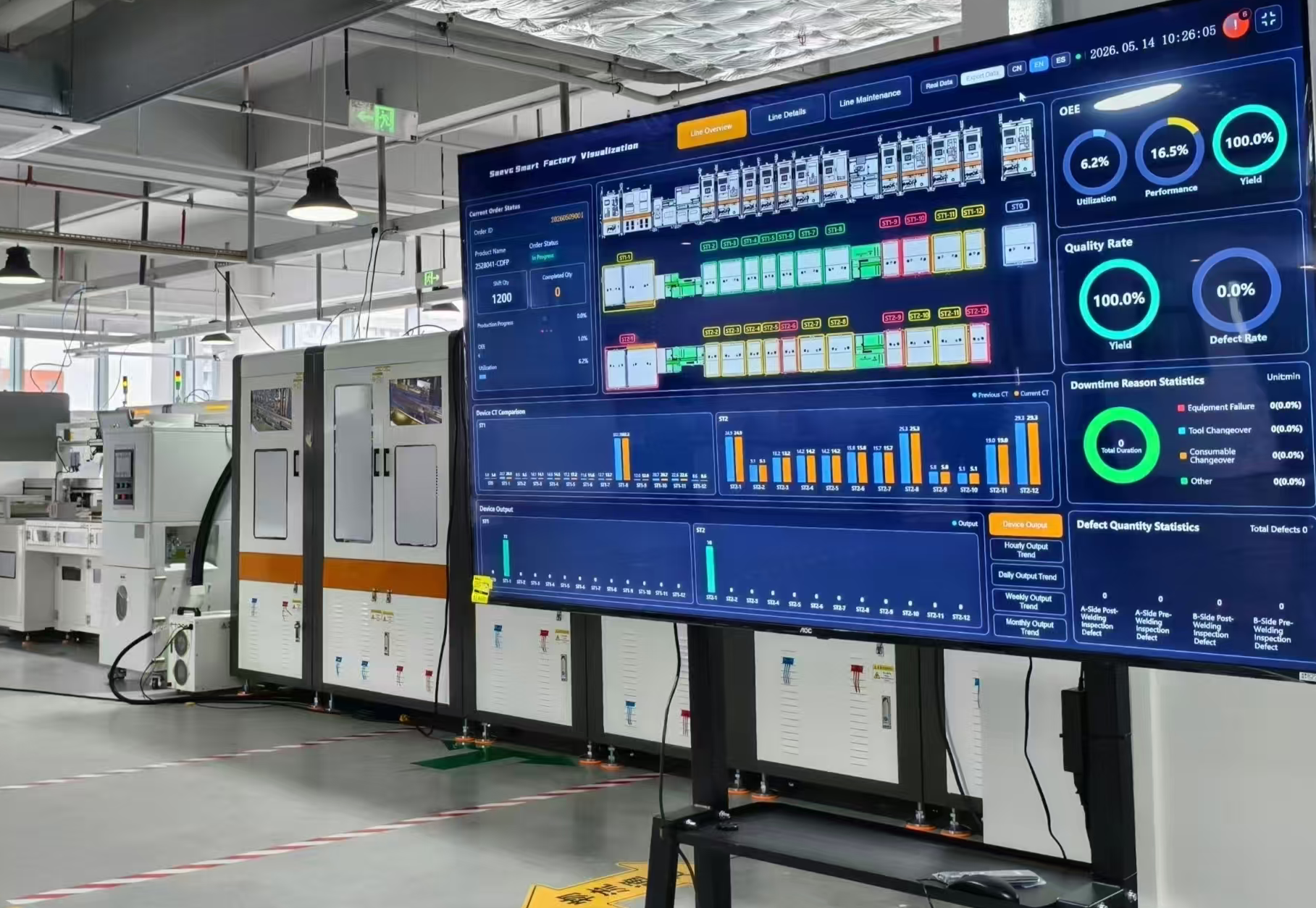
Mijoint is a professional automation systems integrator specializing in advanced high-speed cable assembly line solutions for industries such as automotive, data communication, and consumer electronics. With strong R&D capabilities and extensive project experience, Mijoint delivers not only equipment but also complete automation solutions tailored to customer needs.
To address the growing demand for high-speed and high-precision cable production, Mijoint has developed multiple specialized automated lines. For high-density data transmission applications, the CDFP wire preparing automated line ensures precise wire preparation and stable signal performance.
The MCIO wire preparing automated line is designed for compact, high-speed interconnect solutions, helping manufacturers reduce errors and improve assembly consistency.
For ultra-high-speed data communication, the QSFP-DD cable preparing automated line provides high-precision processing to ensure signal integrity in demanding environments such as data centers.
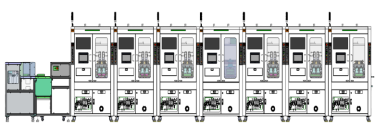
Mijoint also offers a modular flexible automation platform, which enables manufacturers to quickly configure and expand production lines, reducing changeover time and supporting flexible manufacturing.
For customized production needs, solutions such as the OTB automated line, NS100 automated line, and Izumi automated line are designed to handle complex assembly processes and improve production efficiency. These systems help customers solve challenges such as high defect rates, low efficiency, and inconsistent quality.
By combining high-speed processing, modular automation, and intelligent inspection, Mijoint enables manufacturers to achieve efficient, scalable, and reliable production.
Conclusion
A high-speed cable assembly line is essential for modern manufacturing, providing the efficiency, precision, and scalability required to meet growing industry demands. By integrating automation and intelligent technologies, it helps manufacturers improve quality, reduce costs, and remain competitive.
FAQ About High-speed Cable Assembly Line
Q1: What is a high-speed cable assembly line used for?
It is used for continuous automated cable processing including feeding, stripping, laser processing, trimming, welding, and curing.
Q2: How does a high-speed cable assembly line improve production efficiency?
A high-speed cable assembly line integrates multiple automated processes into one workflow, reducing manual labor, minimizing errors, and increasing output speed.
Q3: How does a High-speed Cable Assembly Line improve production efficiency?
A High-speed Cable Assembly Line integrates multiple processes into one automated system, reducing manual intervention and improving production speed and consistency.
Q4: Can a high-speed cable assembly line be customized?
Yes, it can be customized based on product specifications, production volume, and industry requirements.
Q5: Which industries benefit from a high-speed cable assembly line?
Industries such as automotive, data communication, consumer electronics, and industrial automation benefit significantly from its efficiency and reliability.