Introduction: The Need for Flexibility in Modern Factories
Modern manufacturing demands flexibility, efficiency, and adaptability. As product variety increases and customer demands evolve rapidly, traditional rigid production lines struggle to meet these requirements. Factories face challenges such as frequent product changeovers, varied batch sizes, and the need for faster time-to-market. To remain competitive, manufacturers need solutions that allow them to scale operations and adapt quickly without incurring excessive costs or downtime.
A modular flexible automation platform provides a solution to these challenges. By offering modular, reconfigurable components and a unified control system, these platforms allow factories to adjust production lines efficiently while maintaining high precision and quality. Unlike traditional fixed automation systems, modular platforms can integrate multiple machines, robots, and processing units into a cohesive workflow, enabling smart manufacturing practices. This article explores what a modular flexible automation platform is, its components, benefits, and applications, highlighting why it is an essential tool for modern automated factories.
What is a Modular Flexible Automation Platform?
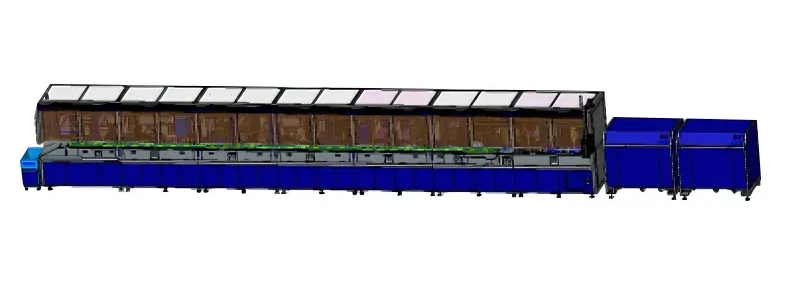
A modular flexible automation platform is an advanced manufacturing system that combines modular hardware, intelligent software, and integrated control to create reconfigurable and scalable production lines. The term “modular” refers to the platform’s ability to allow individual units or modules—such as robotic arms, conveyors, automated assembly stations, or inspection devices—to be added, removed, or reconfigured easily. This flexibility enables manufacturers to respond rapidly to changing product specifications or production requirements.
The “flexible” aspect highlights the platform’s adaptability. It supports multiple production processes, high-mix/low-volume operations, and quick product changeovers. With standardized interfaces, software-driven control, and intelligent scheduling, a modular flexible automation platform can coordinate complex manufacturing operations seamlessly. These platforms often integrate with other systems, such as industrial data management and AI-driven vision inspection, providing real-time monitoring, analytics, and quality control.
Overall, a modular flexible automation platform serves as the backbone for smart factories, enabling manufacturers to achieve operational agility, reduce downtime, and enhance overall efficiency. It transforms traditional production lines into intelligent, adaptive, and future-ready manufacturing ecosystems.
How Does a Modular Flexible Automation Platform Work?
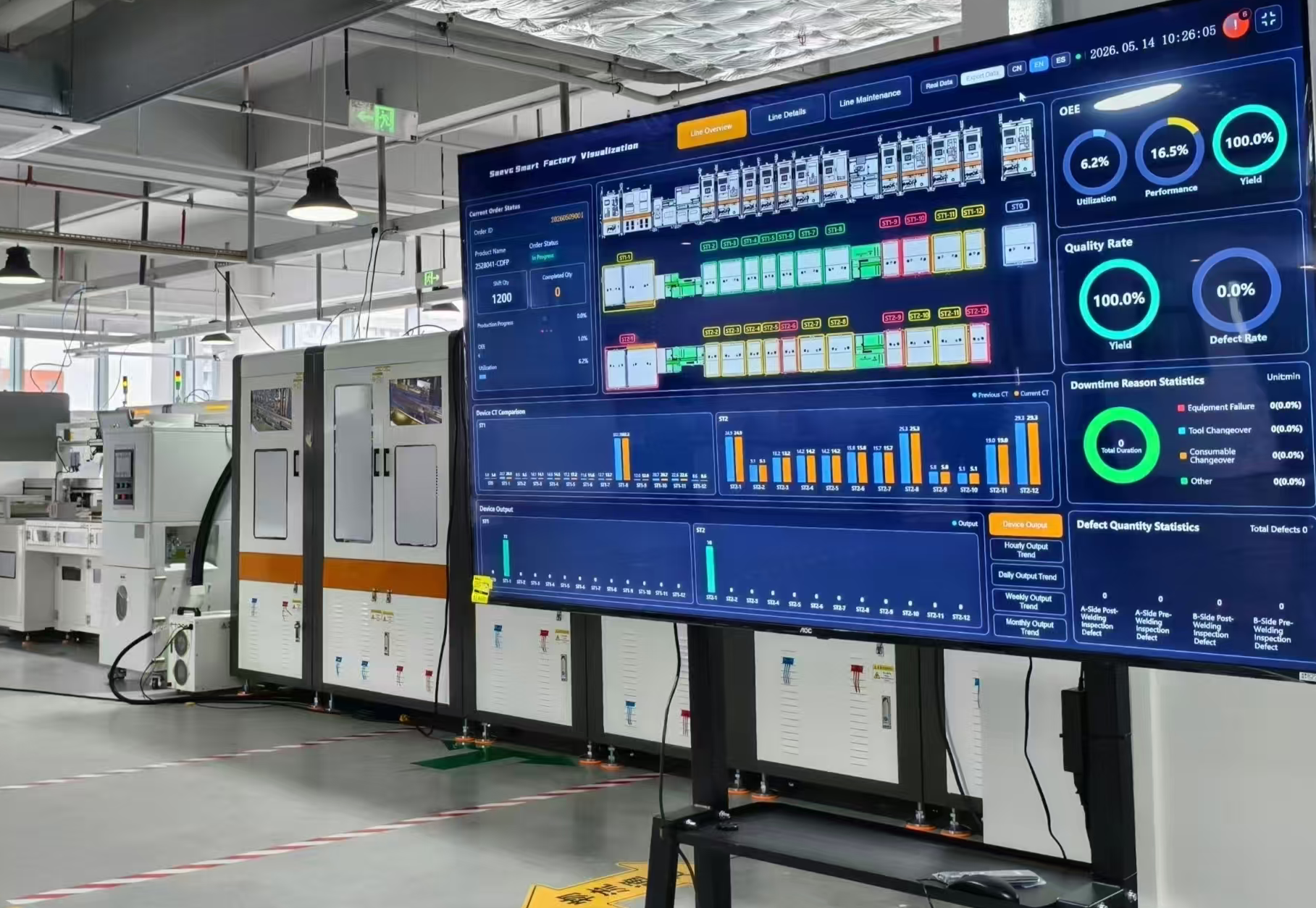
A modular flexible automation platform operates by connecting individual automation modules into a unified system controlled by central software. Each module—whether a robot, conveyor, automated assembly station, or inspection device—communicates with the central controller and follows preprogrammed workflows. The platform uses sensors, data acquisition devices, and AI-driven analytics to monitor operations in real time.
The platform’s software enables dynamic scheduling and process optimization. For example, if a production line needs to switch from one product type to another, the software reconfigures robot paths, timing, and module tasks automatically, minimizing downtime. Modules can be added or removed based on production needs, creating a highly adaptable system without requiring extensive re-engineering.
Integration with industrial data management systems allows the platform to collect performance data, analyze trends, and optimize throughput. AI-driven inspection systems can be incorporated to ensure quality control, while predictive maintenance algorithms detect potential issues before they impact production. This combination of modularity, automation, and intelligence ensures that factories can operate efficiently, maintain high-quality standards, and quickly respond to market changes.
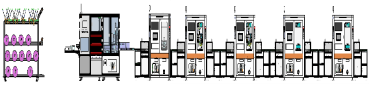
Key Components of a Modular Flexible Automation Platform
A modular flexible automation platform typically consists of several key components:
Modular Hardware
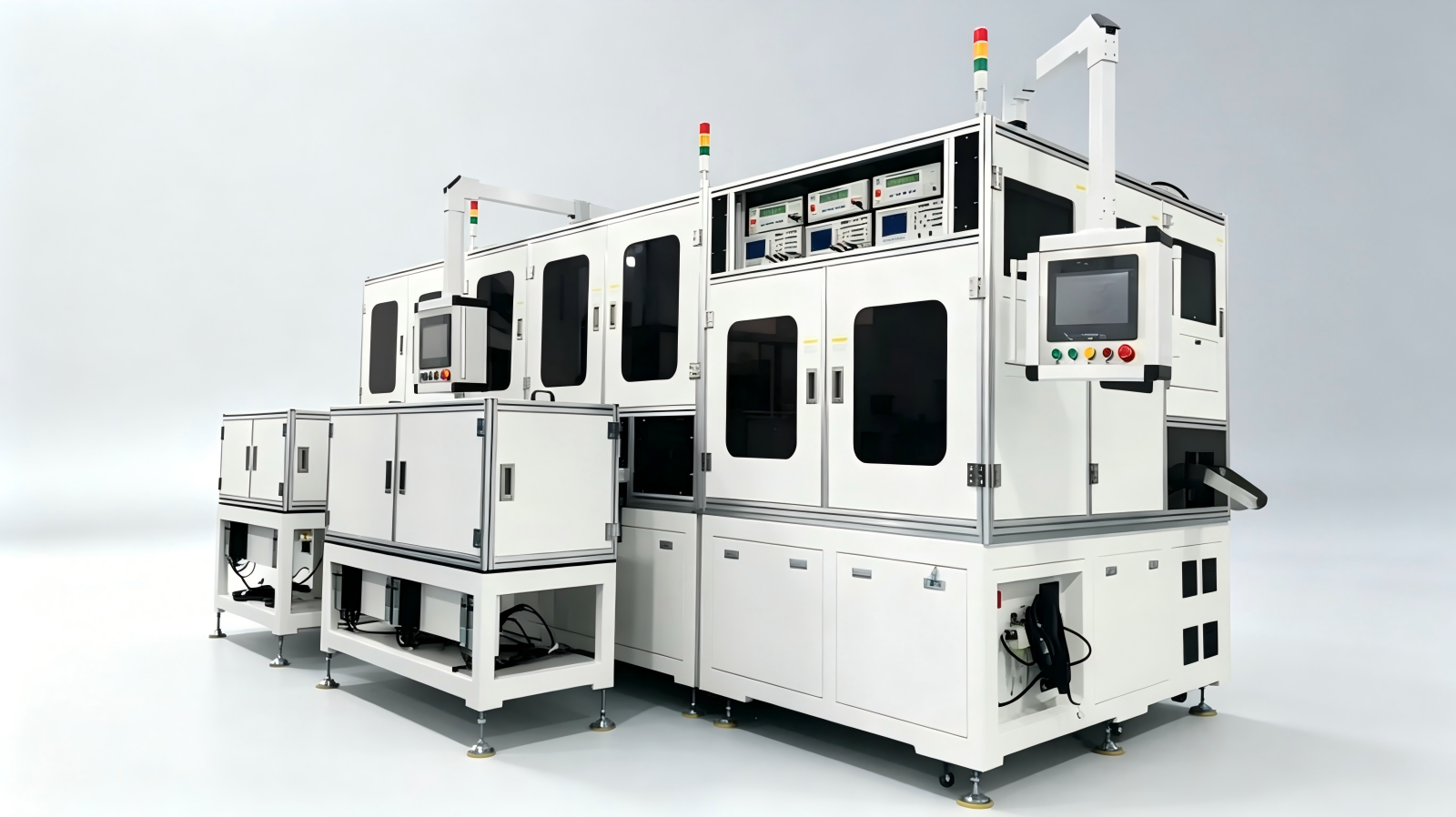
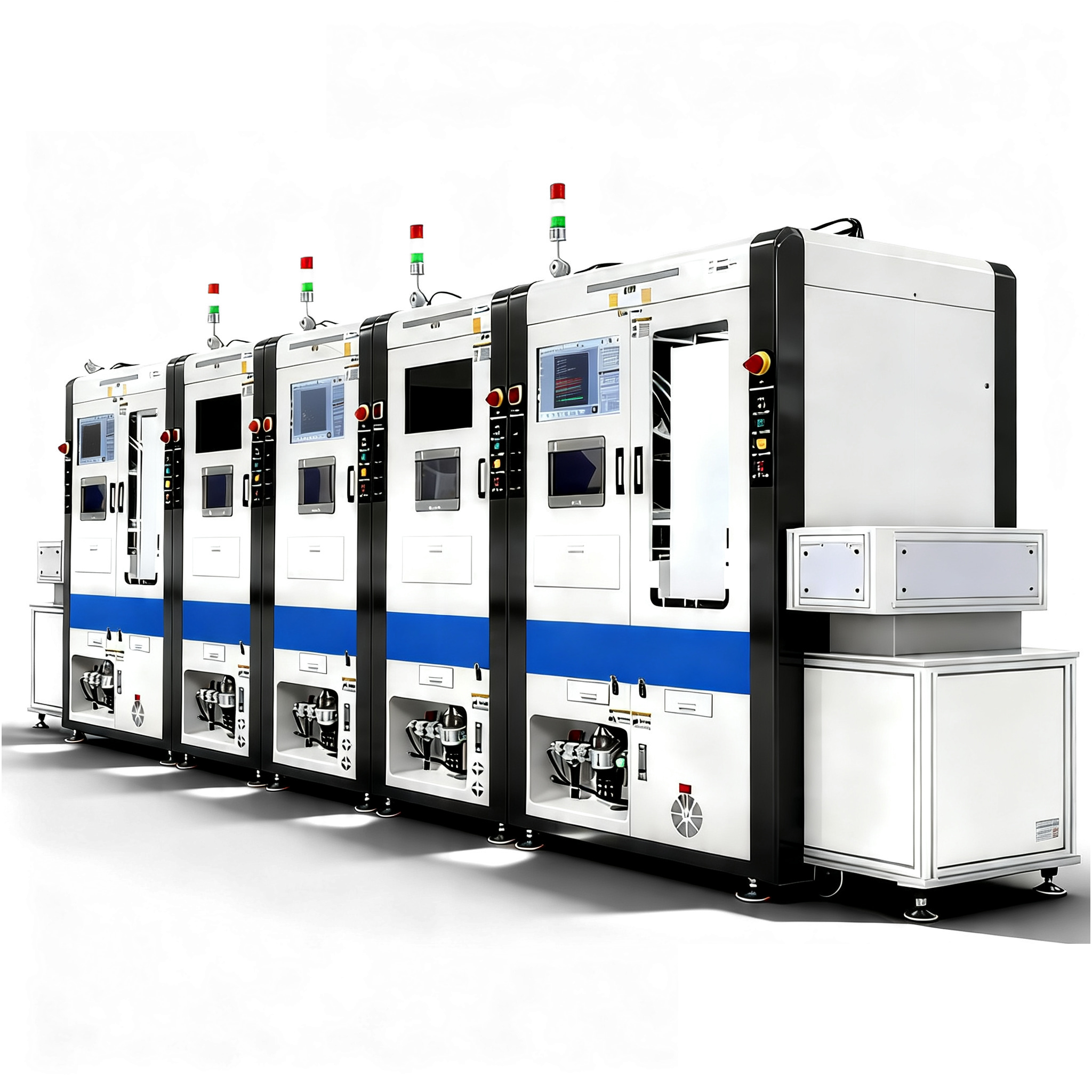
Hardware modules include robotic arms, conveyors, automated assembly stations, and inspection devices. Each module is designed for plug-and-play integration, allowing quick reconfiguration and expansion.
Centralized Control Software
The platform uses software to manage workflows, module coordination, and process scheduling. It enables dynamic adaptation to new products, batch sizes, or production sequences.
Sensors and Data Acquisition
Integrated sensors monitor machine performance, product flow, and environmental conditions. Real-time data collection ensures operational accuracy and allows rapid troubleshooting.
AI-driven Analytics and Inspection
The platform can incorporate AI-driven vision inspection systems to ensure product quality, detect defects, and provide feedback for process optimization.
Integration with Industrial Systems
The platform integrates with industrial data management systems, ERP, and maintenance software, providing end-to-end visibility and predictive insights for smarter manufacturing.
These components collectively enable manufacturers to maintain a flexible, scalable, and highly efficient production environment.
Benefits of Using a Modular Flexible Automation Platform
The benefits of implementing a modular flexible automation platform in a modern factory include:
1. Operational Flexibility – Easily reconfigure modules for new products, processes, or batch sizes without significant downtime.
2. Enhanced Productivity – Intelligent scheduling, real-time monitoring, and integrated control improve throughput and minimize delays.
3. Quality Assurance – Integration with AI-driven inspection ensures consistent product quality and reduces defects.
4. Scalability – Add or remove modules as production demand grows, without redesigning the entire line.
5. Cost Efficiency – Reduces capital expenditure on fixed lines, lowers labor costs, and minimizes waste through data-driven insights.
By leveraging these advantages, manufacturers can create smart, adaptive, and future-ready production lines capable of meeting evolving market demands efficiently.
Applications of Modular Flexible Automation Platforms
Modular flexible automation platforms are widely used across industries where adaptability and efficiency are essential:
· Automotive Manufacturing: Integrates robotic assembly, cable processing, and connector production for efficient, scalable production.
· Electronics Manufacturing: Supports high-mix, low-volume operations for circuit boards, connectors, and wiring harnesses.
· Industrial Automation: Enables rapid deployment of new production lines for machinery, sensors, and industrial components.
· Consumer Goods Production: Adapts to varying product designs and batch sizes while maintaining high-quality standards.
These platforms provide a versatile solution for factories seeking to implement Industry 4.0 practices, enhance operational efficiency, and maintain quality across diverse production scenarios.
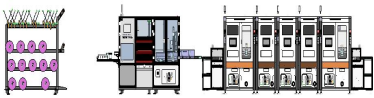
Mijoint’s Modular Flexible Automation Solutions
Mijoint specializes in delivering modular flexible automation platforms that empower modern factories to achieve scalable, adaptable, and intelligent production lines. The Standardized Platform serves as the foundation for these solutions, offering modular hardware, centralized control software, and seamless integration with AI-driven vision inspection and industrial data management systems.
This platform allows manufacturers to efficiently configure and reconfigure production lines for various products, such as wiring harnesses, connectors, and small electronic assemblies. By combining modularity with intelligent scheduling and real-time monitoring, Mijoint’s solutions minimize downtime, enhance throughput, and maintain consistent product quality.
In addition to the standardized platform, Mijoint’s ecosystem includes complementary automated solutions such as the MCIO Wire Preparing Automated Line, CDFP Wire Preparing Automated Line, High Power Hot Bar Soldering Machine, and B901 Connector Assembly Machine. Each product integrates seamlessly with the modular platform, enabling fully automated workflows, precise quality control, and data-driven decision-making.
With a strong R&D team, over 500 specialists, and a 45,000 sqm R&D and manufacturing facility, Mijoint provides reliable, high-precision solutions for industries including automotive, electronics, industrial automation, and consumer goods. Their platforms not only enhance operational efficiency but also provide the flexibility required for smart, future-ready factories.
By adopting Mijoint’s modular flexible automation solutions, manufacturers can scale operations quickly, adapt to changing product demands, reduce defects, and implement Industry 4.0 practices effectively, ensuring long-term competitiveness and growth.
Conclusion
A modular flexible automation platform is essential for modern factories aiming to achieve high flexibility, scalability, and efficiency. By integrating modular hardware, centralized software, and intelligent analytics, these platforms support smart manufacturing practices, improve product quality, and optimize operational efficiency. Factories adopting such platforms gain a competitive advantage by enabling rapid adaptation, reducing downtime, and ensuring consistent performance.
FAQ About Modular Flexible Automation Platform
Q1: What is a modular flexible automation platform used for?
A modular flexible automation platform is used to create scalable, reconfigurable, and intelligent production lines that support smart manufacturing and adapt to changing production requirements.
Q2: How does a modular flexible automation platform improve factory efficiency?
By providing real-time monitoring, dynamic workflow scheduling, and seamless integration of modules, a modular flexible automation platform minimizes downtime, optimizes throughput, and improves operational efficiency.
Q3: Which industries benefit the most from modular flexible automation platforms?
Industries such as automotive, electronics, industrial automation, and consumer goods manufacturing benefit from modular flexible automation platforms due to their adaptability and high-mix production requirements.
Q4: Can a modular flexible automation platform integrate with other industrial systems?
Yes, modern platforms integrate with industrial data management systems, AI-driven inspection systems, ERP, and maintenance software, enabling end-to-end visibility and predictive insights for smarter manufacturing.
Q5: What are the main advantages of implementing a modular flexible automation platform?
The main advantages include operational flexibility, improved productivity, scalable and adaptable lines, high-quality assurance, and cost efficiency, making it an essential tool for smart factories.