Introduction: Why Precision Welding Matters in Modern Manufacturing
In today’s advanced manufacturing landscape, achieving consistent quality and high efficiency is essential for maintaining competitiveness. Industries such as automotive, electronics, and industrial equipment production rely heavily on reliable joining technologies to ensure structural integrity and electrical performance. Traditional welding methods, while effective in certain applications, often lack the precision and repeatability required for modern high-volume production.
A precision resistance welding machine provides a highly efficient and controlled solution for joining metal components. By using electrical resistance and controlled pressure, this technology enables fast, clean, and repeatable welds without the need for additional materials such as solder or filler metals. This makes it particularly suitable for applications where accuracy and consistency are critical.
As manufacturing processes continue to evolve toward automation and intelligent production, welding systems must integrate seamlessly into automated lines. A precision resistance welding machine not only improves product quality but also reduces operational costs and enhances production efficiency, making it an essential component in modern industrial environments.
What is a Precision Resistance Welding Machine?
A precision resistance welding machine is a specialized piece of equipment used to join metal components by applying heat generated from electrical resistance combined with controlled pressure. Unlike traditional welding techniques that rely on external heat sources, this method generates heat directly at the contact point between materials, resulting in highly localized and efficient welding.
The process involves passing a controlled electric current through the materials to be joined. The resistance to this current generates heat, which softens or melts the metal at the contact area. At the same time, pressure is applied to ensure a strong bond is formed as the materials cool. This method is known for its speed, precision, and ability to produce consistent results across large production volumes.
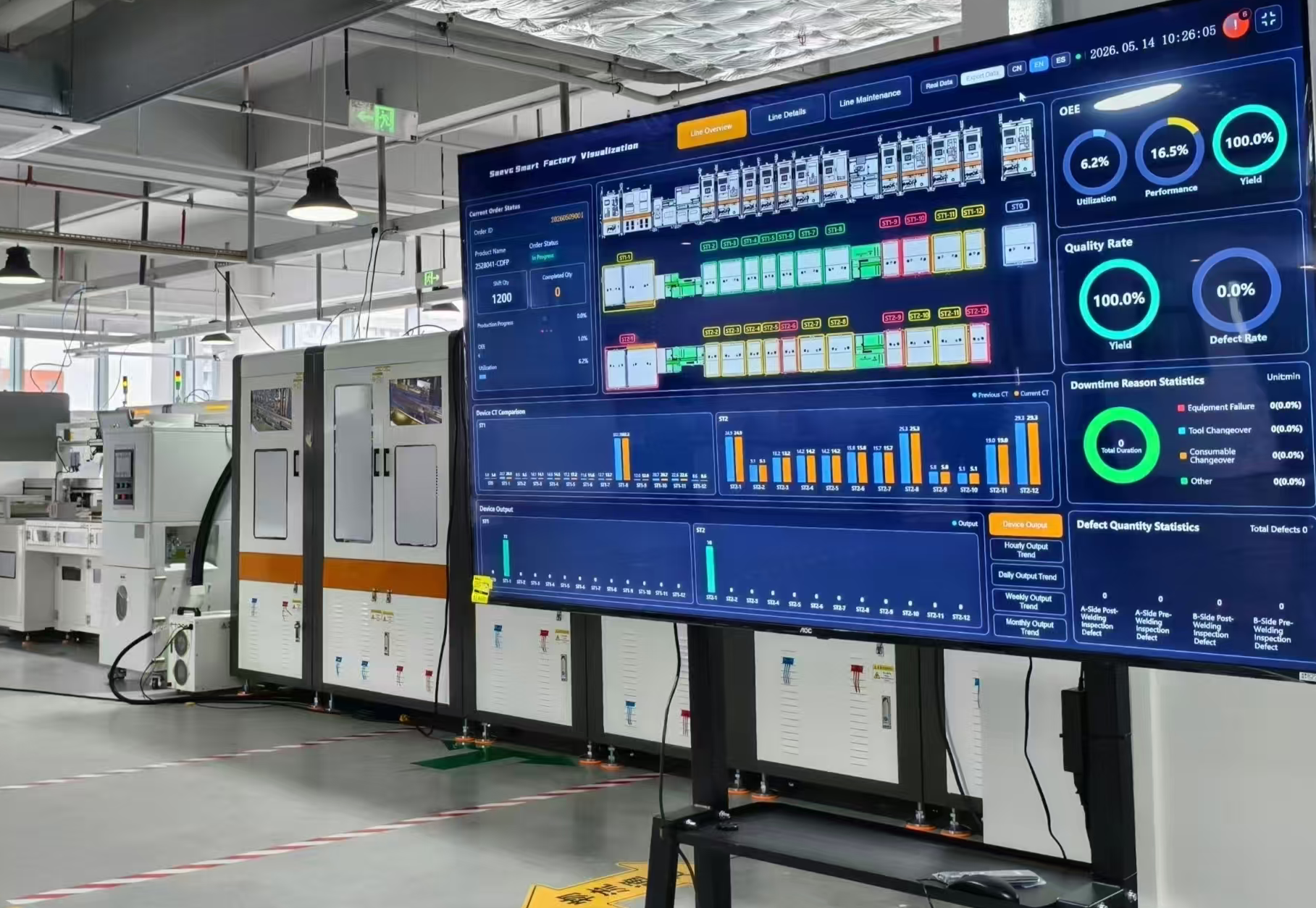
One of the main advantages of this technology is its compatibility with automation. A precision resistance welding machine can be easily integrated into automated assembly lines, enabling continuous operation with minimal human intervention. This makes it ideal for industries that require high throughput and strict quality control, such as automotive wiring harness production and electronic component manufacturing.
How Does a Precision Resistance Welding Machine Work?
A precision resistance welding machine operates based on the principle of electrical resistance heating combined with mechanical pressure. The process begins when two or more metal components are positioned between electrodes, which act as both current conductors and pressure applicators.
When the machine is activated, a controlled electric current flows through the materials. Due to natural electrical resistance, heat is generated at the interface where the components meet. This localized heating softens or melts the metal, creating the conditions necessary for bonding. At the same time, pressure is applied to ensure proper contact and joint formation.
The key to achieving high-quality welds lies in precise control of parameters such as current, welding time, and pressure. Modern machines use advanced control systems to monitor and adjust these parameters in real time. This ensures consistent welding quality and minimizes defects such as weak joints or overheating.
In addition, advanced systems integrate sensors and feedback mechanisms to detect variations in material properties or environmental conditions. By automatically compensating for these variations, the machine maintains stable performance, even in demanding production environments.
Key Components of a Precision Resistance Welding Machine
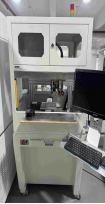
A precision resistance welding machine consists of several critical components that work together to ensure efficient and accurate operation. Each component plays an essential role in achieving stable and repeatable welding results.
Power Supply System
The power supply delivers controlled electrical energy required for the welding process. It must provide stable and adjustable current output to accommodate different materials and thicknesses. Advanced systems use digital control technology to precisely regulate energy input, ensuring consistent heat generation and minimizing energy loss during operation.
Electrodes and Welding Heads
Electrodes are responsible for conducting electrical current and applying pressure to the workpieces. Typically made from high-conductivity materials such as copper alloys, they must maintain durability and precision under continuous use. Proper electrode design and maintenance are crucial for ensuring consistent weld quality and extending equipment lifespan.
Control System
The control system manages the entire welding process, including current, pressure, and timing. Modern machines are equipped with programmable interfaces that allow operators to easily configure welding parameters for different applications. This ensures repeatability and enables quick adjustments for various production needs.
Cooling System
Heat is generated not only at the weld point but also within the machine components during operation. The cooling system dissipates excess heat, maintaining stable working conditions and preventing overheating. Efficient cooling improves machine durability and ensures consistent performance during long production cycles.
Industrial Applications of Precision Resistance Welding Machine
A precision resistance welding machine is widely used across multiple industries due to its efficiency, reliability, and adaptability. Its ability to produce strong and consistent welds makes it suitable for both structural and electrical applications.
Automotive Industry
In the automotive sector, precision resistance welding is commonly used for wiring harnesses, battery connections, and structural components. These applications require strong, vibration-resistant joints that can withstand harsh operating conditions, including temperature fluctuations and mechanical stress.
Electronics Manufacturing
In electronics production, precision is critical due to the small size and complexity of components. Resistance welding is used for connecting terminals, connectors, and micro-components. The process provides clean welds without damaging sensitive materials, making it ideal for high-precision applications.
Industrial Equipment Production
Industrial machinery requires durable and reliable connections. Precision resistance welding ensures strong joints that can handle heavy loads and continuous operation. This makes it suitable for manufacturing robust equipment used in demanding environments.
New Energy and Battery Industry
With the rapid growth of electric vehicles and energy storage systems, the demand for reliable battery connections has increased significantly. Resistance welding is widely used for battery tab welding and cell connections, ensuring low resistance, high efficiency, and long-term stability.
Advantages of Using a Precision Resistance Welding Machine
One of the main advantages of a precision resistance welding machine is its ability to deliver consistent and repeatable results. Automation ensures that each weld is performed under controlled conditions, reducing variability and improving overall product quality.
Another key benefit is efficiency. The process is fast and does not require additional materials such as filler metals or flux. This reduces both production time and material costs, making it highly suitable for large-scale manufacturing operations.
Additionally, the process is environmentally friendly compared to traditional welding methods. It produces minimal fumes and waste, contributing to a cleaner and safer working environment. Advanced control systems further enhance efficiency by optimizing energy usage and reducing operational costs.
How to Choose the Right Precision Resistance Welding Machine
Selecting the right precision resistance welding machine requires careful evaluation of production requirements. Manufacturers should consider factors such as material type, thickness, production volume, and required welding precision.
The level of automation is another important factor. Fully automated systems are ideal for high-volume production, while semi-automated machines may be suitable for smaller operations or flexible manufacturing environments. Integration capability is also essential for companies implementing smart factory solutions.
Choosing a reliable supplier is equally important. A provider with strong technical expertise and customization capabilities can deliver solutions tailored to specific needs, ensuring long-term performance and return on investment.
Mijoint’s Precision Resistance Welding Solutions
Mijoint is a professional automation systems integrator specializing in advanced welding and assembly technologies for modern manufacturing industries. With strong R&D capabilities and extensive project experience, the company provides high-performance precision resistance welding machine solutions designed for accuracy, efficiency, and long-term reliability.
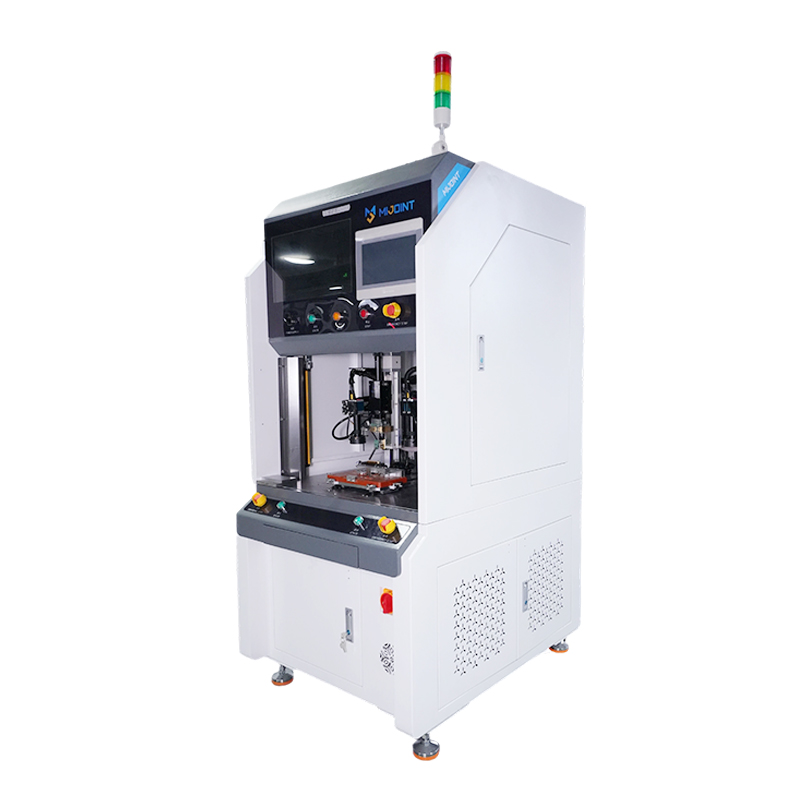
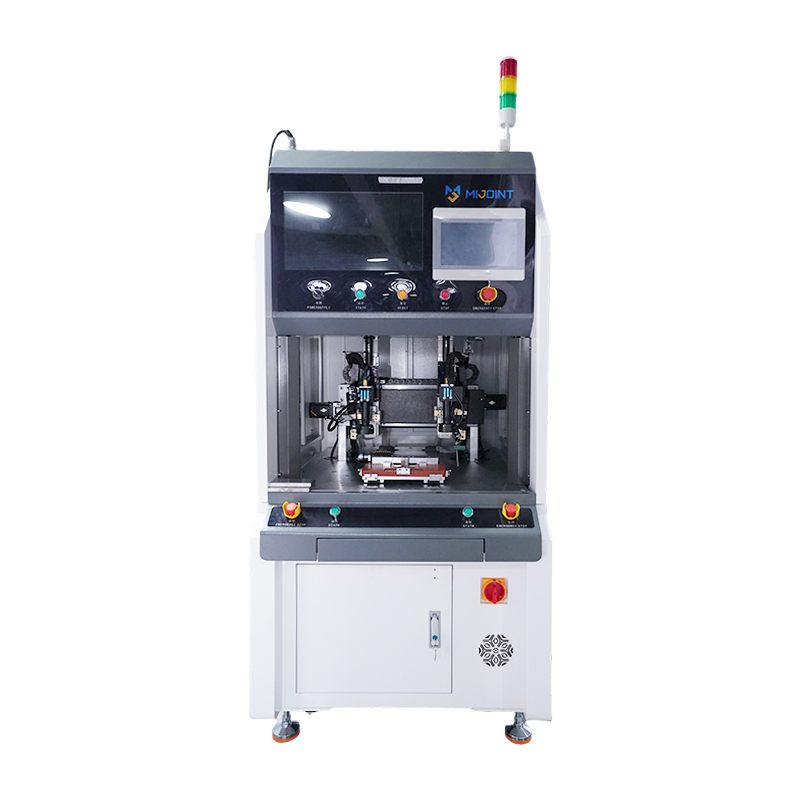
One of its key products, the single station resistance welding machine, is designed for high-precision welding applications where stability and repeatability are critical. This system is ideal for scenarios such as connector welding, wire harness connections, and electronic component assembly, where consistent weld quality directly impacts product performance.
The machine features precise control of welding current, pressure, and timing, ensuring stable and repeatable welding results across different production batches. It effectively solves common manufacturing challenges such as inconsistent weld strength, high defect rates, and manual operation variability.
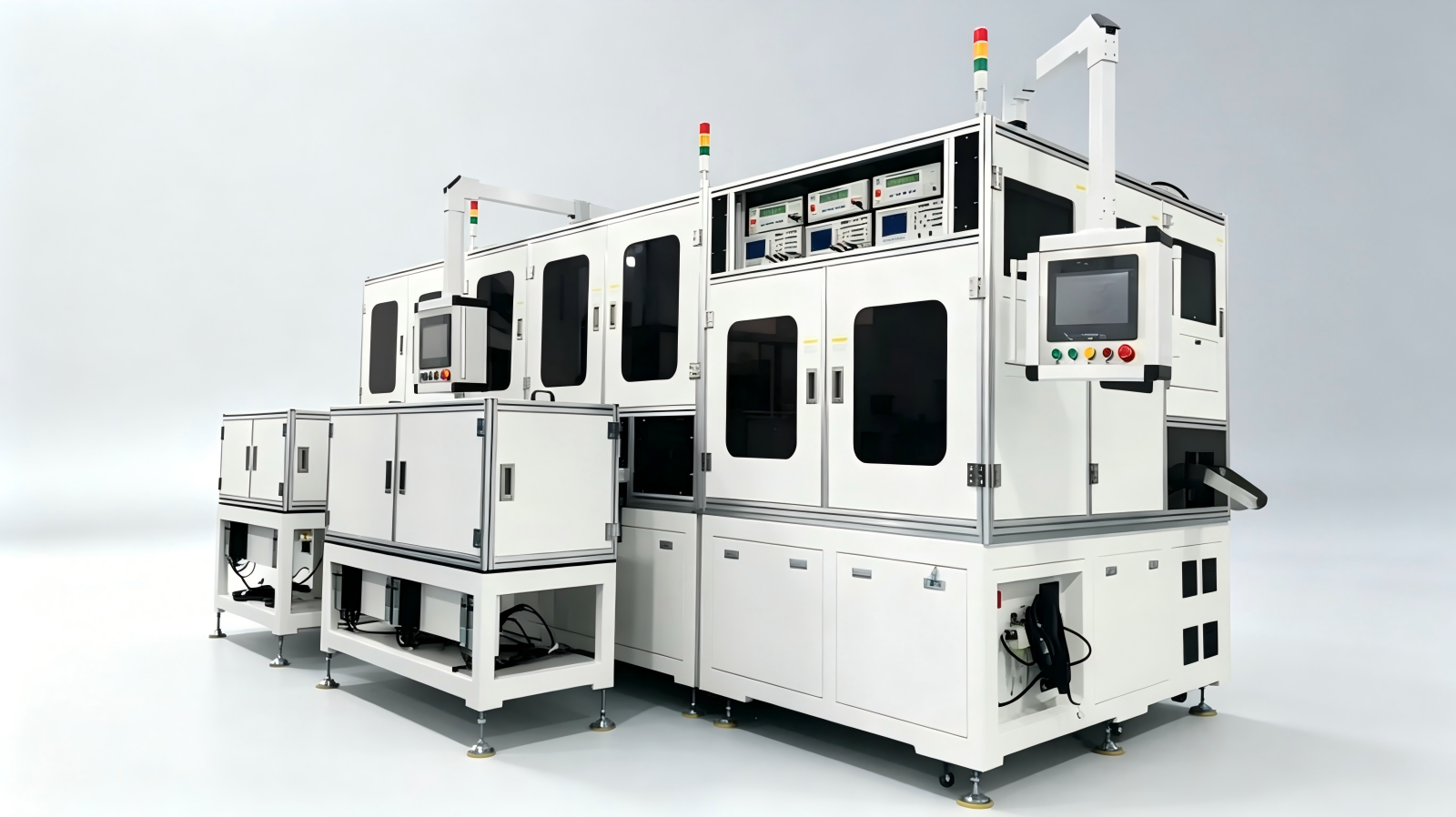
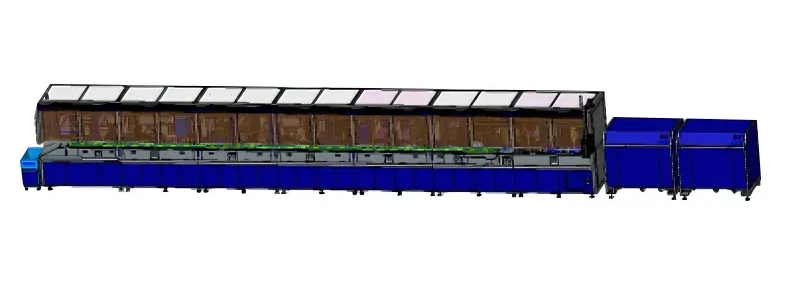
In addition, Mijoint integrates resistance welding technology into automated production lines, enabling seamless connection with upstream and downstream processes. This helps manufacturers improve production efficiency, reduce labor costs, and achieve scalable, intelligent manufacturing.
By combining advanced welding technology with automation and quality control systems, Mijoint provides customers with reliable solutions that support high-efficiency and high-quality production.
Conclusion
A precision resistance welding machine is an essential tool for modern manufacturing, offering high precision, efficiency, and reliability. Its ability to produce consistent welds makes it suitable for a wide range of industrial applications, from automotive to electronics and new energy industries.
As production demands continue to grow, integrating advanced welding systems into automated lines will become increasingly important. Manufacturers that adopt these technologies can achieve better quality control, improved efficiency, and long-term competitiveness.
FAQ About Precision Resistance Welding Machine
Q1: What is a precision resistance welding machine used for?
A precision resistance welding machine is used to join metal components through controlled electrical resistance heating and pressure. It is widely applied in automotive, electronics, and industrial manufacturing.
Q2: How does a precision resistance welding machine improve production efficiency?
A precision resistance welding machine improves efficiency by enabling fast, automated, and repeatable welding processes, reducing manual labor and minimizing defects.
Q3: What are the advantages of a precision resistance welding machine in industrial use?
A precision resistance welding machine offers high precision, consistent quality, low material consumption, and environmentally friendly operation, making it ideal for modern manufacturing.
Q4: Can a precision resistance welding machine be integrated into automated lines?
Yes, a precision resistance welding machine can be fully integrated into automated production lines, supporting continuous operation and smart manufacturing systems.
Q5: Which industries benefit most from a precision resistance welding machine?
Industries such as automotive, electronics, battery manufacturing, and industrial equipment production benefit significantly from the efficiency and reliability of precision resistance welding machines.