Introduction: The Importance of Vision Inspection in Modern Manufacturing
In today’s highly competitive manufacturing environment, quality control is more critical than ever. Defective components can lead to costly recalls, downtime, and damage to a brand’s reputation. Traditional manual inspection methods often struggle to keep up with high-speed production lines and complex product geometries. Human operators can miss subtle defects due to fatigue, inconsistent judgment, or limited visibility.
An AI-driven vision inspection system provides a transformative solution by automating the quality control process. Leveraging artificial intelligence, machine learning, and advanced imaging technologies, these systems can detect even minor defects at high speeds and with high accuracy. They are widely applied in industries such as electronics, automotive, consumer goods, and industrial automation, where precise inspection is vital. This article explores the functionality, benefits, and applications of AI-driven vision inspection systems, emphasizing how manufacturers can use them to improve product quality and operational efficiency.
What is an AI-driven Vision Inspection System?
An AI-driven vision inspection system is an automated solution designed to monitor and evaluate product quality in real time. Unlike conventional vision systems that rely on pre-programmed rules, AI-driven systems utilize machine learning algorithms to identify patterns, classify defects, and adapt to new variations in products. This allows the system to handle complex inspections that would be difficult or impossible for humans or traditional automation.
The system typically consists of high-resolution cameras, lighting units, processing software, and AI models that interpret the visual data. By integrating these components, manufacturers can inspect a wide range of products, from tiny connectors to large industrial components, without slowing down production. AI-driven vision inspection systems are particularly effective for high-mix, low-volume production environments where product variations are frequent. They can learn new inspection tasks quickly and continuously improve performance over time, making them a flexible and future-proof solution for quality assurance.
How Does an AI-driven Vision Inspection System Work?
The operation of an AI-driven vision inspection system begins with image acquisition. High-resolution cameras capture detailed images of products as they move along the production line. Proper lighting and positioning are critical to ensure accurate detection of defects, such as scratches, misalignments, missing components, or incorrect assembly.
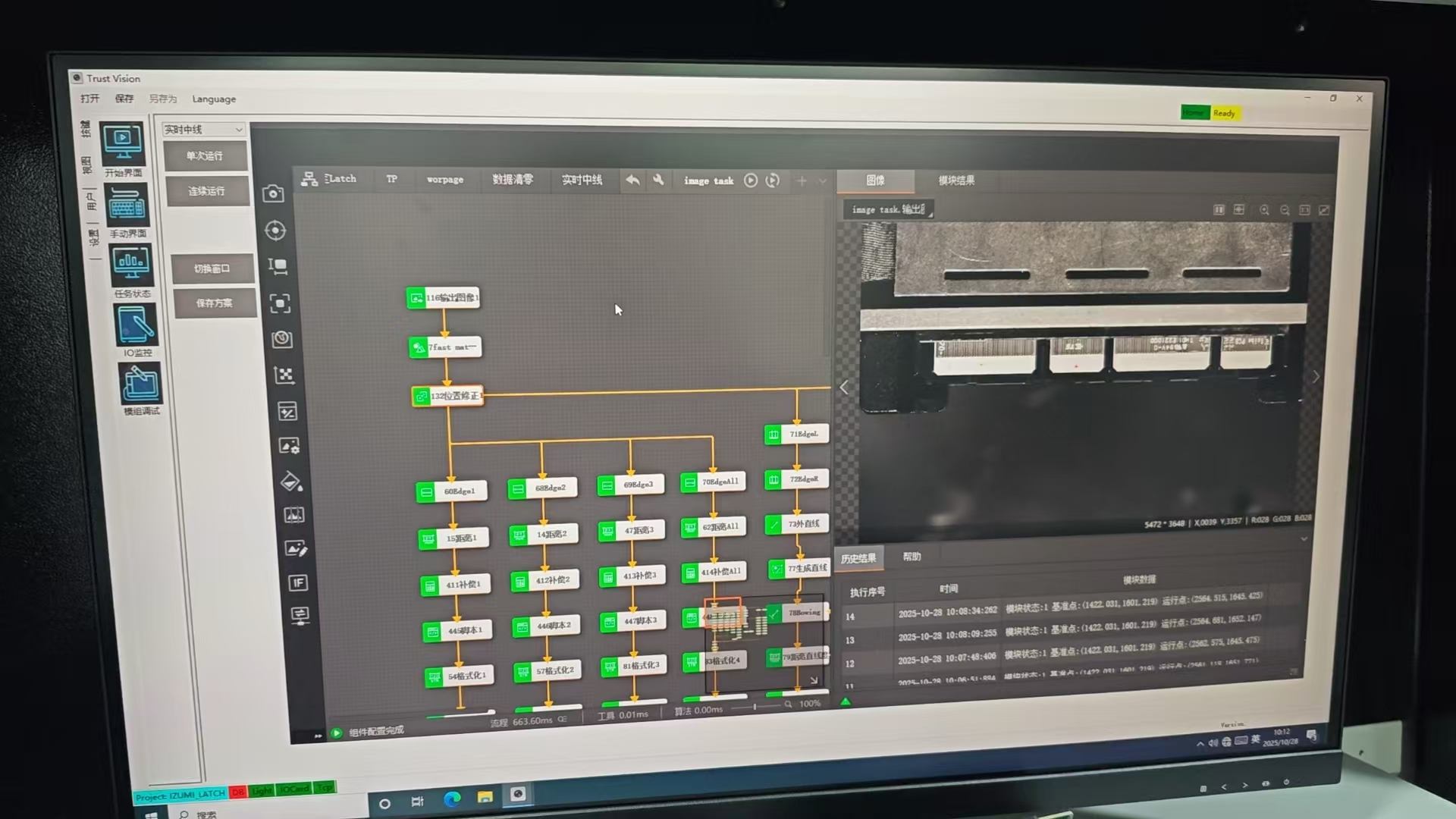
Once images are captured, AI algorithms analyze them in real time. These algorithms are trained using large datasets of defect-free and defective products, allowing the system to recognize subtle anomalies and classify defects accurately. Unlike traditional systems, AI-driven inspection can adapt to changes in product design, orientation, or lighting conditions, which reduces downtime for reprogramming.
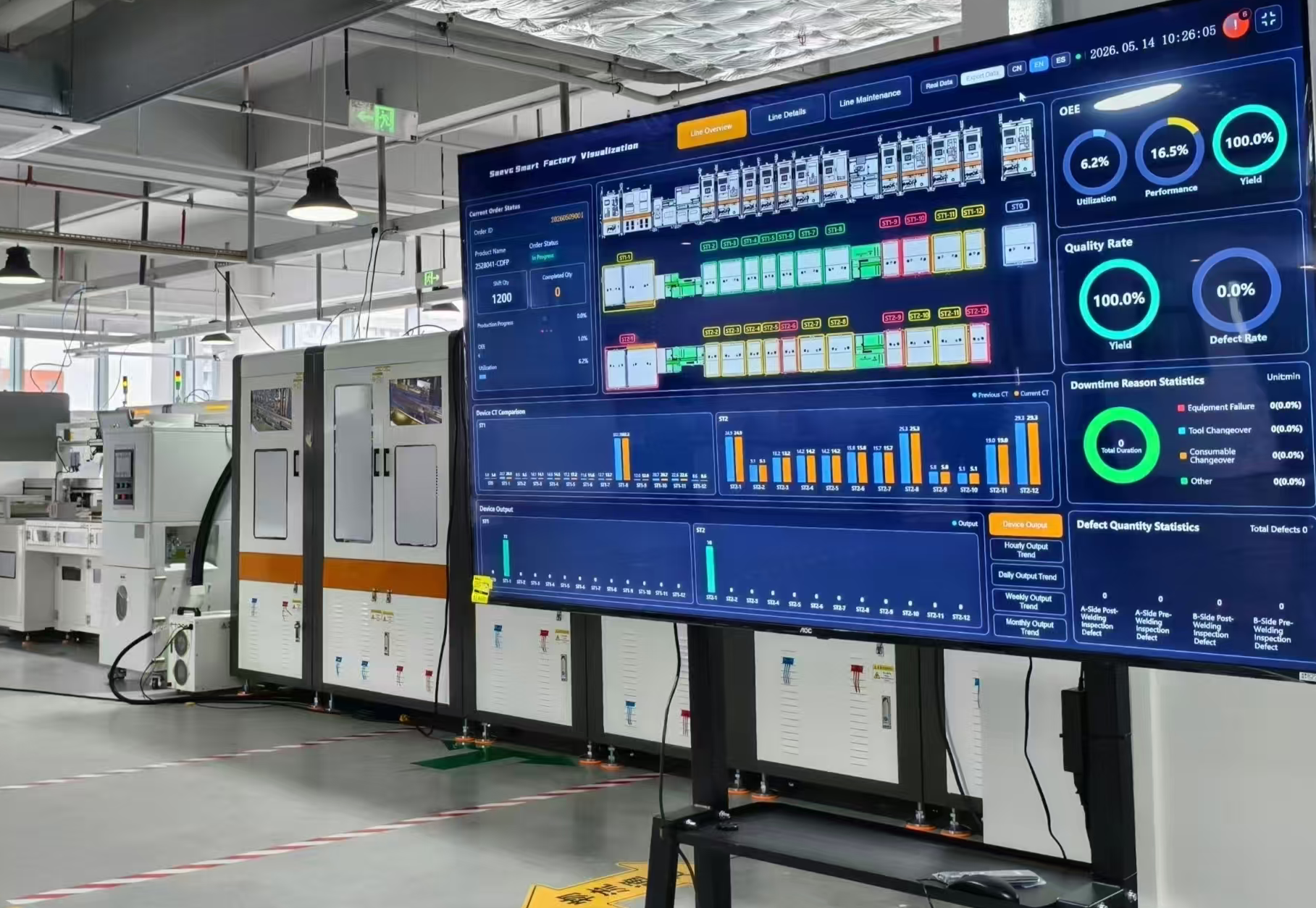
The system can generate immediate feedback, such as stopping the line, triggering alarms, or diverting defective products. Data collected from inspections is stored and analyzed to identify trends, track quality metrics, and optimize production processes. This enables manufacturers to implement predictive maintenance, improve workflow efficiency, and reduce overall defect rates. By integrating with other automation systems, such as robotic handling and automated assembly lines, AI-driven vision inspection provides a comprehensive quality assurance solution.
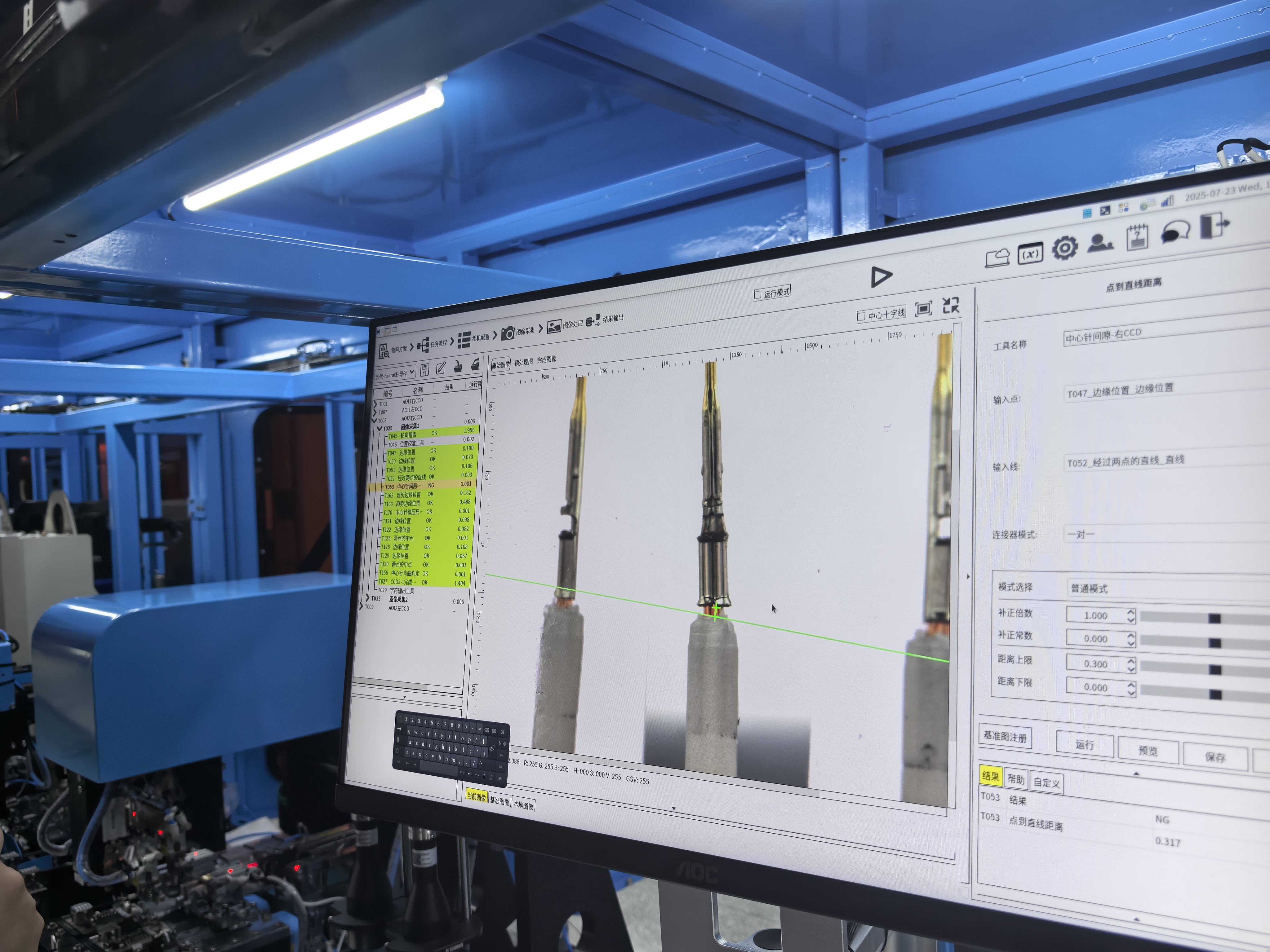
Key Components of an AI-driven Vision Inspection System
Several components work together to make AI-driven vision inspection systems effective:
High-resolution Cameras
Cameras capture precise images required for detecting fine defects. Advanced sensors can handle varying product sizes and speeds, ensuring no critical details are missed.
AI and Machine Learning Software
This software analyzes images and learns to distinguish between acceptable variations and actual defects. Over time, the system improves its accuracy, reducing false positives and negatives.
Lighting and Optics
Proper lighting enhances the visibility of features and defects. Depending on the product, different illumination techniques, such as backlighting or structured light, are used to highlight imperfections.
Integration with Production Lines
AI-driven vision inspection systems integrate seamlessly with automated manufacturing lines, enabling real-time monitoring, immediate feedback, and process optimization without disrupting workflow.
Data Management and Analytics
Industrial data management systems collect inspection results, generate reports, and provide insights into defect trends. This data supports continuous improvement and operational decision-making.
How AI-driven Vision Inspection Systems Improve Quality
AI-driven vision inspection systems enhance quality in multiple ways:
1. High Accuracy and Consistency – Unlike manual inspection, AI systems maintain consistent performance and reduce human error.
2. Early Defect Detection – Defects are identified immediately, preventing defective products from moving downstream.
3. Process Optimization – Data analysis identifies recurring defects, enabling adjustments in assembly, material handling, or equipment settings.
4. Adaptability – AI-driven systems learn new product variations quickly, reducing downtime for reconfiguration.
5. Cost Reduction – By minimizing rework, scrap, and warranty claims, manufacturers save costs while improving customer satisfaction.
These advantages make AI-driven vision inspection systems an essential investment for manufacturers aiming to achieve high-quality standards, reduce waste, and maintain competitive advantage.
Applications of AI-driven Vision Inspection Systems
AI-driven vision inspection systems are versatile and applicable across various industries:
· Electronics Manufacturing: Detects soldering defects, missing components, or misaligned connectors.
· Automotive Industry: Inspects wiring harnesses, connectors, and assembled modules for safety-critical applications.
· Consumer Electronics: Ensures visual quality and assembly accuracy for smartphones, laptops, and wearable devices.
· Industrial Automation: Monitors machinery components, backplane connectors, and assembly integrity.
The adaptability and accuracy of AI-driven vision inspection systems make them suitable for both high-speed mass production and high-mix, low-volume manufacturing environments.
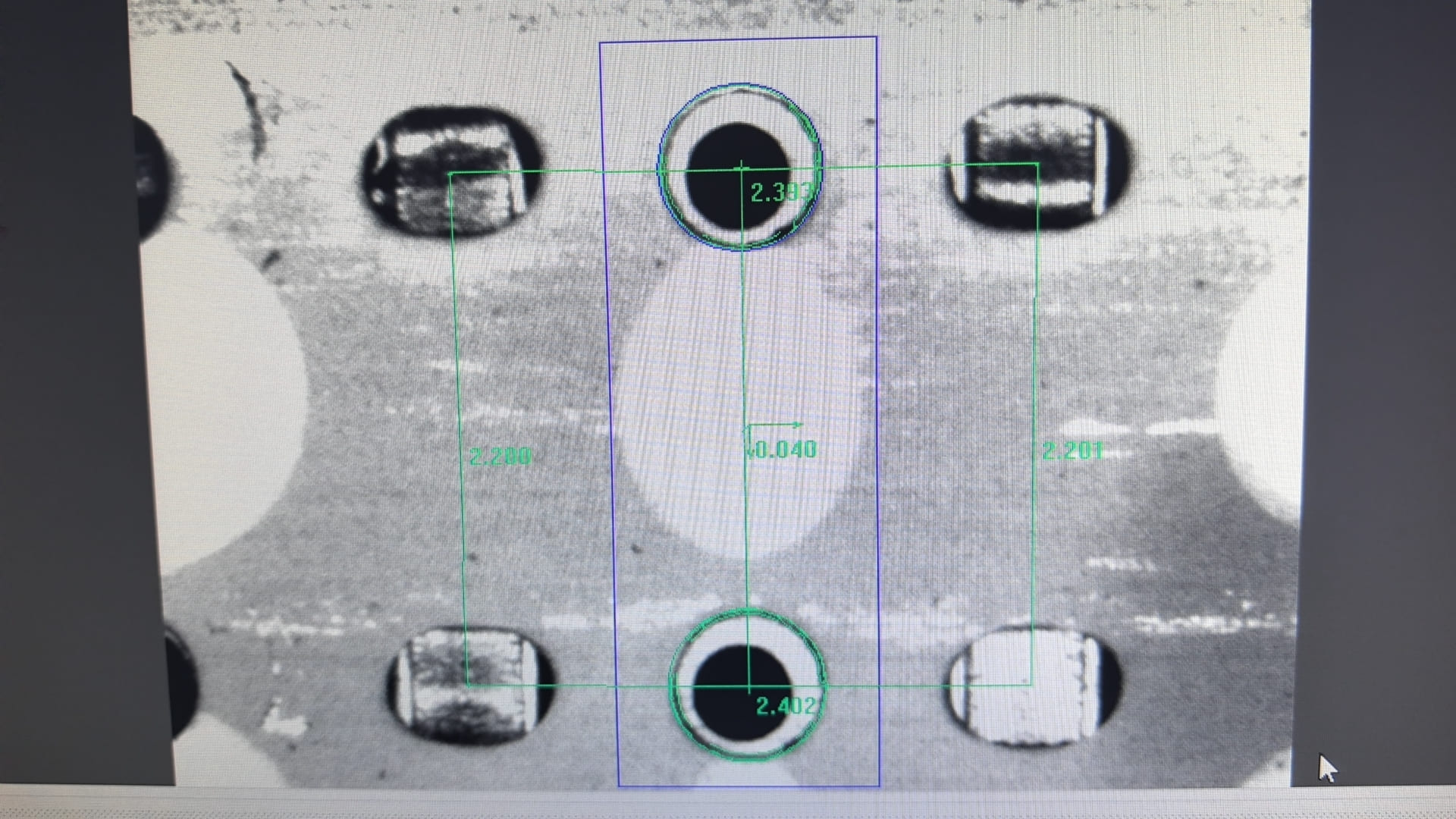
Mijoint’s AI-driven Vision Inspection Solutions
Mijoint is a leading provider of advanced automation solutions, specializing in AI-driven vision inspection systems that enhance quality control and manufacturing efficiency. By integrating high-resolution imaging, machine learning algorithms, and industrial data management, Mijoint helps manufacturers detect defects accurately, reduce waste, and optimize production workflows.
Featured Equipment
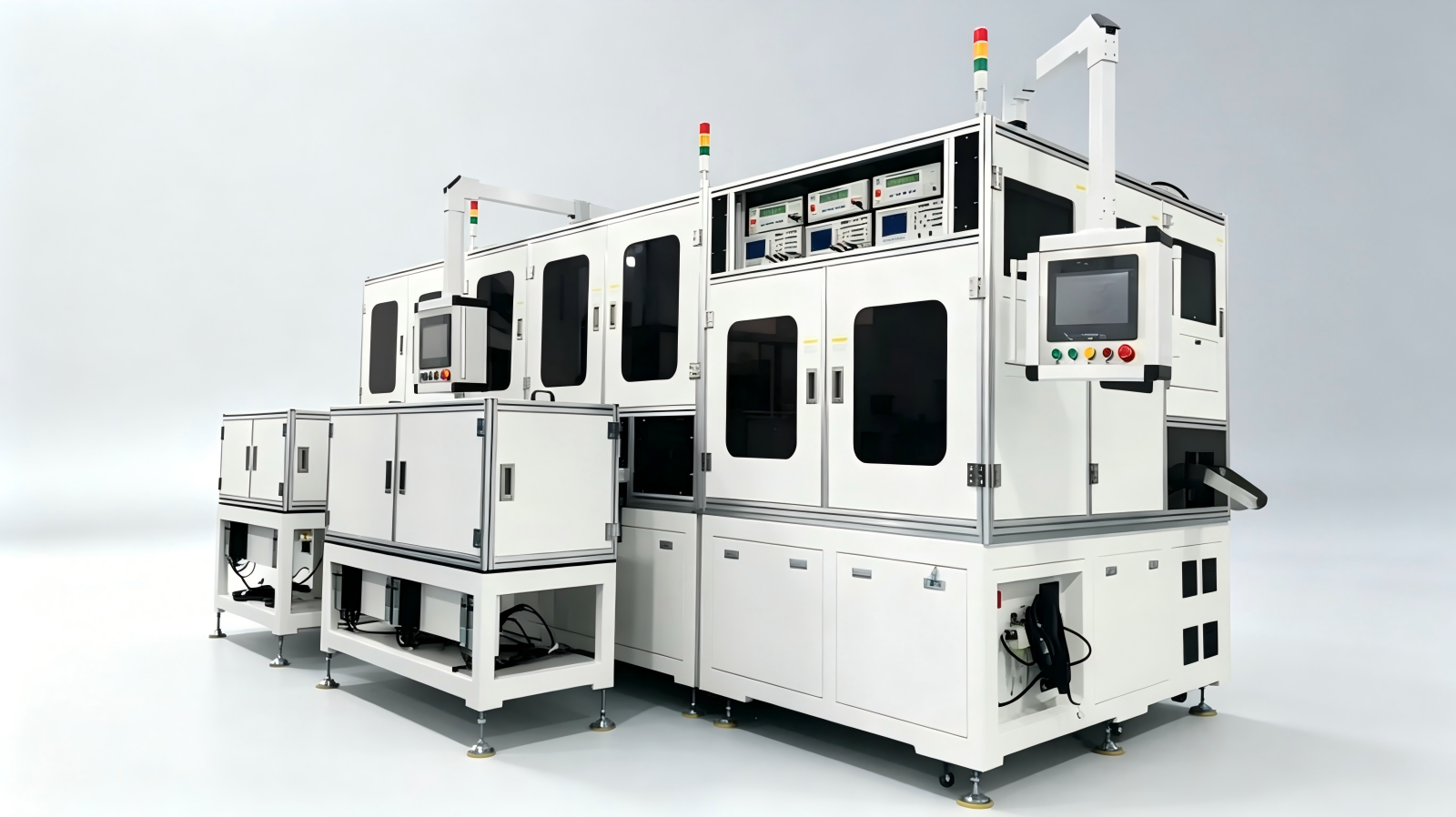
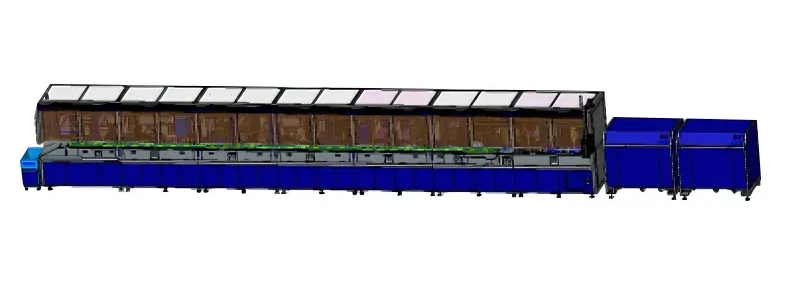
1. OTB Product Automated Line – A fully integrated automated assembly line with AI-driven inspection capabilities for high-precision connector and module production.
2. MCIO Wire Preparing Automated Line – Automates wire cutting, stripping, and preparation while integrating AI vision systems to ensure defect-free wires before assembly.
3. CDFP Wire Preparing Automated Line – High-efficiency wire processing line with real-time inspection to verify wire quality, length, and conductor exposure.
4. Desktop Jetting Vision Dispensing Machine – Combines precise fluid dispensing with AI vision inspection to ensure accurate placement and volume control in electronic and connector assembly.
5. Desktop Dispensing Machine – Automated dispensing solution with integrated visual verification to minimize errors and maintain consistency across production batches.
6. 3D Vision-Guided PGRS Soldering Machine – Dual Station – Advanced soldering system guided by 3D AI vision for accurate solder joint placement, ensuring quality and repeatability in high-mix production.
7. In-line PGRS Soldering Machine – High-speed soldering line with AI-powered inspection to guarantee precise solder joints, reduce defects, and maintain throughput in automated manufacturing environments.
Mijoint’s solutions are designed with modular flexibility, allowing integration with existing production lines and adaptation to varying product types and volumes. By leveraging AI-driven vision inspection, manufacturers benefit from improved accuracy, reduced labor costs, higher throughput, and consistent quality, making Mijoint a trusted partner in intelligent manufacturing and Industry 4.0 initiatives.
Conclusion
AI-driven vision inspection systems provide manufacturers with a reliable, accurate, and scalable solution for quality control. By automating inspections, leveraging AI for defect detection, and integrating with industrial data management, these systems enhance production quality, reduce waste, and optimize operational efficiency across multiple industries.
FAQ About AI-driven Vision Inspection System
Q1: What is an AI-driven vision inspection system used for?
An AI-driven vision inspection system is used to automatically detect defects, verify assembly accuracy, and ensure product quality in various manufacturing environments.
Q2: How does an AI-driven vision inspection system improve quality in production?
By providing consistent, high-accuracy inspections, detecting defects early, and generating actionable data, an AI-driven vision inspection system reduces errors and enhances overall product reliability.
Q3: Which industries benefit the most from AI-driven vision inspection systems?
Industries such as electronics, automotive, consumer devices, and industrial automation benefit from AI-driven vision inspection for precise quality control and defect prevention.
Q4: Can AI-driven vision inspection systems be integrated with automated assembly lines?
Yes, these systems integrate seamlessly with automated production lines, providing real-time feedback, process optimization, and synchronized quality control.
Q5: What are the key benefits of implementing an AI-driven vision inspection system?
Key benefits include higher inspection accuracy, consistent quality, early defect detection, reduced rework, improved throughput, and scalable solutions adaptable to various manufacturing needs.