.png)
Introduction: The Importance of Backplane Connectors in Modern Industry
Backplane connectors are critical components in a wide range of industrial and electronic systems, serving as the primary interface for high-speed signal transmission and power distribution. From servers and data centers to telecommunications equipment and industrial control systems, the reliability and performance of backplane connectors directly affect the efficiency and stability of the entire system. As industries continue to demand higher data rates, smaller form factors, and more complex designs, traditional manual assembly methods struggle to meet the required precision and throughput.
An automated backplane connector assembly line addresses these challenges by integrating multiple automated processes into a streamlined, high-efficiency production workflow. By reducing manual labor, minimizing errors, and ensuring consistent quality, automated assembly lines provide manufacturers with the ability to produce complex backplane connectors at scale. These systems not only increase production efficiency but also improve product reliability, which is essential for mission-critical applications in industrial, computing, and telecommunications sectors.
What is an Automated Backplane Connector Assembly Line?
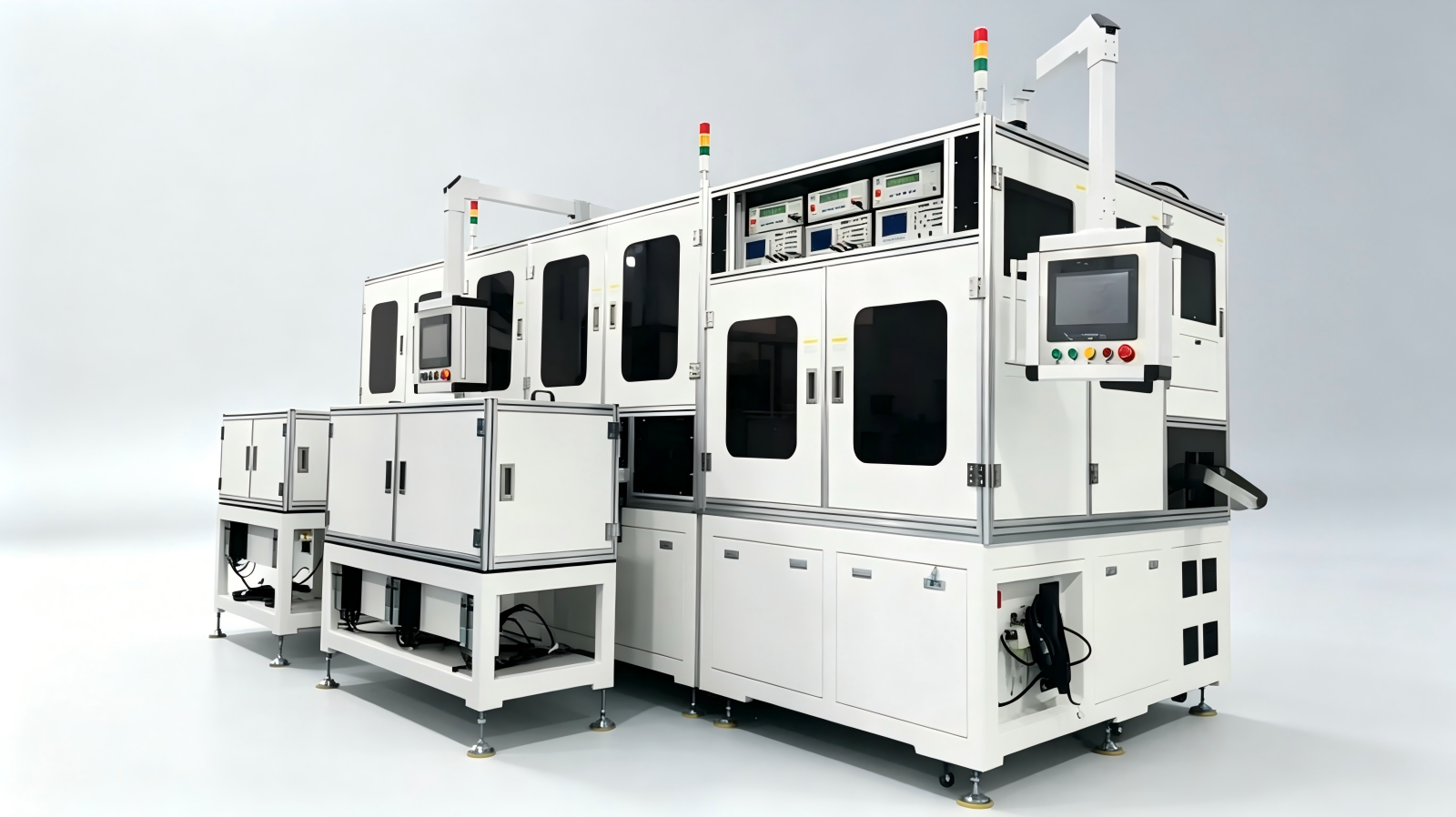
An automated backplane connector assembly line is a production system specifically designed to assemble backplane connectors with high precision and efficiency. The line integrates various automated processes, including wire feeding, terminal crimping, connector insertion, routing, bundling, and quality inspection. Each stage is synchronized through a central control system to maintain consistent production flow and reduce potential assembly errors.
Unlike traditional manual assembly, where operators manually handle each wire and connector, an automated backplane connector assembly line ensures repeatable accuracy for every connection. This is particularly important for high-density and high-speed connectors, where even slight misalignments can result in signal loss or system failure. Modern systems also incorporate advanced features such as vision inspection, real-time monitoring, and data collection, which further enhance reliability and enable process optimization.
Additionally, automated backplane connector assembly lines are designed to be flexible and scalable. They can accommodate different connector types, cable configurations, and production volumes, making them suitable for both high-volume industrial manufacturing and specialized applications. By standardizing complex assembly processes, these systems allow manufacturers to achieve consistent quality, reduce labor costs, and maintain competitive advantage in the market.
How Does an Automated Backplane Connector Assembly Line Work?
An automated backplane connector assembly line operates through a series of precisely coordinated steps that transform raw materials into fully assembled backplane connectors. The process begins with wire preparation, where cables are accurately cut, stripped, and fed into the system using specialized wire processing equipment. Precision at this stage ensures that terminals can be securely attached and connectors can be assembled without errors.
Next, terminals are crimped or welded onto the wires using automated crimping systems. These machines apply controlled force or heat to ensure strong, reliable connections that meet industry standards. Once the terminals are attached, the wires are guided into connector housings using robotic insertion mechanisms or automated alignment tools. This ensures proper positioning, alignment, and locking of each wire into the connector.
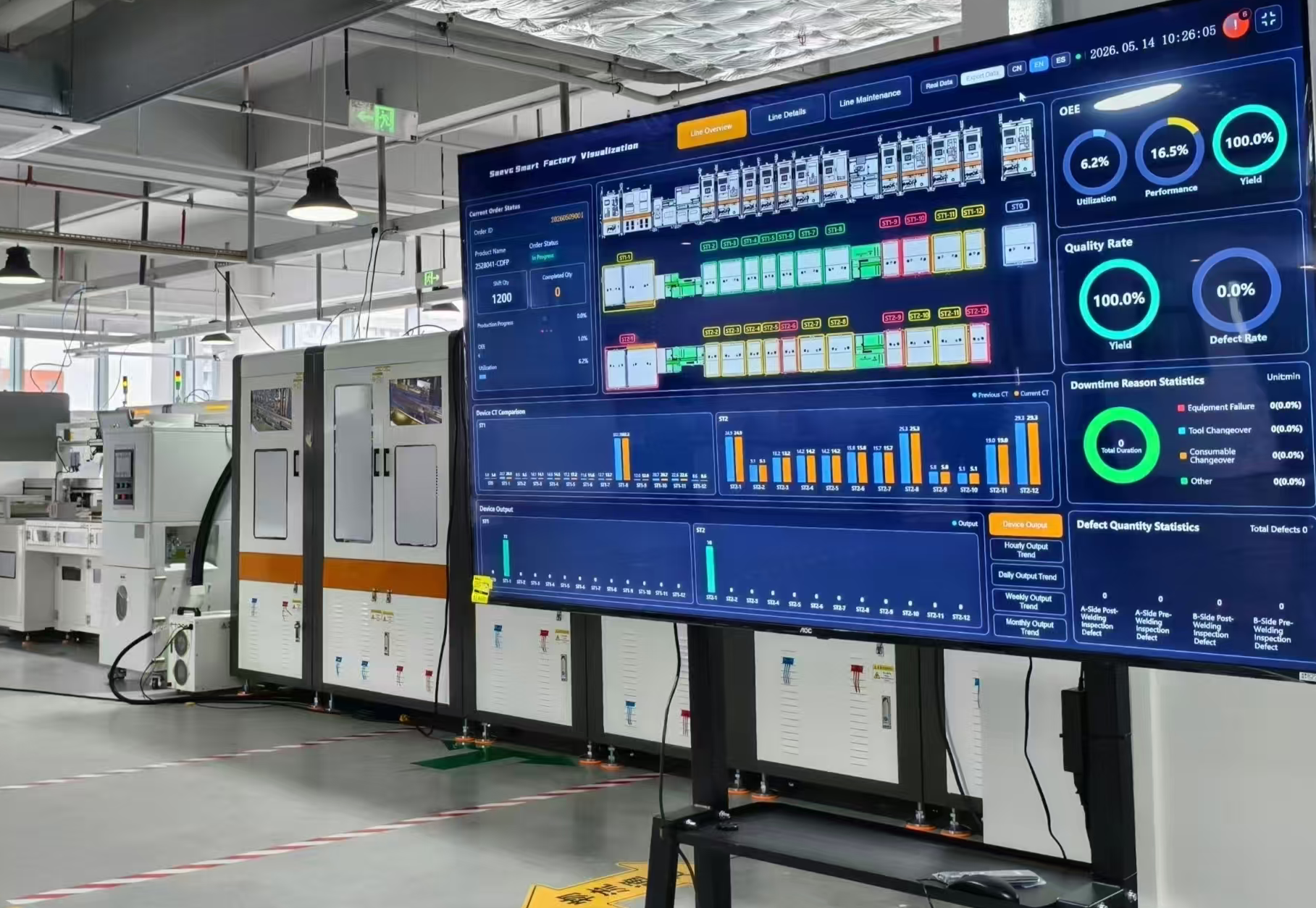
After assembly, the backplane connectors undergo rigorous inspection and testing. Vision systems detect visual defects, while electrical testing ensures continuity, resistance, and signal integrity. Data from these inspections is collected in real-time and fed into industrial data management systems for analysis and process improvement. Throughout the process, centralized control software synchronizes operations, monitors equipment performance, and ensures that production goals are met efficiently.
By integrating these steps into a seamless workflow, an automated backplane connector assembly line reduces human error, increases throughput, and guarantees consistent product quality, making it indispensable for modern manufacturing environments.

Key Components of an Automated Backplane Connector Assembly Line
An automated backplane connector assembly line consists of several critical components, each contributing to efficient production and high-quality output:
Wire Preparation Units
Wire preparation units cut, strip, and feed wires with precise tolerances. Accurate wire handling is essential for proper terminal attachment and connector assembly, ensuring each connection meets strict industry standards. Advanced systems can process multiple wire types and lengths simultaneously, increasing throughput and efficiency.
Crimping and Terminal Attachment Stations
Crimping and terminal attachment stations use controlled force to secure terminals onto wires. Automation ensures uniform pressure and precise alignment, reducing the risk of defective connections. These systems often include monitoring features to detect deviations and maintain consistent quality.
Connector Insertion Modules
Connector insertion modules accurately place wires into backplane connectors. Precision robotic mechanisms and sensor-based alignment ensure proper fit and secure locking. This stage is particularly critical for high-density connectors, where misalignment can result in performance issues.
Inspection and Testing Systems
Inspection and testing systems verify both mechanical integrity and electrical performance. Vision inspection detects visual defects, while electrical tests confirm continuity, resistance, and signal quality. Real-time monitoring enables quick corrective actions, ensuring only compliant products reach the next stage.
Centralized Control and Data Management
Industrial data management systems collect and analyze performance metrics from all stations. Centralized control synchronizes operations, monitors equipment health, and supports process optimization. This data-driven approach enhances efficiency, reduces downtime, and ensures consistent production quality.
Industrial Benefits of Automated Backplane Connector Assembly Lines
The industrial benefits of automated backplane connector assembly lines are significant. First, these systems increase production efficiency by reducing manual labor and streamlining workflows. High-speed automation allows manufacturers to meet tight production schedules and scale output without compromising quality.
Second, automation improves product quality. Consistent assembly processes, combined with real-time inspection and testing, ensure that every connector meets precise specifications. This reduces defective products, minimizes rework, and enhances system reliability—critical factors for industries relying on backplane connectors for mission-critical applications.
Third, automated systems reduce operational costs. By minimizing manual labor, lowering error rates, and optimizing material use, manufacturers can achieve cost savings while maintaining high-quality standards. Additionally, predictive maintenance supported by industrial data management reduces unexpected downtime and extends equipment life.
Finally, automated backplane connector assembly lines provide scalability and flexibility. Manufacturers can adjust production volumes, integrate new connector designs, or reconfigure workflows to adapt to evolving market demands. This flexibility is essential for maintaining competitiveness in rapidly changing industrial and electronics markets.
Applications of Automated Backplane Connector Assembly Lines
Automated backplane connector assembly lines are widely used across industries that require high-reliability and high-density connectors. Key applications include:
· Data Centers: Assembly of connectors for servers and networking equipment to ensure high-speed data transmission.
· Telecommunications: Connectors for routers, switches, and communication infrastructure with precise alignment and durability.
· Industrial Automation: Reliable connectors for control systems, robotics, and factory automation equipment.
· Electronics Manufacturing: High-density backplane connectors for advanced electronic systems and consumer devices.
The versatility of automated assembly lines allows manufacturers to handle both mass production and specialized requirements, ensuring consistent performance across applications.
Mijoint’s Automated Backplane Connector Assembly Solutions
Mijoint offers comprehensive solutions for automated backplane connector assembly, combining advanced wire processing, terminal attachment, connector insertion, and inspection technologies. By integrating these systems, Mijoint ensures high precision, efficiency, and reliability in production.
With strong R&D capabilities and modular automation platforms, Mijoint customizes assembly lines to meet specific industrial requirements. Clients benefit from optimized workflows, reduced labor costs, enhanced throughput, and consistent product quality. These solutions make Mijoint a trusted partner for manufacturers aiming to implement intelligent, scalable, and efficient connector assembly processes.
Conclusion
An automated backplane connector assembly line is essential for modern manufacturing environments that require high precision, efficiency, and reliability. By automating complex assembly tasks, integrating advanced inspection systems, and leveraging industrial data management, these assembly lines provide significant industrial benefits, including cost reduction, higher throughput, and consistent product quality.
FAQ About Automated Backplane Connector Assembly Line
Q1: What is an automated backplane connector assembly line used for?
An automated backplane connector assembly line is used to assemble high-density connectors efficiently, including wire preparation, terminal attachment, connector insertion, and testing, ensuring reliable industrial performance.
Q2: How does an automated backplane connector assembly line enhance industrial efficiency?
It enhances efficiency by automating repetitive processes, reducing manual labor, and providing real-time monitoring, which increases throughput and ensures consistent product quality.
Q3: Can an automated backplane connector assembly line handle different connector types?
Yes, modern systems are modular and flexible, allowing customization to accommodate various backplane connector designs, wire sizes, and production volumes.
Q4: What are the main industrial benefits of using an automated backplane connector assembly line?
Benefits include increased production efficiency, improved product quality, reduced operational costs, and scalable manufacturing capabilities for diverse applications.
Q5: Which industries primarily use automated backplane connector assembly lines?
Industries such as data centers, telecommunications, industrial automation, and electronics manufacturing rely on these systems for high-reliability connector assembly.