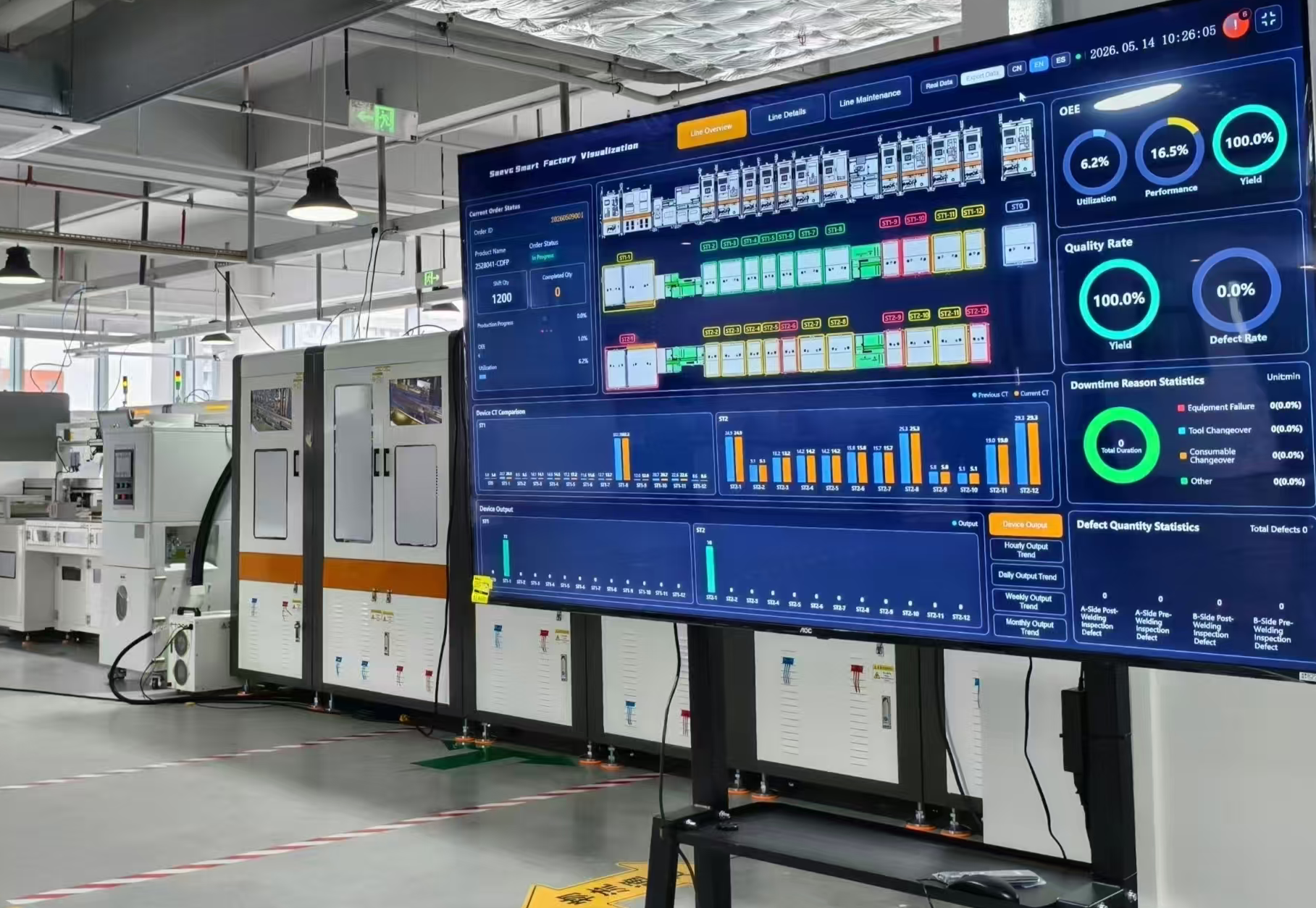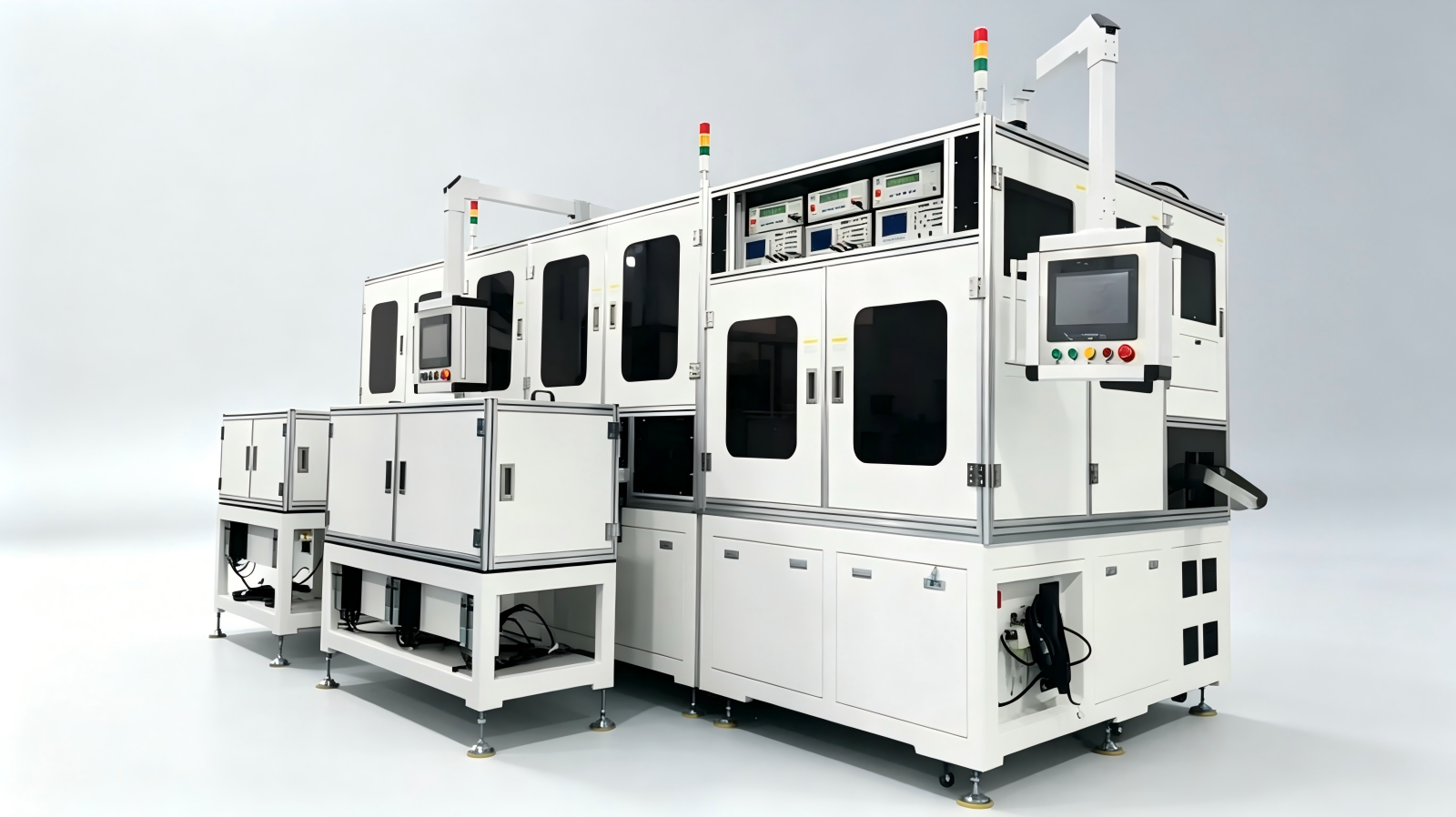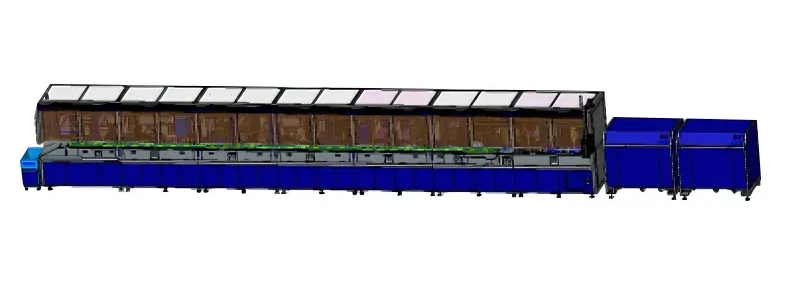
An automated FAKRA cable assembly line provides a highly efficient and reliable solution to meet these demands. By integrating advanced automation technologies, manufacturers can achieve consistent quality, high production speed, and reduced labor dependency. This is especially important in industries where even minor defects can lead to signal loss or system failure.
As production volumes continue to increase and product complexity grows, adopting automated assembly solutions is essential. An automated FAKRA cable assembly line not only improves efficiency but also ensures that each cable meets strict performance standards, making it a critical component in modern manufacturing systems.
What is an Automated FAKRA Cable Assembly Line?
An automated FAKRA cable assembly line is a specialized production system designed to assemble FAKRA connectors and cables using automated processes. It integrates multiple stages of cable preparation and connector assembly into a continuous workflow, ensuring high efficiency and consistent quality.
The system typically includes processes such as cable cutting, stripping, crimping, connector insertion, and testing. Each process is performed by dedicated modules that are controlled centrally, allowing precise synchronization and coordination. This integration eliminates the need for manual intervention, reducing variability and improving production speed.
One of the key characteristics of this system is its ability to handle high-frequency cable requirements. FAKRA cables must meet strict standards for impedance and signal integrity, which require precise assembly and quality control. An automated FAKRA cable assembly line ensures that these requirements are consistently met, making it ideal for automotive and communication applications.
In addition, modern systems are designed to be flexible and scalable. They can be configured to handle different connector types and production volumes, allowing manufacturers to adapt to changing market demands without significant reconfiguration.
How Does an Automated FAKRA Cable Assembly Line Work?
An automated FAKRA cable assembly line operates as an integrated system where multiple automated stations perform specific tasks in a coordinated sequence. The process begins with feeding raw cable materials into the system, where they are processed through various stages to become finished assemblies.
The first stage involves cutting the cable to the required length with high precision. This is followed by insulation stripping, where the outer layer is removed without damaging the conductor. The cable is then prepared for connector attachment through processes such as crimping or soldering, depending on the design requirements.
Next, the FAKRA connector is assembled onto the cable. This step requires high accuracy to ensure proper alignment and secure locking. Automated systems use advanced positioning mechanisms and sensors to achieve consistent results. After assembly, the cable undergoes testing to verify electrical performance, including signal integrity and continuity.
Throughout the process, the system uses sensors and control systems to monitor key parameters and ensure quality. Any deviation is detected immediately, allowing corrective actions to be taken. This level of automation ensures efficient and reliable production.

Key Components of an Automated FAKRA Cable Assembly Line
An automated FAKRA cable assembly line consists of several essential components that work together to ensure efficient operation and high-quality output. Each component plays a specific role in the production process.
Cable Processing Module
This module handles tasks such as cutting and stripping cables. It ensures precise length control and accurate removal of insulation, which are critical for proper assembly and performance. Advanced systems can process multiple cable types and sizes with high efficiency.
Crimping or Soldering System
The crimping or soldering system attaches connectors to the cable. It uses controlled force or heat to create a strong and reliable connection. Automated systems ensure consistent results and reduce the risk of defects.
Connector Assembly Module
This module is responsible for inserting and securing FAKRA connectors onto the cable. It uses precision positioning and alignment systems to ensure correct assembly. Error-proofing mechanisms help prevent incorrect connections.
Testing and Inspection System
Testing systems verify the electrical performance of the assembled cables. They check parameters such as continuity, impedance, and signal integrity. Vision inspection systems may also be used to detect visual defects and ensure quality.
Key Advantages of Automated FAKRA Cable Assembly Line
An automated FAKRA cable assembly line offers several advantages that make it an essential solution for modern manufacturing. One of the most significant benefits is improved production efficiency. By automating the entire process, manufacturers can achieve high output levels with minimal manual intervention.
Another important advantage is consistent quality. Automation ensures that each cable is produced under the same controlled conditions, reducing variability and improving reliability. This is particularly important for high-frequency applications where performance depends on precise assembly.
Cost reduction is also a key benefit. Although the initial investment may be higher, automation reduces labor costs and minimizes material waste. Over time, this leads to significant savings and improved profitability.
Additionally, the system enhances scalability. Manufacturers can increase production capacity by adding modules or upgrading equipment, making it easier to meet growing demand. Overall, an automated FAKRA cable assembly line provides a combination of efficiency, quality, and flexibility.
Applications of Automated FAKRA Cable Assembly Line
An automated FAKRA cable assembly line is widely used in industries that require high-frequency signal transmission and reliable cable assemblies. The automotive industry is one of the primary users, where FAKRA cables are used in systems such as navigation, cameras, and advanced driver-assistance systems.
In telecommunications, FAKRA cables are used for high-speed data transmission. The assembly line ensures consistent quality, which is essential for maintaining signal integrity. Consumer electronics is another important application area, where the demand for compact and reliable connections continues to grow.
Industrial automation systems also rely on high-quality cables for communication and control. The ability to produce these cables efficiently and reliably makes automated assembly lines a valuable asset in these industries.
How to Choose the Right Automated FAKRA Cable Assembly Line
Choosing the right automated FAKRA cable assembly line requires careful consideration of production requirements and technical specifications. Manufacturers should evaluate factors such as cable type, connector design, and production volume.
One important factor is precision. The system must be capable of meeting strict requirements for signal integrity and assembly accuracy. Another factor is flexibility, as the ability to handle different product types can improve efficiency and reduce costs.
Integration capability is also important. The assembly line should be compatible with existing production systems and support future upgrades. Finally, selecting a reliable supplier with strong technical support and customization capabilities ensures long-term success.
Mijoint’s Automated FAKRA Cable Assembly Solutions
Mijoint is a professional automation systems integrator specializing in advanced cable assembly solutions. With years of experience in designing and implementing automation for the electronics and automotive industries, we focus on delivering high-performance, reliable, and scalable systems. Our expertise covers everything from wiring harness assembly to high-frequency connector production, helping manufacturers improve efficiency, reduce costs, and achieve intelligent manufacturing.
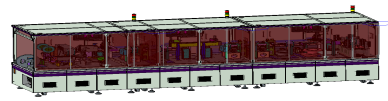
Our Automated FAKRA Cable Assembly Line is a high-performance automation system designed for FAKRA cable production. It integrates cable processing, connector assembly, and inspection technologies to deliver precise, efficient, and reliable results.
Our systems are widely applied in automotive wiring harness manufacturing, electronics production, and high-frequency communication industries. With customized solutions tailored to specific production requirements, we help clients reduce costs, improve efficiency, and achieve intelligent manufacturing.
Conclusion
An automated FAKRA cable assembly line is a critical solution for industries requiring high precision and reliable cable production. It offers significant advantages in efficiency, quality, and scalability, making it an essential part of modern manufacturing.
FAQ About Automated FAKRA Cable Assembly Line
Q1: What is an automated FAKRA cable assembly line used for?
An automated FAKRA cable assembly line is used to produce FAKRA cable assemblies with high precision and efficiency. It automates processes such as cutting, stripping, and connector assembly.
Q2: How does an automated FAKRA cable assembly line improve production efficiency?
An automated FAKRA cable assembly line improves efficiency by integrating multiple processes into a continuous workflow, reducing manual labor and increasing output.
Q3: What are the advantages of an automated FAKRA cable assembly line?
An automated FAKRA cable assembly line offers advantages such as consistent quality, high production speed, reduced costs, and improved reliability.
Q4: Can an automated FAKRA cable assembly line handle different cable types?
Yes, an automated FAKRA cable assembly line can be configured to handle different cable types and connector designs, making it highly flexible.
Q5: Which industries use an automated FAKRA cable assembly line the most?
Industries such as automotive, telecommunications, and consumer electronics widely use automated FAKRA cable assembly lines for high-quality cable production.