.png)
Introduction: The Role of Connector Assembly in Modern Manufacturing
Connectors are fundamental components in electrical and electronic systems, serving as critical links between devices, circuits, and wiring harnesses. In industries like automotive, consumer electronics, telecommunications, and industrial automation, connectors must meet precise standards for signal integrity, mechanical durability, and safety. Manual assembly of connectors can be labor-intensive, inconsistent, and prone to human error, especially when dealing with high-volume or complex products.
An automatic connector assembly line provides an innovative solution to these challenges. By integrating multiple automated processes into a single production workflow, manufacturers can achieve higher efficiency, consistent quality, and scalable output. Such systems minimize manual handling, reduce assembly errors, and ensure precise placement of connectors and terminals.
The importance of automation has grown alongside the increasing complexity of modern products. With connectors becoming smaller, more intricate, and subject to tighter tolerances, an automatic connector assembly line ensures that production meets both efficiency and quality requirements. This article explores what these assembly lines are, how they operate, and the benefits they offer for manufacturers aiming to improve efficiency.
What is an Automatic Connector Assembly Line?
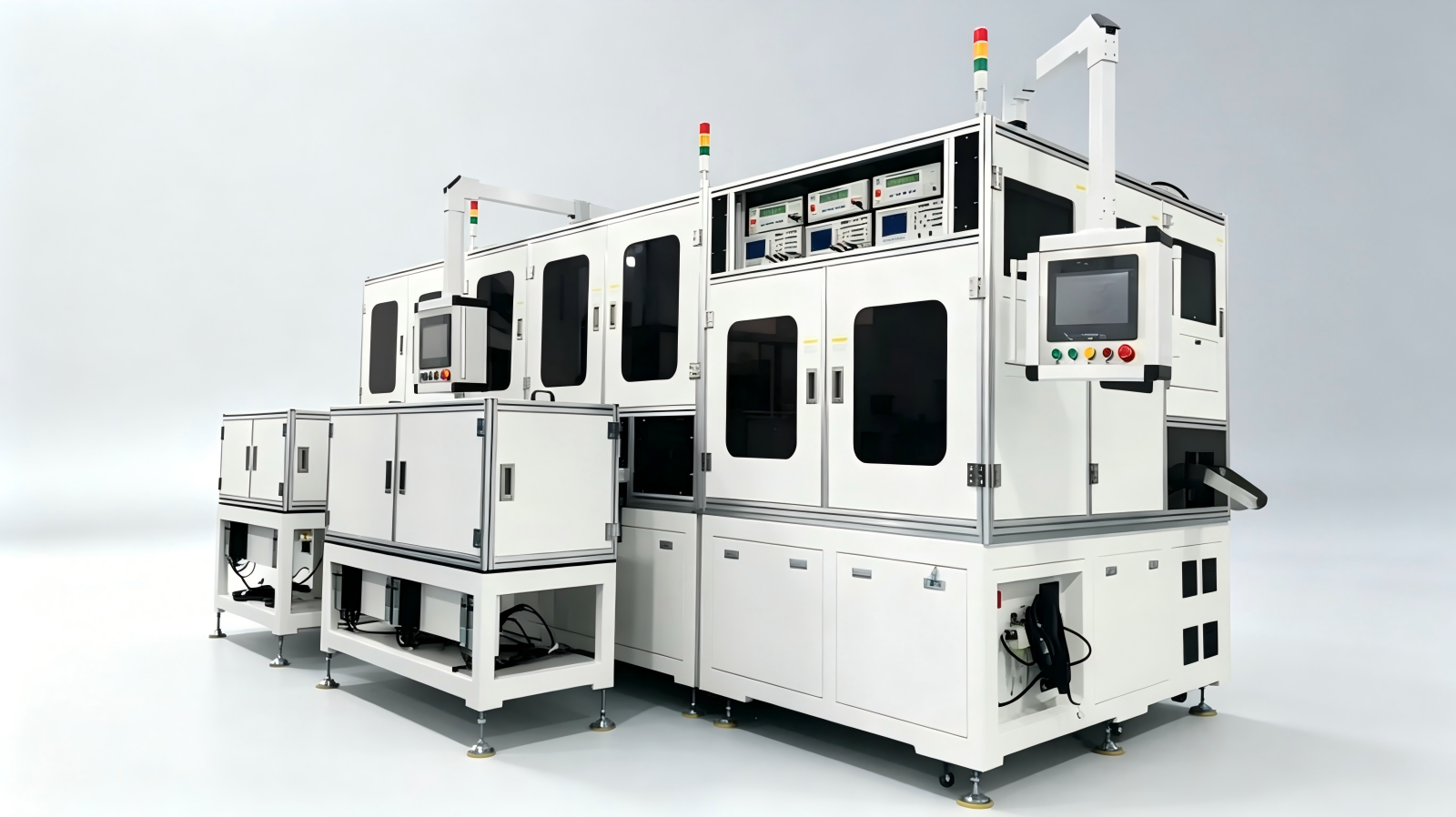
An automatic connector assembly line is a production system designed to assemble electrical connectors efficiently and consistently. It integrates multiple stages of assembly, such as wire feeding, terminal crimping, connector insertion, testing, and inspection, into a continuous workflow. Each process is automated and synchronized through a central control system, ensuring high precision and repeatability.
Unlike manual assembly, which relies heavily on human skill and is limited by fatigue and variability, automatic systems deliver consistent results with minimal error. This is especially critical for high-density connectors and applications requiring precise alignment and secure locking mechanisms.
Modern automatic connector assembly lines often include programmable modules that can handle different connector types, wire gauges, and production volumes. Some systems also incorporate vision inspection and real-time monitoring to ensure each assembly meets predefined quality standards. By standardizing complex assembly processes, these lines allow manufacturers to maintain consistent quality, scale production efficiently, and reduce labor costs.
How Does an Automatic Connector Assembly Line Work?
An automatic connector assembly line functions through a series of coordinated processes that transform raw materials into fully assembled connectors. The workflow begins with wire preparation, including cutting and stripping, using precise cable processing equipment. Wires are then fed into automated crimping or soldering stations, where terminals are attached reliably and consistently.
After terminal attachment, the wires are inserted into connectors. Automated positioning systems and sensors ensure proper alignment and locking. Once the assembly is complete, the connector undergoes quality inspection, which may include electrical testing for continuity and resistance, as well as visual verification using vision systems.
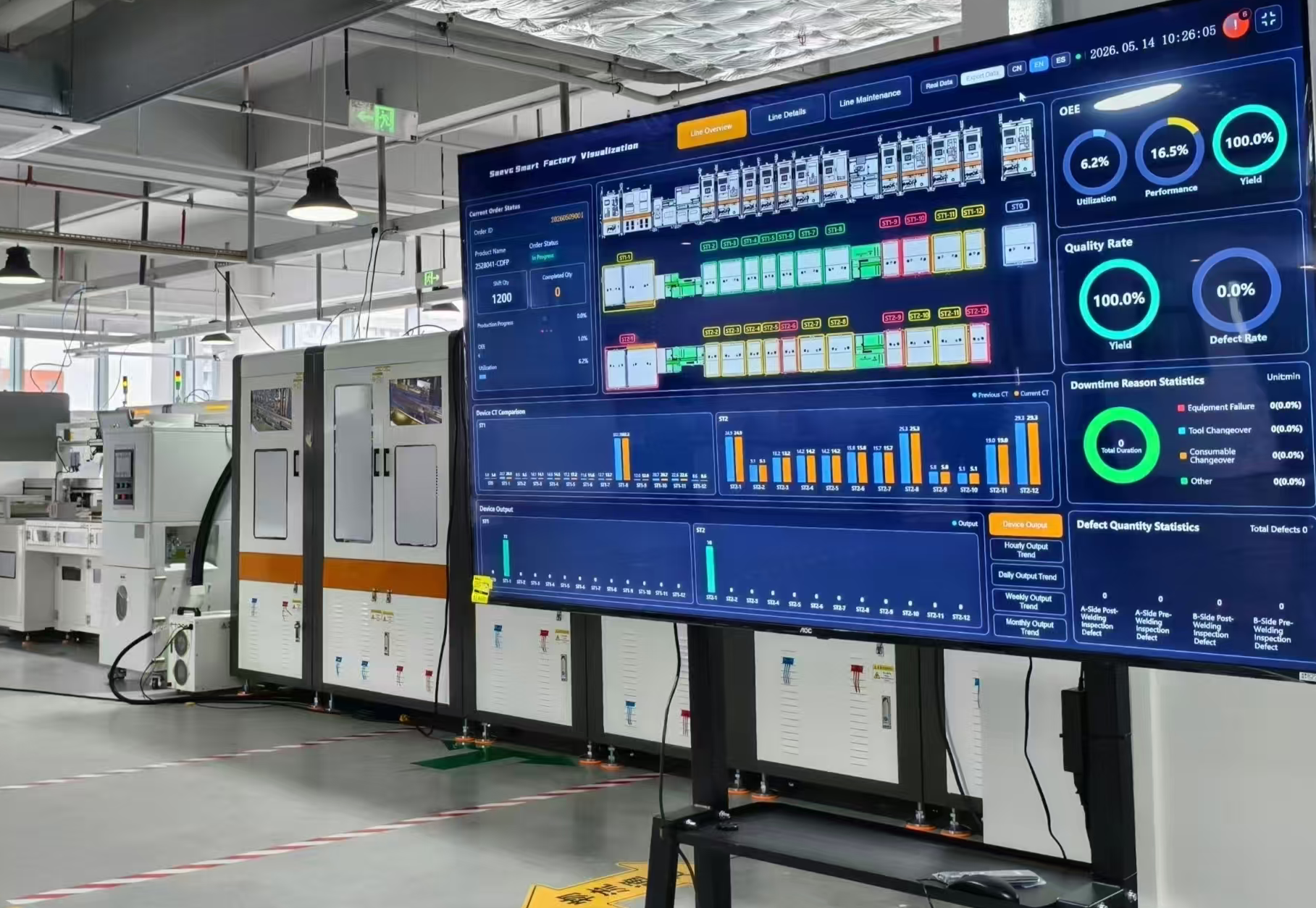
Centralized software manages the entire process, monitoring each stage for errors, synchronizing operations, and generating real-time reports. This not only enhances efficiency but also allows for rapid troubleshooting and process optimization. Some advanced systems include modular designs, making it easy to expand or reconfigure the assembly line to accommodate new connector types or increased production demand.
The entire workflow is designed to minimize manual intervention, reduce bottlenecks, and ensure consistent output quality. By integrating these steps, manufacturers can achieve higher throughput, lower error rates, and more reliable product performance.
Key Components of an Automatic Connector Assembly Line
An automatic connector assembly line consists of several core components that work together to optimize efficiency and quality:
Wire Processing Units
Wire processing units handle tasks such as cutting, stripping, and feeding wires. Precision and consistency are critical at this stage to ensure proper terminal attachment and connector assembly. Advanced units can process multiple wire types and lengths simultaneously, increasing throughput.
Crimping and Soldering Stations
Crimping and soldering stations secure terminals to wires. These systems use controlled force or heat to create durable and reliable connections. Automated stations monitor key parameters to maintain quality consistency, reducing the likelihood of defects.
Connector Insertion Modules
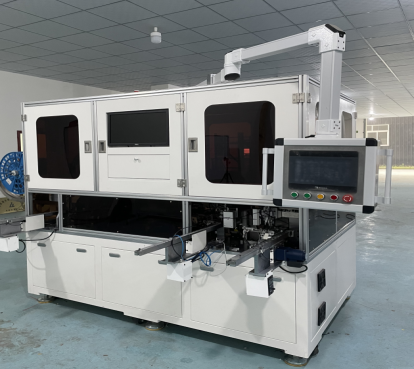
Connector insertion modules precisely position wires into connector housings. Sensors and robotic mechanisms ensure correct alignment and secure locking. This step is essential for high-density connectors where even minor misalignments can lead to functional failure.
Inspection and Testing Systems
Testing modules verify electrical performance and mechanical integrity. Vision inspection systems detect visual defects, while electrical testing ensures proper continuity, resistance, and connectivity. These systems maintain high-quality output and prevent defective assemblies from reaching customers.
Control and Data Management
Centralized control systems monitor all stations, synchronize operations, and collect data for process optimization. Industrial data management systems track performance, detect bottlenecks, and enable predictive maintenance, further enhancing efficiency.
How an Automatic Connector Assembly Line Enhances Efficiency
The efficiency gains of an automatic connector assembly line are substantial. By automating repetitive, high-precision tasks, manufacturers can produce a higher volume of connectors in less time compared to manual methods. This reduces production cycles, minimizes errors, and increases overall throughput.
Automation also standardizes quality, eliminating inconsistencies that often arise from human variability. This results in fewer defective products, less rework, and reduced material waste. Furthermore, modern systems provide real-time monitoring, enabling manufacturers to optimize processes continuously and quickly respond to production issues.
In addition, modular and flexible designs allow manufacturers to scale operations without extensive downtime or costly reconfiguration. By integrating data management and quality inspection tools, automatic connector assembly lines provide both speed and reliability, making them a critical investment for high-volume and high-precision production environments.
Applications of Automatic Connector Assembly Line
Automatic connector assembly lines are widely used in industries where precise electrical connections are critical. Key applications include:
· Automotive: Production of wire harness connectors for lighting, infotainment, and safety systems.
· Consumer Electronics: High-density connectors for devices such as laptops, smartphones, and gaming consoles.
· Industrial Automation: Connectors for robotics, control systems, and machinery.
· Telecommunications: Reliable connectors for networking equipment and communication infrastructure.
The versatility and precision of automated assembly lines make them suitable for both mass production and specialized applications, providing consistent performance across industries.
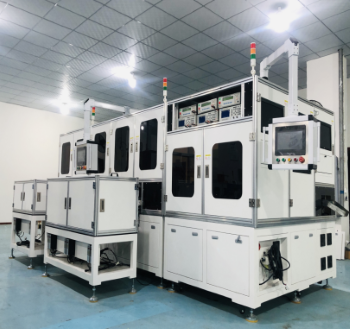
Mijoint’s Automatic Connector Assembly Solutions
Mijoint is a leading automation solutions provider specializing in high-performance automatic connector assembly lines. By integrating advanced wire processing, terminal attachment, connector insertion, and inspection technologies, Mijoint helps manufacturers achieve higher efficiency, consistent quality, and scalable production.
Featured Equipment
1. D325 Automatic Clip Insertion Machine – Automates the insertion of clips into connectors, ensuring high repeatability and reducing manual errors in high-volume production environments.
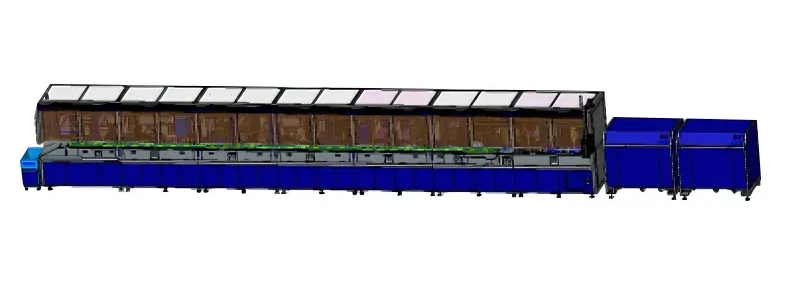
2. SAS Automated Line – A fully integrated assembly line solution combining wire feeding, terminal crimping, connector insertion, and automated inspection for maximum throughput and reliability.
3. J271 Automated Connector Assembly System – Designed for precision assembly of medium- to high-density connectors, providing consistent alignment, secure locking, and scalable production.
4. B901 Connector Assembly Line – Streamlines the production of wire-to-board connectors with automated wire feeding, crimping, and real-time quality verification to minimize defects.
5. G20 Micro Switch Automated Line – Specialized for micro switch connectors, integrating automated assembly, inspection, and testing to meet tight tolerances and high-precision requirements.
With extensive R&D capabilities and flexible modular systems, Mijoint provides customized assembly solutions tailored to specific production needs. These systems help manufacturers increase throughput, reduce labor costs, and maintain consistent connector quality across automotive, consumer electronics, industrial automation, and telecommunications industries.
Conclusion
An automatic connector assembly line is a vital solution for manufacturers seeking higher efficiency, consistent quality, and scalable production. By integrating automated processes and modern monitoring systems, it ensures reliable and cost-effective connector assembly in various industries.
FAQ About Automatic Connector Assembly Line
Q1: What is an automatic connector assembly line used for?
An automatic connector assembly line is used to assemble connectors efficiently, including wire preparation, terminal attachment, connector insertion, and quality testing.
Q2: How does an automatic connector assembly line enhance efficiency compared to manual assembly?
By automating repetitive tasks, synchronizing production steps, and providing real-time monitoring, an automatic connector assembly line increases throughput and reduces errors.
Q3: Which industries benefit the most from an automatic connector assembly line?
Industries such as automotive, consumer electronics, industrial automation, and telecommunications benefit from automated connector assembly for higher efficiency and consistent quality.
Q4: Can an automatic connector assembly line be customized for different connectors?
Yes, modern systems are modular and flexible, allowing customization to handle various connector types, wire sizes, and production volumes.
Q5: What are common ways to optimize an automatic connector assembly line?
Optimization involves integrating automated monitoring systems, standardizing workflows, maintaining equipment regularly, and training operators to ensure high efficiency and quality.