In modern automotive manufacturing, wire harnesses are essential components that enable electrical communication between various systems in a vehicle. From engine control units and lighting systems to infotainment and safety features, every electrical function depends on a reliable wiring network. As vehicles become more advanced, especially with the rise of electric and smart vehicles, the complexity of wire harness systems continues to increase.
Traditional assembly methods often rely on manual labor, which can lead to inconsistencies, higher error rates, and limited production efficiency. These challenges become more significant as production volumes grow and product designs become more complex. To address these issues, manufacturers are turning to automation.
An automotive wire harness assembly line provides a structured and efficient solution by integrating automated processes into a continuous workflow. This approach improves consistency, reduces errors, and enhances productivity. As a result, it has become a critical part of modern automotive production systems, enabling manufacturers to meet high-quality standards and market demands.
What is an Automotive Wire Harness Assembly Line?
An automotive wire harness assembly line is an automated or semi-automated production system designed to assemble wire harnesses efficiently and accurately. It combines multiple processes such as wire cutting, stripping, terminal crimping, connector insertion, routing, bundling, and testing into a unified workflow.
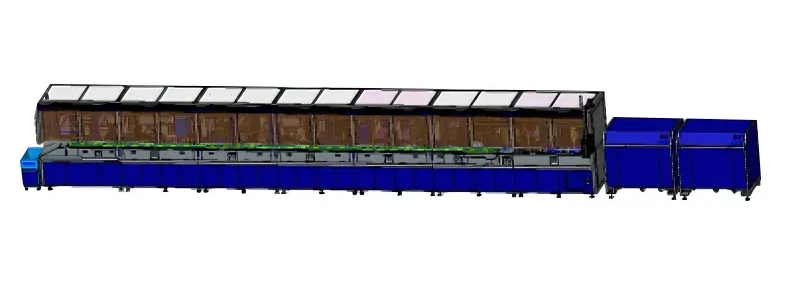
The system is typically organized into sequential stations, each responsible for a specific task. These stations are connected through conveyors or transfer systems, allowing components to move smoothly from one stage to the next. This integration reduces manual handling and ensures consistent processing conditions throughout the production cycle.
One of the key advantages of an automotive wire harness assembly line is its ability to standardize complex assembly processes. By using automated equipment and programmable control systems, manufacturers can achieve high levels of precision and repeatability. This is particularly important for automotive applications, where reliability and safety are critical.
Additionally, modern assembly lines are designed to be flexible and scalable. They can accommodate different harness designs and production volumes, making them suitable for both mass production and customized manufacturing requirements.
How Does an Automotive Wire Harness Assembly Line Work?
An automotive wire harness assembly line operates through a series of coordinated processes that transform raw materials into finished wire harness assemblies. The process begins with wire preparation, where cables are cut to the required length and stripped to expose the conductors. This stage is typically performed using automated cable processing equipment to ensure accuracy and consistency.
Next, terminals are attached to the wires through crimping or welding processes. These connections must be strong and reliable to ensure proper electrical performance. Automated crimping machines with force monitoring systems are commonly used to achieve consistent results.
After terminal attachment, the wires are inserted into connectors according to the design specifications. This step requires precise positioning and alignment to ensure correct assembly. Automated systems use sensors and positioning mechanisms to minimize errors.
The harness is then routed and bundled according to predefined patterns. This may involve the use of fixtures, boards, or robotic systems to guide the wires into the correct configuration. Finally, the assembled harness undergoes inspection and testing to verify electrical performance and structural integrity.
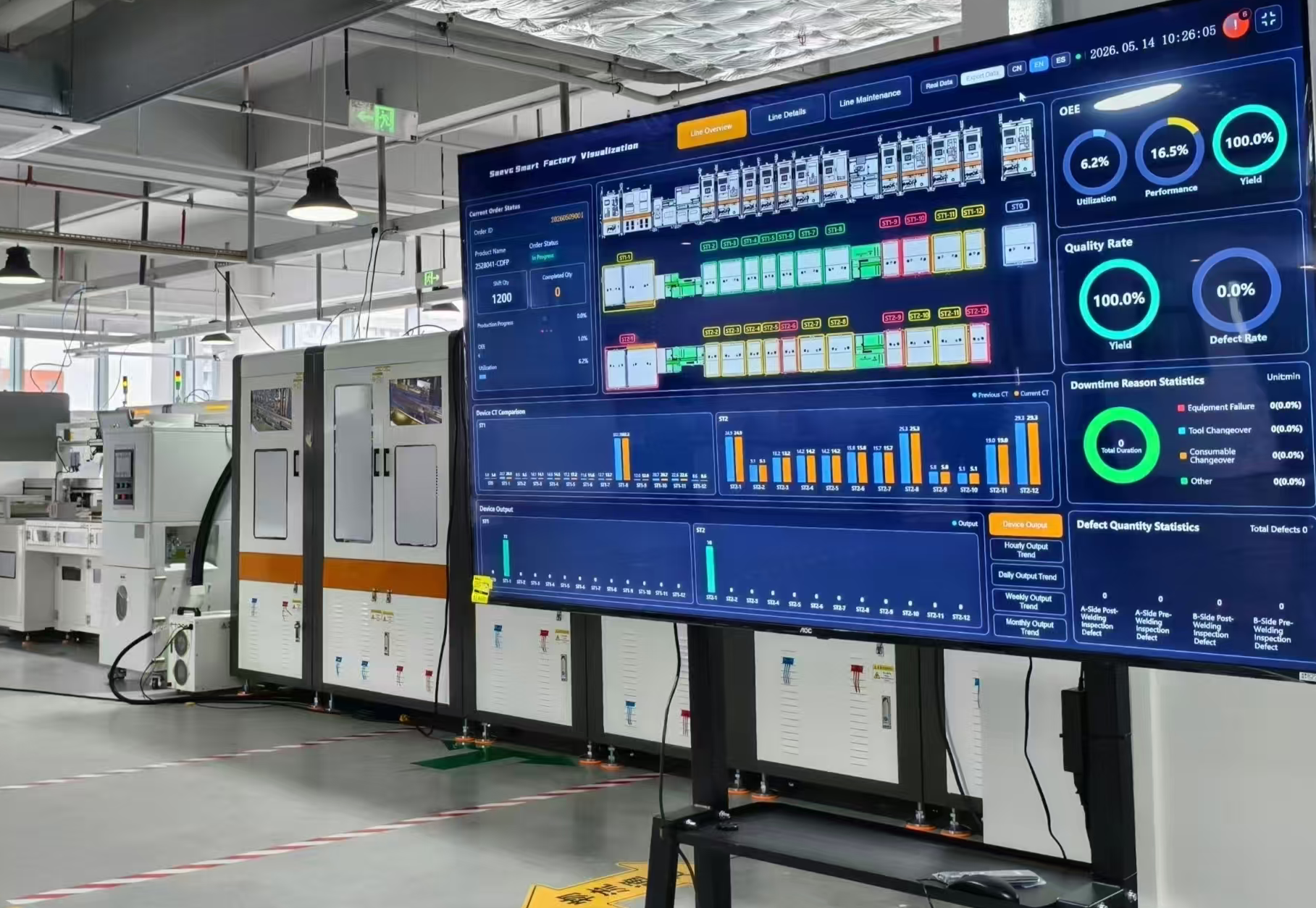
Throughout the process, the system is controlled by centralized software that monitors key parameters and ensures synchronization between different stations. This results in efficient and reliable production.

Key Components of an Automotive Wire Harness Assembly Line
An automotive wire harness assembly line consists of several essential components that work together to ensure efficient operation and high-quality output. Each component plays a specific role in the production process.
Wire Processing Equipment
This equipment handles tasks such as cutting, stripping, and preparing wires. It ensures precise dimensions and clean conductor exposure, which are critical for subsequent assembly steps. Advanced machines can process multiple wire types simultaneously, improving efficiency.
Crimping and Welding Systems
Crimping and welding systems are used to attach terminals to wires. These systems apply controlled force or heat to create secure connections. Automated systems with monitoring capabilities ensure consistent quality and reduce the risk of defects.
Connector Assembly Stations
These stations are responsible for inserting wires into connectors. They use precision alignment and positioning systems to ensure correct assembly. Error-proofing mechanisms help prevent incorrect connections and improve reliability.
Routing and Bundling Systems
Routing systems guide wires into the correct configuration, while bundling systems secure them using tape, clips, or other methods. These processes ensure that the harness meets design specifications and is easy to install in vehicles.
Testing and Inspection Systems
Testing systems verify the electrical performance of the harness, including continuity and resistance. Vision inspection systems may also be used to detect visual defects. These systems ensure that only high-quality products proceed to the next stage.
How to Optimize an Automotive Wire Harness Assembly Line
Optimizing an automotive wire harness assembly line is essential for improving efficiency, reducing costs, and maintaining high product quality. One of the most important strategies is process standardization. By defining clear procedures and parameters for each stage, manufacturers can reduce variability and ensure consistent results.
Another key approach is automation integration. Incorporating advanced technologies such as robotics, vision systems, and data monitoring tools can significantly enhance performance. These technologies enable real-time tracking and analysis, allowing manufacturers to identify inefficiencies and make improvements.
Layout optimization is also critical. A well-designed production line minimizes material handling and reduces bottlenecks. By arranging stations in an efficient sequence, manufacturers can improve workflow and increase throughput.
Regular maintenance and calibration of equipment are essential for maintaining performance. Preventive maintenance helps avoid unexpected downtime and ensures that machines operate at optimal levels.
Finally, operator training plays an important role. Skilled operators can monitor the system effectively, make necessary adjustments, and troubleshoot issues, contributing to overall efficiency and reliability.
Benefits of Optimizing an Automotive Wire Harness Assembly Line
Optimizing an automotive wire harness assembly line provides several significant benefits. One of the main advantages is increased production efficiency. By reducing bottlenecks and improving workflow, manufacturers can produce more units in less time.
Improved quality is another key benefit. Optimization ensures that each process is performed under controlled conditions, reducing defects and improving consistency. This is particularly important in the automotive industry, where reliability and safety are critical.
Cost reduction is also a major advantage. Efficient processes reduce material waste and labor costs, leading to higher profitability. In addition, optimized systems require less rework and maintenance, further reducing expenses.
Finally, optimization enhances scalability. Manufacturers can easily increase production capacity by upgrading equipment or adding new modules. This flexibility allows them to respond quickly to market demands and maintain a competitive edge.

Applications of Automotive Wire Harness Assembly Line
An automotive wire harness assembly line is widely used in the production of various vehicle systems. These include engine wiring, lighting systems, infotainment systems, and advanced driver-assistance systems. Each application requires high precision and reliability to ensure proper performance.
The assembly line is also used in the production of electric vehicles, where wire harnesses play a critical role in battery management and power distribution. As the automotive industry continues to evolve, the demand for advanced wire harness solutions is expected to grow.
In addition to automotive applications, similar assembly technologies are used in other industries such as industrial equipment and consumer electronics. This demonstrates the versatility and importance of automated assembly systems.
Mijoint’s Automotive Wire Harness Assembly Solutions
Mijoint is a professional automation systems integrator specializing in advanced assembly solutions for automotive wire harnesses. The company provides high-performance systems designed to optimize efficiency, precision, and reliability in modern manufacturing.
Featured Equipment
1. RT Version Ethernet Cable Assembly & Inspection Equipment – Automates the cutting, stripping, crimping, and inspection of Ethernet cables, ensuring high precision and consistent quality for automotive and industrial applications.
2. FAKRA Board End Connector Assembly Equipment – Streamlines the assembly of FAKRA board-end connectors with high repeatability and reduced error rates, ideal for infotainment and vehicle communication systems.
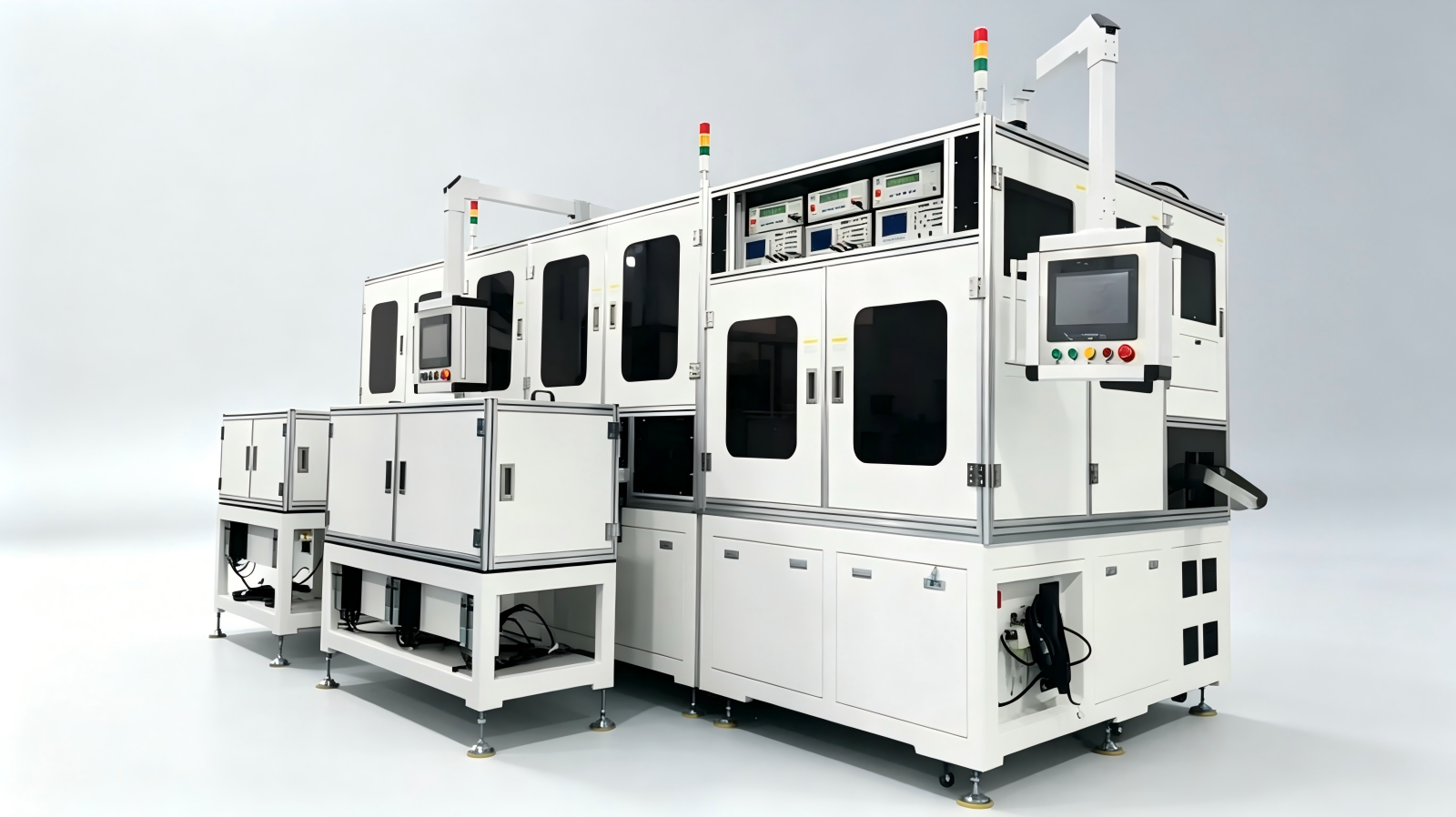
3. FAKRA Wire Harness Assembly & Inspection Equipment – Provides an integrated solution for FAKRA wire harness production, including routing, bundling, connector assembly, and automated inspection to maintain automotive-grade reliability.
With strong R&D capabilities and extensive industry experience, Mijoint offers customized assembly line solutions tailored to specific production needs. Their systems help manufacturers increase efficiency, reduce labor costs, and ensure consistent product quality, supporting both traditional vehicles and advanced electric and smart vehicles.
Conclusion
An automotive wire harness assembly line is an essential solution for modern automotive manufacturing, enabling efficient, precise, and scalable production. Optimizing the assembly line further enhances performance, quality, and competitiveness.
FAQ About Automotive Wire Harness Assembly Line
Q1: What is an automotive wire harness assembly line used for?
An automotive wire harness assembly line is used to assemble wire harnesses efficiently and accurately, including processes such as cutting, crimping, connector insertion, and testing.
Q2: How does an automotive wire harness assembly line improve production efficiency?
An automotive wire harness assembly line improves efficiency by automating multiple processes, reducing manual labor, and ensuring consistent production quality.
Q3: What are the benefits of optimizing an automotive wire harness assembly line?
Optimizing an automotive wire harness assembly line improves efficiency, reduces costs, enhances product quality, and increases production capacity.
Q4: Can an automotive wire harness assembly line be customized?
Yes, an automotive wire harness assembly line can be customized to meet specific production requirements, including different harness designs and production volumes.
Q5: Which industries use an automotive wire harness assembly line the most?
The automotive industry is the primary user of automotive wire harness assembly lines, but similar systems are also used in electronics and industrial automation.