Introduction: The Role of Data in Modern Manufacturing
In today’s competitive manufacturing landscape, data is one of the most valuable assets a factory can have. From production metrics to machine performance, quality measurements, and inventory tracking, accurate and timely information is crucial for operational efficiency and strategic decision-making. Without proper data management, factories risk inefficiencies, higher defect rates, and missed opportunities for optimization.
An industrial data management system provides a centralized platform to collect, process, store, and analyze data from multiple sources within a factory. This system enables manufacturers to make data-driven decisions, monitor production in real time, and identify potential issues before they escalate. It is particularly important in automated manufacturing environments, where multiple machines, sensors, and assembly lines generate vast amounts of data continuously.
This article explores what an industrial data management system is, how it functions, the benefits it brings to modern factories, and why implementing such a system can be a game-changer for manufacturers looking to improve productivity, quality, and cost efficiency.
What is an Industrial Data Management System?
An industrial data management system is a software-driven solution designed to manage and analyze production data across an entire manufacturing facility. Unlike basic monitoring tools, this system provides comprehensive oversight by integrating data from machines, sensors, automated assembly lines, and other sources into a single platform. The goal is to provide real-time visibility, actionable insights, and predictive analytics that can enhance decision-making and operational efficiency.
Key features often include data acquisition, storage, visualization, reporting, and integration with other manufacturing systems. By standardizing and centralizing data, the system eliminates fragmented information silos that often occur in large factories. This enables engineers and managers to quickly identify inefficiencies, detect anomalies, and optimize production workflows. An industrial data management system can handle large volumes of data generated by modern automated production lines, including high-speed cable assembly lines, connector assembly systems, and AI-driven inspection machines.
Overall, the system acts as a backbone for smart factories, supporting initiatives such as Industry 4.0, predictive maintenance, and lean manufacturing. By providing reliable, accessible, and actionable data, manufacturers can improve both product quality and operational efficiency across multiple production lines.
How Does an Industrial Data Management System Work?
An industrial data management system works by collecting data from various machines, sensors, and production lines in real time. Data acquisition modules interface with equipment such as automated assembly machines, welding systems, or vision inspection stations to capture key metrics, including cycle times, output counts, error rates, and environmental conditions.
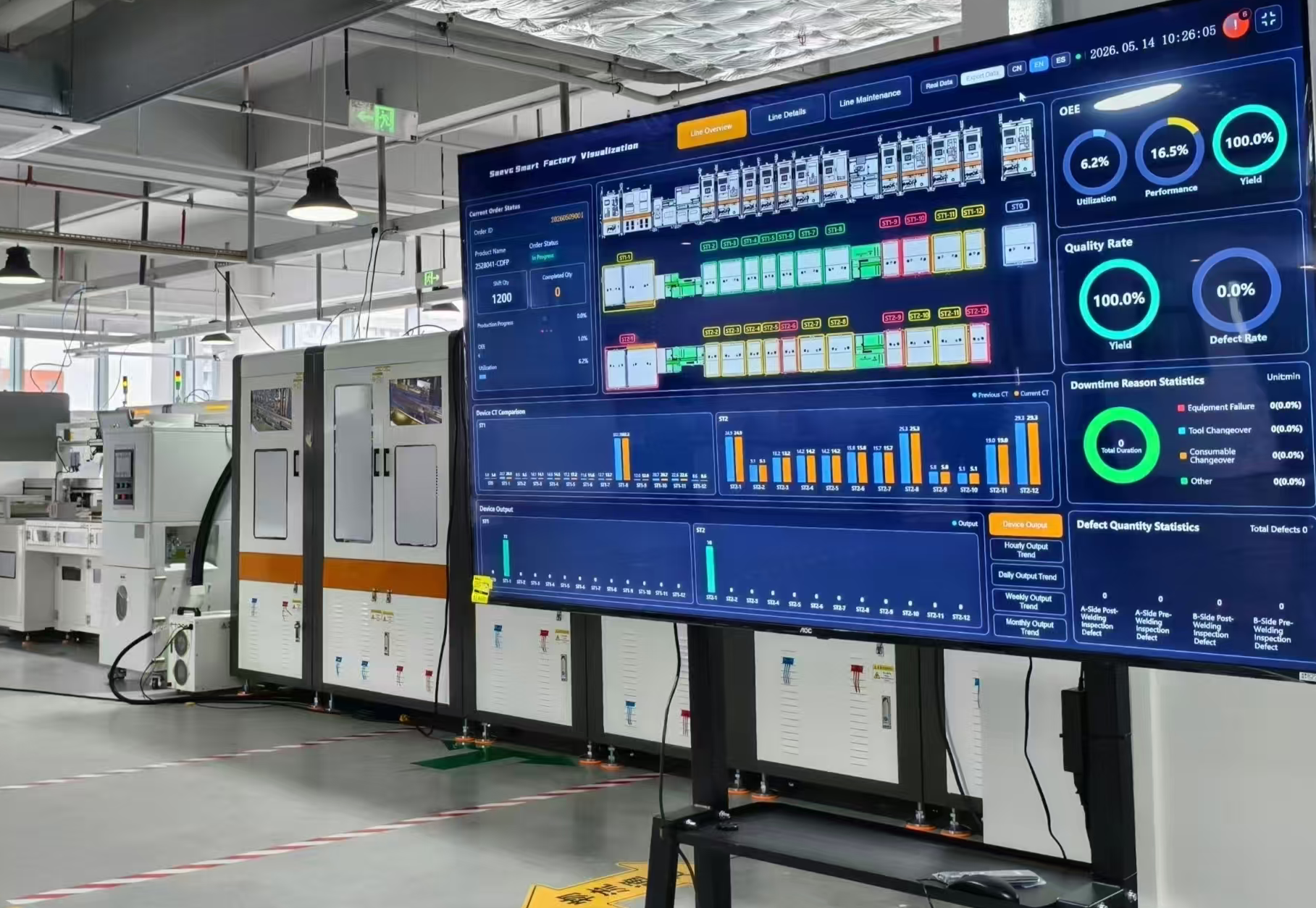
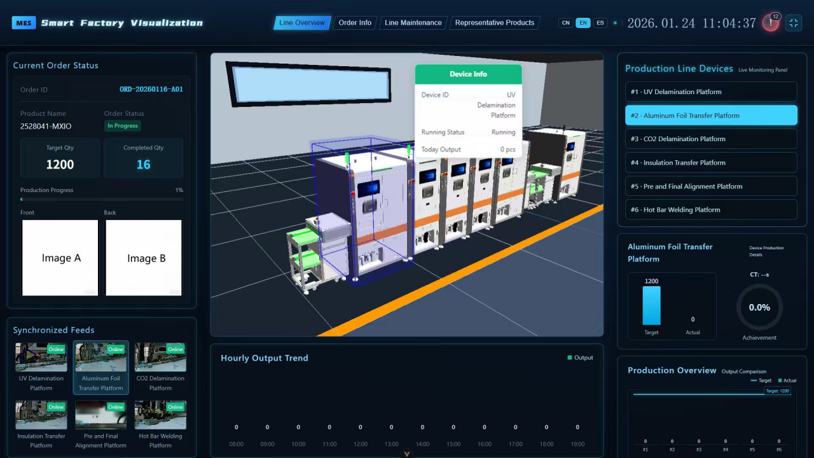
Once collected, data is processed and stored in a centralized database. Advanced analytics tools then transform this raw data into actionable insights. Dashboards display key performance indicators (KPIs), trends, and potential anomalies, allowing factory managers to monitor operations in real time. The system can also generate alerts or automated actions if specific thresholds are exceeded, helping prevent downtime or quality defects.
Integration is a critical component. Industrial data management systems often connect with enterprise resource planning (ERP) systems, quality management systems, and other automation software. This connectivity allows for a holistic view of operations and supports decision-making that aligns production with business goals. By leveraging real-time and historical data, factories can perform root cause analysis, optimize workflows, and implement predictive maintenance to reduce unexpected breakdowns and minimize production losses.
Key Components of an Industrial Data Management System
An effective industrial data management system consists of several essential components:
Data Acquisition Modules
These modules interface with factory machines, sensors, and equipment to capture accurate, real-time production data. The quality of data acquisition directly impacts the reliability of insights and decision-making.
Centralized Database
The centralized database stores all collected data in a structured format, allowing for easy retrieval, analysis, and reporting. This eliminates fragmented information across multiple systems and locations.
Analytics and Visualization Tools
Advanced analytics tools process raw data to generate actionable insights. Visualization tools such as dashboards and charts make it easier for managers and operators to understand trends, monitor KPIs, and identify potential issues quickly.
Integration with Factory Systems
The system integrates seamlessly with other factory software, including ERP, quality control, and maintenance platforms. This ensures cohesive operation and allows for automated feedback loops.
Predictive Maintenance and Alerts
By analyzing trends and anomalies, the system can predict equipment failures or quality issues before they occur, enabling proactive maintenance and reducing unexpected downtime.
These components collectively ensure that an industrial data management system can effectively monitor, optimize, and control complex manufacturing environments.
Benefits of Implementing an Industrial Data Management System
Implementing an industrial data management system provides numerous advantages:
1. Enhanced Operational Efficiency – Real-time monitoring and data-driven decision-making help identify bottlenecks and optimize workflows.
2. Improved Product Quality – Early detection of anomalies reduces defective products and ensures consistent quality.
3. Cost Reduction – Predictive maintenance, reduced rework, and optimized material usage lower operational costs.
4. Data-driven Decision-making – Centralized data enables better forecasting, planning, and process improvements.
5. Scalability and Flexibility – Modular systems can adapt to new machines, production lines, or product types without significant reconfiguration.
These benefits allow factories to operate smarter, respond faster to challenges, and maintain a competitive edge in high-speed, automated manufacturing environments.
Applications of Industrial Data Management Systems
Industrial data management systems are applicable across various manufacturing sectors, particularly where automation and high data volumes are involved:
· Automotive Manufacturing: Monitor wiring harness assembly lines, welding stations, and connector production.
· Electronics Production: Track assembly, soldering, and inspection processes to maintain high quality.
· Industrial Automation: Oversee complex machinery, robotic systems, and smart factory operations.
· Consumer Goods Manufacturing: Optimize production workflows, quality inspection, and equipment utilization.
By providing centralized control and real-time insights, these systems help factories achieve better efficiency, reduced downtime, and improved quality control across multiple applications.
Mijoint’s Industrial Data Management Solutions
Mijoint is a leading provider of industrial data management systems and smart factory solutions, specializing in integrating automated production, wire processing, and inspection systems into a centralized data-driven platform. By leveraging real-time monitoring, predictive analytics, and actionable insights, Mijoint enables factories to optimize production, improve quality, and reduce operational costs.
Featured Equipment
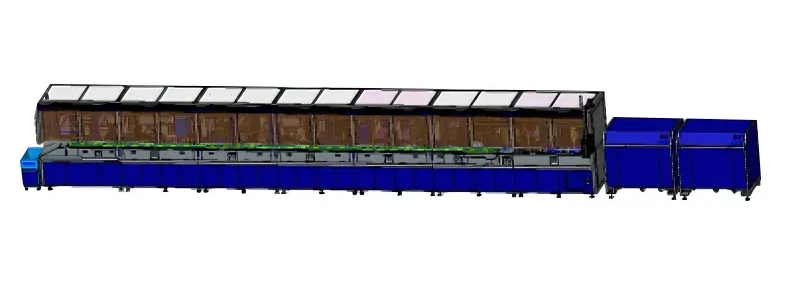
1. MCIO Wire Preparing Automated Line – Automates wire cutting, stripping, and preparation while capturing key production data for real-time monitoring and analytics.
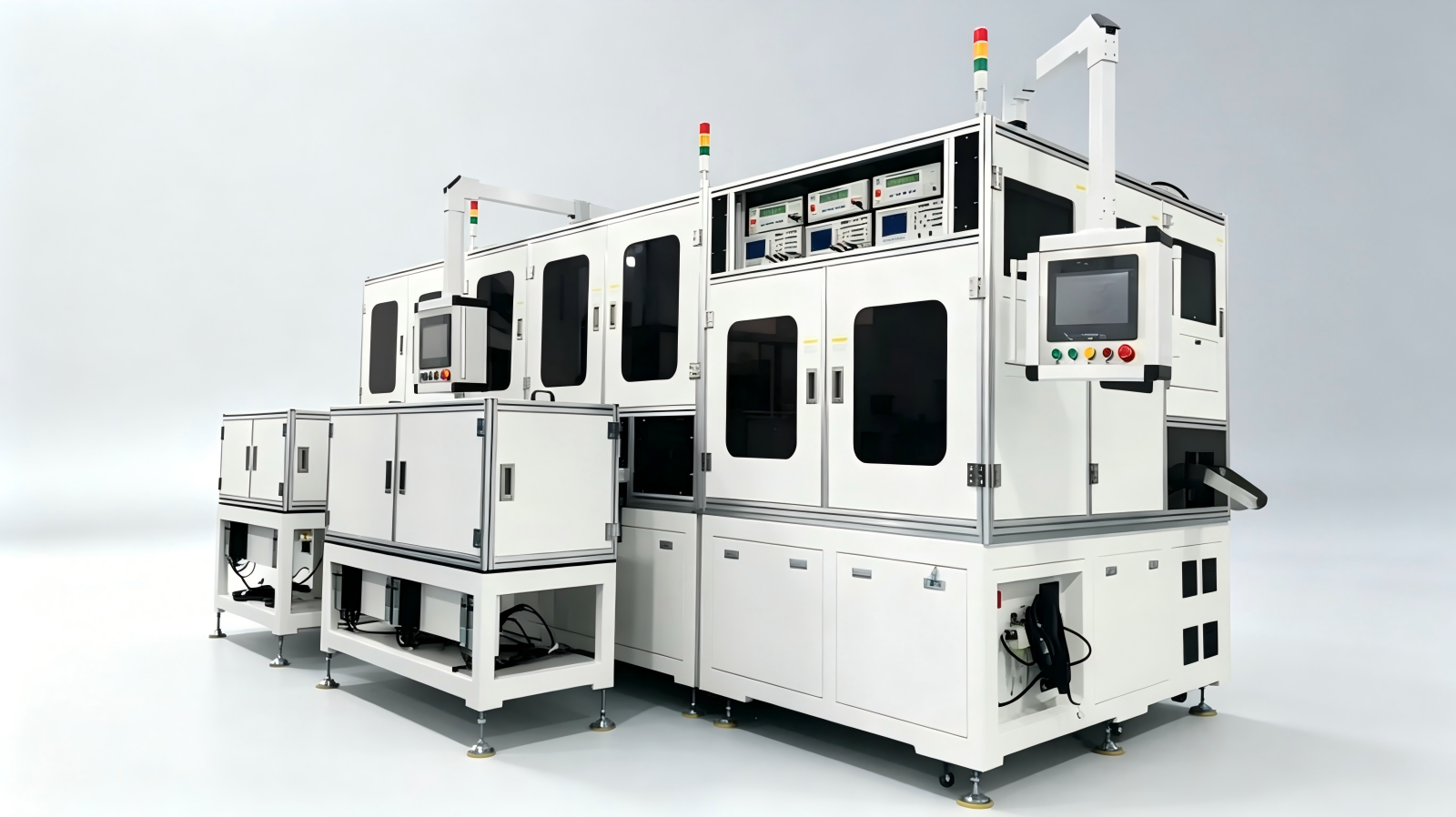
2. CDFP Wire Preparing Automated Line – High-efficiency wire processing line equipped with data acquisition capabilities to ensure accurate and defect-free wire preparation.
3. High Power Hot Bar Soldering Machine – Combines high-power soldering precision with data collection to track temperature, cycle time, and solder joint quality for industrial analysis.
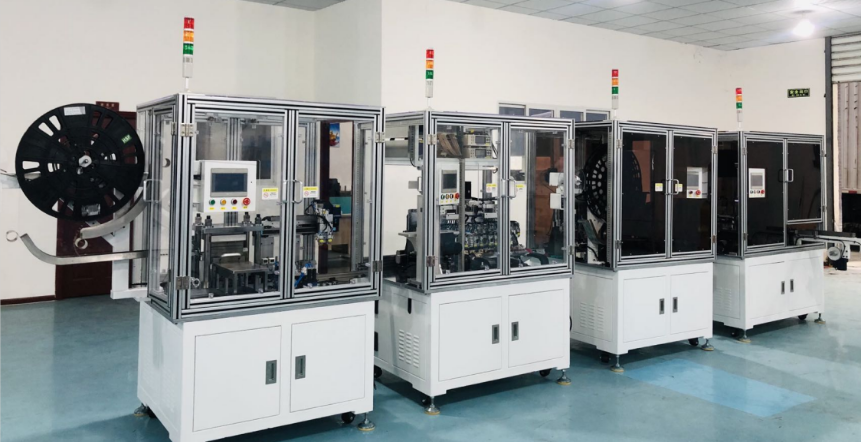
4. B901 Connector Assembly Machine – Automated connector assembly system with integrated data logging and reporting, providing insight into assembly cycles, error rates, and throughput.
Mijoint’s industrial data management solutions are designed with modular scalability, allowing seamless integration with existing assembly lines, wire processing systems, and soldering equipment. By consolidating machine and production data into a centralized platform, factories can implement predictive maintenance, optimize workflow, and enhance product quality, supporting the transition to smart manufacturing and Industry 4.0.
Conclusion
An industrial data management system is essential for modern factories seeking to improve efficiency, quality, and operational reliability. By centralizing data, enabling real-time monitoring, and integrating predictive analytics, these systems provide actionable insights that support smart manufacturing and continuous improvement.
FAQ About Industrial Data Management System
Q1: What is an industrial data management system used for?
An industrial data management system is used to collect, analyze, and manage production data from machines and automated systems, providing insights for quality control and operational efficiency.
Q2: How does an industrial data management system improve factory efficiency?
By providing real-time monitoring, predictive analytics, and centralized data visualization, an industrial data management system helps identify bottlenecks, optimize workflows, and reduce downtime.
Q3: Which industries benefit the most from industrial data management systems?
Industries such as automotive, electronics manufacturing, industrial automation, and consumer goods benefit from enhanced data management and process optimization.
Q4: Can an industrial data management system integrate with other factory systems?
Yes, modern systems integrate with ERP, quality management, and maintenance platforms to provide a cohesive overview and enable automated feedback loops for better decision-making.
Q5: What are the main advantages of implementing an industrial data management system?
Key advantages include improved operational efficiency, consistent product quality, reduced rework and waste, predictive maintenance capabilities, and scalable factory operations.