In today’s fast-evolving manufacturing landscape, speed, precision, and consistency have become essential for staying competitive. Industries such as automotive, data communication, and consumer electronics rely heavily on high-quality cable assemblies that must meet strict performance standards. However, traditional manual cable processing methods often struggle to deliver the required efficiency and consistency, leading to higher labor costs and increased defect rates.
This is where high-speed cable processing equipment becomes a critical solution. By automating key processes such as cutting, stripping, crimping, and preparation, manufacturers can significantly improve productivity while maintaining high precision. Automation eliminates human variability, ensuring that every cable meets exact specifications across large production volumes.
As products become more complex—especially with the rise of high-speed data transmission and compact electronic systems—manual processes are no longer sufficient. High-speed cable processing equipment enables manufacturers to achieve scalable, efficient, and intelligent production, making it a core component of modern cable manufacturing systems.
What is High-speed Cable Processing Equipment?
High-speed cable processing equipment refers to a range of automated systems designed to perform cable preparation tasks quickly, accurately, and consistently. These systems integrate multiple processes—including wire cutting, stripping, terminal processing, and pre-assembly—into a unified workflow that significantly improves production efficiency.
Unlike manual or semi-automated solutions, this equipment operates with high repeatability. Each cable is processed according to predefined parameters, ensuring uniform results across large batches. This is especially important in industries where even small deviations can affect product performance, such as automotive wiring harnesses and high-speed data cables.
Another important advantage is flexibility. Modern high-speed cable processing equipment can handle different cable types, sizes, and materials with minimal changeover time. This allows manufacturers to switch between product variations efficiently while maintaining consistent quality, making the equipment suitable for both mass production and customized manufacturing.
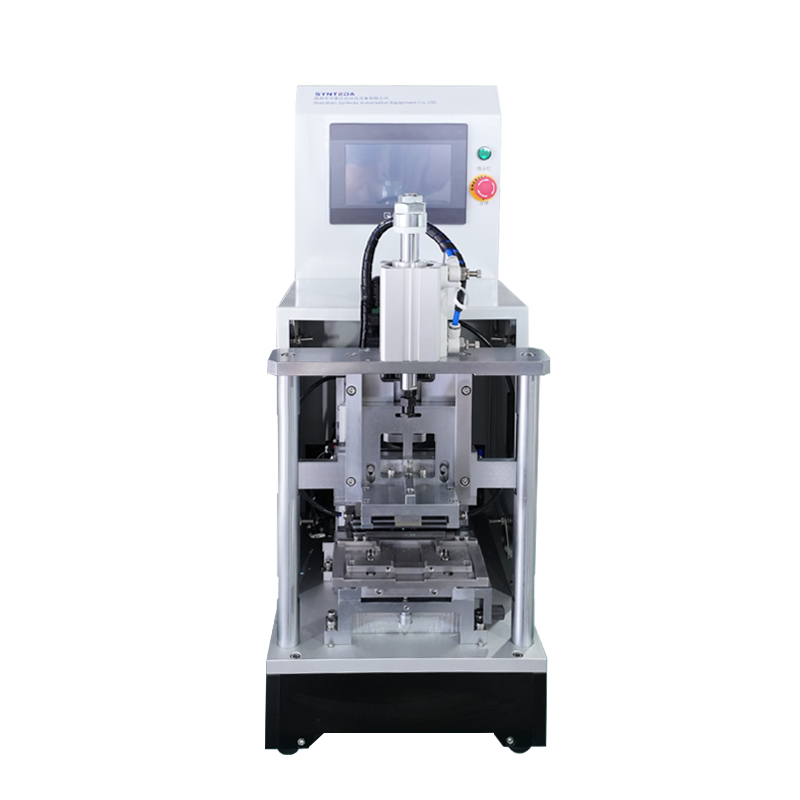
How Does High-speed Cable Processing Equipment Work?
High-speed cable processing equipment operates through a sequence of automated steps that convert raw cable materials into ready-to-use components. The process begins with cable feeding, where precision rollers ensure stable and continuous material delivery from spools into the system.
Once the cable enters the machine, it is measured and cut to the required length using high-precision cutting mechanisms. The next stage involves insulation stripping, where the outer layer is removed without damaging the conductor. Depending on production requirements, additional processes such as terminal preparation or pre-assembly may be performed.
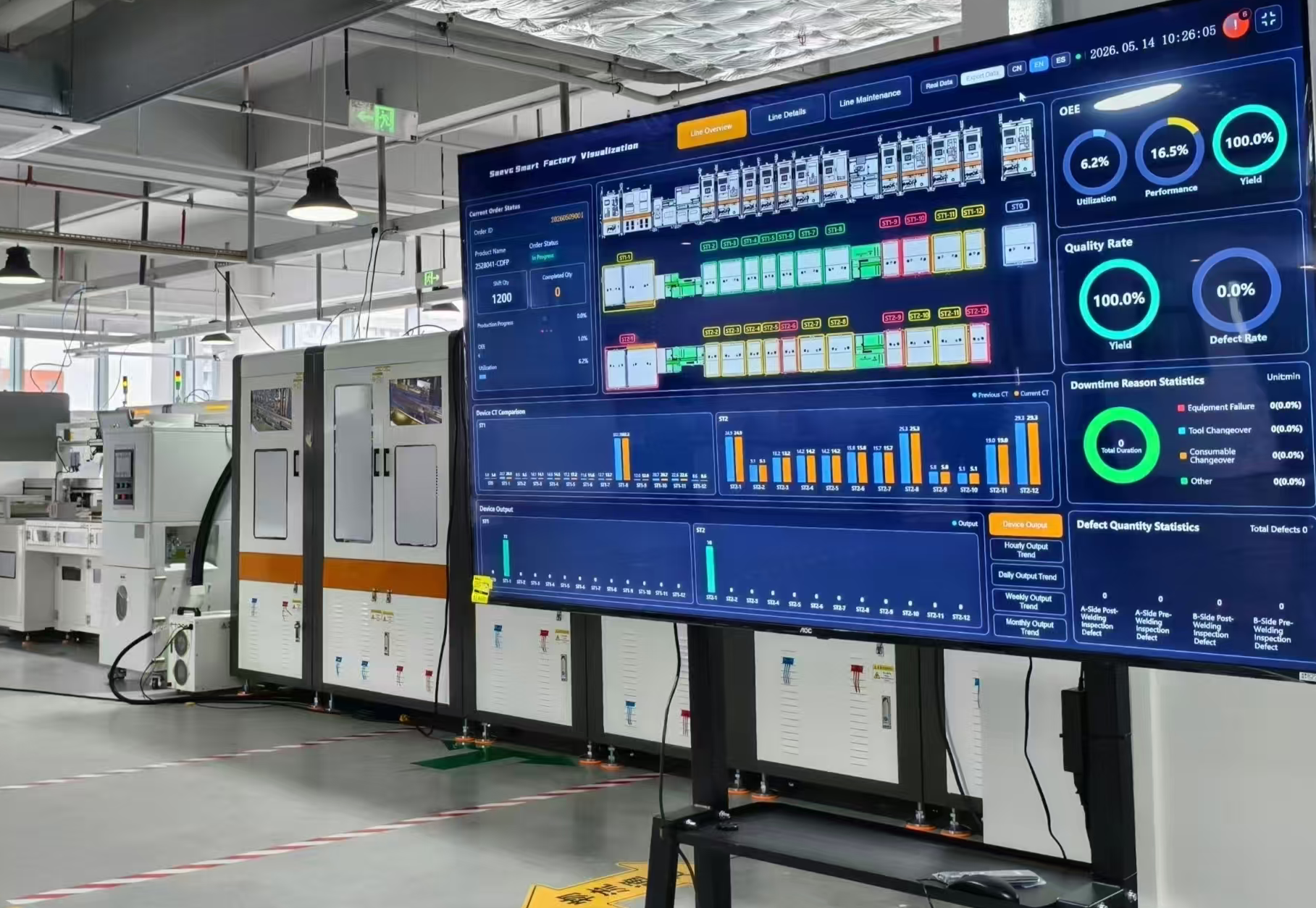
Advanced systems use programmable logic controllers and sensors to monitor every stage in real time. These systems automatically adjust parameters such as cutting length, stripping depth, and processing speed to maintain consistent quality. Error detection functions further enhance reliability by identifying deviations early and preventing defective products from moving forward.
By integrating multiple processes into a single automated workflow, high-speed cable processing equipment reduces manual handling, improves efficiency, and ensures stable production performance.
Key Functions of High-speed Cable Processing Equipment
High-speed cable processing equipment includes several essential functions that directly impact production efficiency and product quality. Each function is designed to ensure precision and repeatability throughout the manufacturing process.
Wire Cutting and Length Control
Accurate wire cutting is fundamental to cable assembly. The system uses advanced measurement and cutting technology to ensure that each cable meets exact length specifications. This precision is critical for downstream processes and helps reduce material waste while improving overall production efficiency.
Insulation Stripping
Insulation stripping must be performed with high precision to avoid damaging the conductor. Automated systems use programmable settings to handle different materials and stripping requirements, ensuring consistent results and reliable electrical performance.
Terminal Preparation and Processing
In many applications, cables require terminal processing before assembly. High-speed cable processing equipment ensures consistent preparation, improving connection reliability and reducing variability in subsequent assembly processes.
Identification and Traceability
Modern systems often include marking or identification functions to improve traceability. This is especially important for industries with strict quality requirements, allowing manufacturers to track products throughout the production lifecycle.
Benefits of Using High-speed Cable Processing Equipment
One of the most significant advantages of high-speed cable processing equipment is increased productivity. Automated systems can process large volumes of cables بسرعة and consistently, significantly reducing production cycles compared to manual operations.
Consistency is another major benefit. By eliminating human variability, the equipment ensures that each cable meets the same quality standards. This is essential for industries where reliability is critical, such as automotive and high-speed data applications.
Cost reduction is also a key factor. Automation reduces labor requirements and minimizes material waste, leading to lower long-term production costs. In addition, improved accuracy reduces the need for rework and scrap, further enhancing efficiency.
Finally, the equipment supports scalability. Manufacturers can easily expand production capacity by upgrading or integrating additional systems, allowing them to respond quickly to market demands.
How to Use High-speed Cable Processing Equipment Effectively
To maximize the value of high-speed cable processing equipment, proper setup and optimization are essential. Manufacturers must configure parameters such as cutting length, stripping depth, and processing speed according to product specifications.
Regular maintenance plays a crucial role in ensuring long-term performance. Cleaning, calibration, and component inspection help prevent unexpected downtime and maintain consistent accuracy. Preventive maintenance strategies can significantly improve equipment reliability.
Operator training is equally important. Even with automated systems, skilled personnel are needed to monitor performance, adjust settings, and troubleshoot issues. Well-trained operators can improve efficiency and reduce production errors.
Integration with other systems is another key factor. Connecting high-speed cable processing equipment with automated assembly lines and data management systems enables a more streamlined and intelligent production process, improving overall operational efficiency.
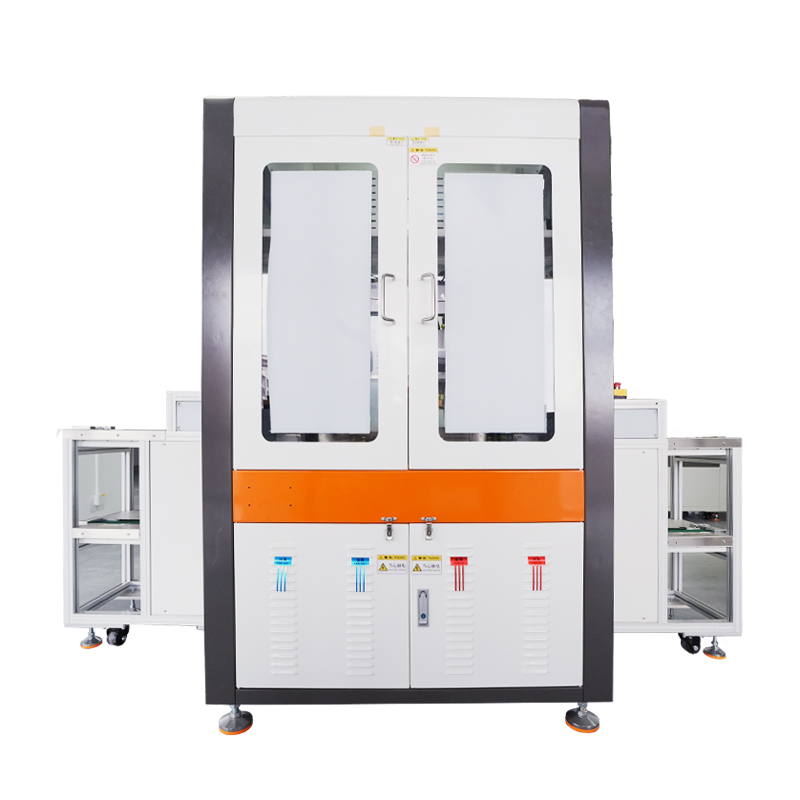
Applications of High-speed Cable Processing Equipment
High-speed cable processing equipment is widely used across multiple industries due to its versatility and efficiency.
In the automotive industry, it is used to prepare wiring harness components that must meet strict safety and performance standards. Precision and consistency are critical in ensuring reliable vehicle operation.
In electronics manufacturing, the equipment supports the production of cables used in devices such as computers, servers, and consumer electronics. Its ability to handle small and complex components makes it ideal for this sector.
In telecommunications, high-speed data cables require precise processing to maintain signal integrity. The equipment ensures consistent quality, supporting reliable data transmission.
In industrial automation, cables are essential for connecting machines and systems. High-speed cable processing equipment enables efficient production of these components, supporting stable system performance.
Mijoint’s High-speed Cable Processing Solutions
Mijoint is a professional automation systems integrator specializing in advanced cable processing and assembly technologies. The company provides high-performance high-speed cable processing equipment solutions tailored to modern manufacturing requirements.
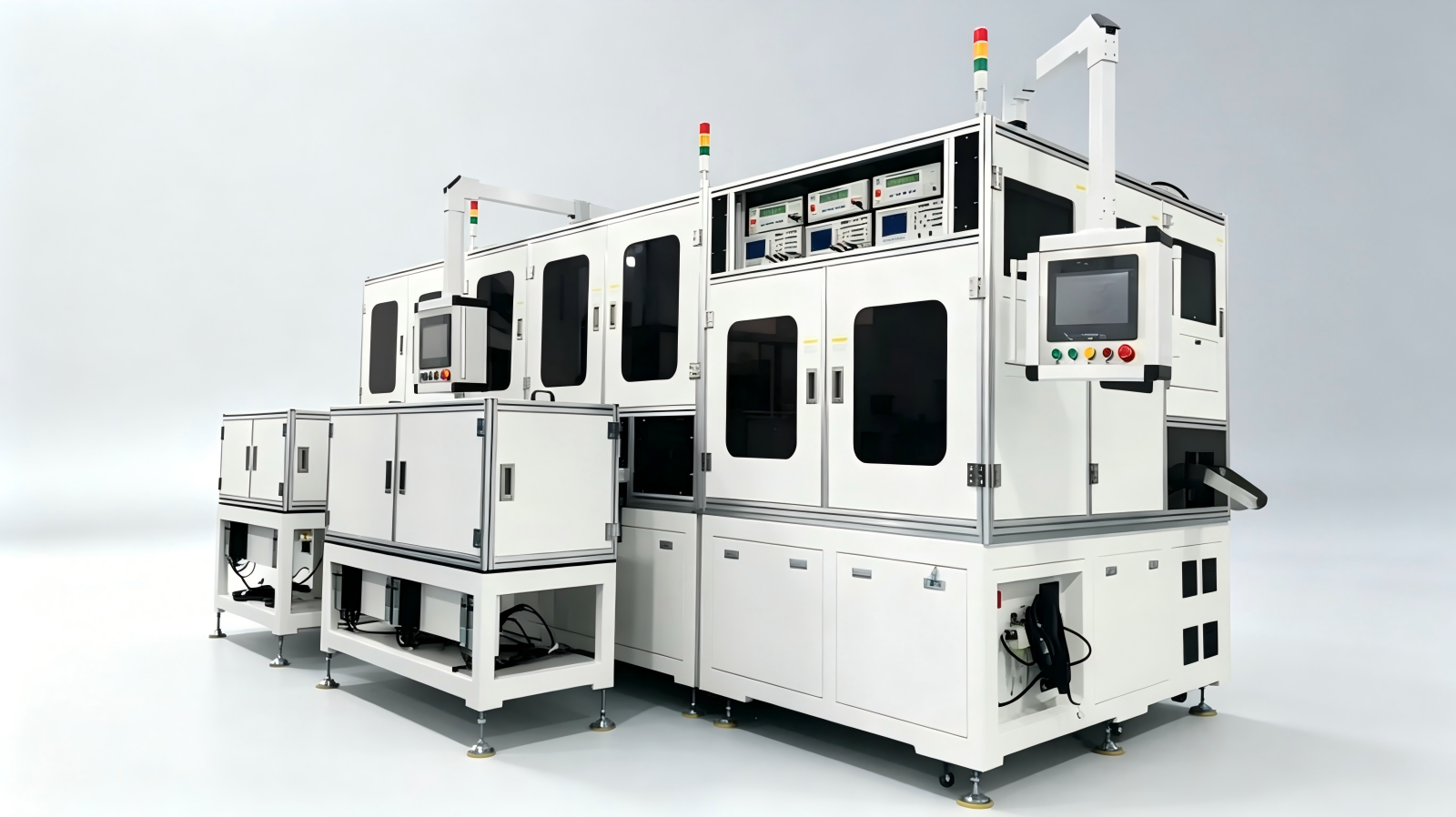
For high-speed data cable applications, the MCIO wire preparing automated line is designed to handle complex cable structures with high precision. It is particularly suitable for data center and high-speed communication cables, helping manufacturers solve challenges such as inconsistent processing accuracy and low efficiency in manual operations.
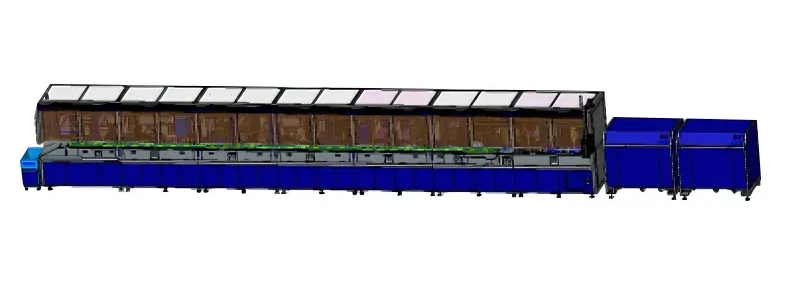
For standardized and stable production, the NS100 automated line provides a reliable solution for large-scale cable preparation. It improves consistency, reduces labor dependency, and ensures stable output quality across high-volume production environments.
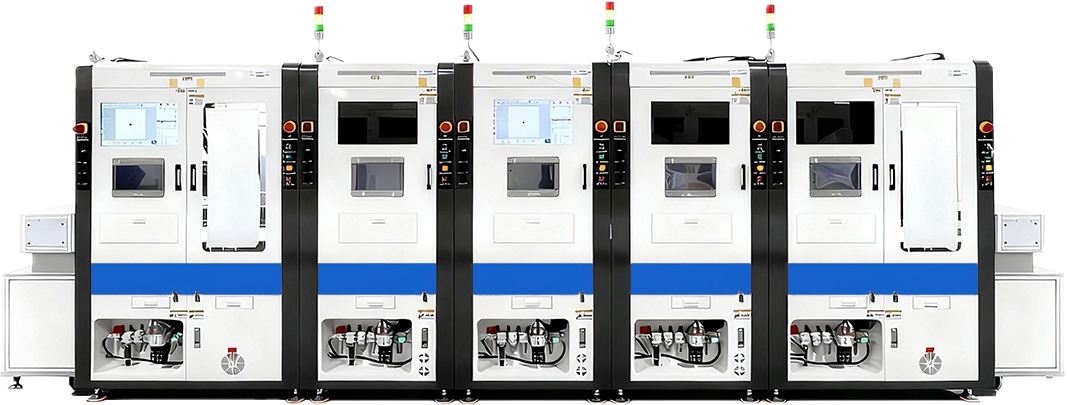
For specialized applications requiring high reliability, the Izumi product automated line offers precise and efficient processing capabilities. It is designed to meet strict production standards, helping manufacturers achieve high-quality results in demanding industrial scenarios.
By integrating advanced cable processing technologies with automated production systems, Mijoint helps customers improve efficiency, reduce costs, and achieve scalable, intelligent manufacturing.
Conclusion
High-speed cable processing equipment is a key solution for modern manufacturing, enabling efficient, precise, and scalable production. By automating critical processes, it helps manufacturers improve quality, reduce costs, and maintain competitiveness in rapidly evolving industries.
As production requirements continue to increase, adopting advanced cable processing solutions will be essential for achieving long-term success and operational excellence.
FAQ About High-speed Cable Processing Equipment
Q1: What is high-speed cable processing equipment used for?
High-speed cable processing equipment is used to automate cable preparation processes such as cutting, stripping, and terminal processing, ensuring high efficiency and consistent quality.
Q2: How does high-speed cable processing equipment improve production efficiency?
High-speed cable processing equipment improves efficiency by integrating multiple processes into a single automated workflow, reducing manual labor and increasing production speed.
Q3: What are the advantages of high-speed cable processing equipment?
High-speed cable processing equipment provides high precision, repeatability, reduced labor costs, and improved production consistency, making it ideal for large-scale manufacturing.
Q4: Can high-speed cable processing equipment handle different cable types?
Yes, high-speed cable processing equipment is designed to handle various cable types, sizes, and materials, offering flexibility for different production needs.
Q5: Which industries use high-speed cable processing equipment the most?
Industries such as automotive, electronics, telecommunications, and industrial automation widely use high-speed cable processing equipment for efficient and reliable cable production.